
Ultrasound, RF or Microwave: How Energy Devices Firm Skin
Device-based lifting works by heating tissue until it rebuilds collagen — but the depth of that heat, and what it can replace, differs by technology.
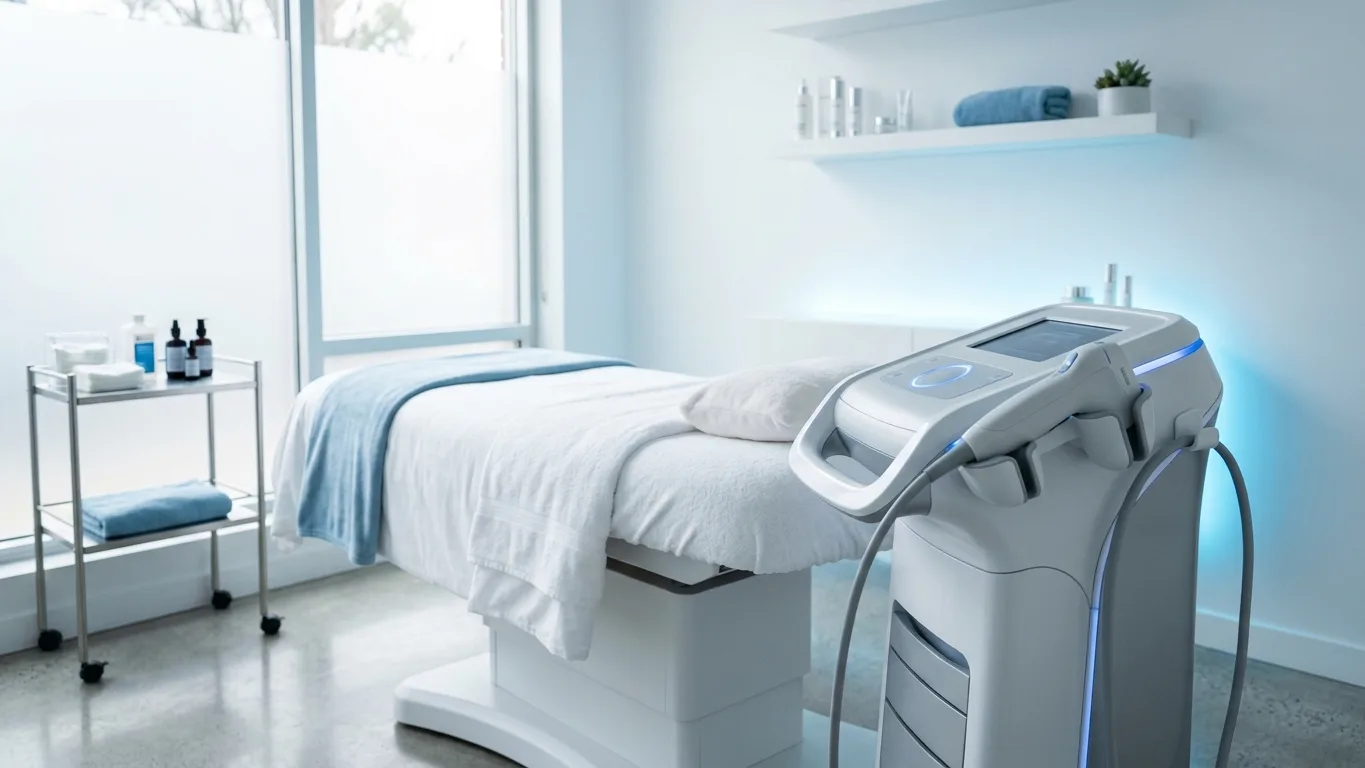
Nonsurgical lifting menus now divide into three main energy types. Focused ultrasound platforms place points of heat deep beneath the skin, radiofrequency devices warm the dermis in broader volumes, and newer microwave-based systems heat the mid-dermis in an even layer.
All three share one mechanism: controlled thermal stimulation that prompts the skin to remodel and produce new collagen over the following months. The differences lie in depth, sensation and which kind of laxity each handles well — and in what none of them can do.
Three energies, three depths
Focused ultrasound — the category Ultherapy popularized — concentrates sound waves into tiny coagulation points at set depths, reaching the fibrous layer that surgical facelifts tighten. Because the energy converges below the surface, the skin itself is largely spared while deeper tissue contracts and collagen remodeling begins.
Radiofrequency lifting works differently: electrical energy heats water-rich dermal tissue in bulk, so the effect concentrates on skin texture and firmness rather than deep repositioning. Microwave devices sit conceptually between the two, delivering fast, uniform heat to the dermis with the aim of shorter treatment times; long-term comparative evidence is still accumulating.
What the heat actually delivers
Results from energy devices arrive on collagen’s schedule, not the machine’s. Some tightening can appear right after treatment as existing fibers contract, but the main change builds gradually over two to three months as new collagen forms, then fades over roughly a year or more as aging resumes. Individual variation is wide — skin thickness, age and baseline laxity all shape the response.
Short downtime is the category’s main appeal: most people return to routine the same day, with a brief recovery period of redness or swelling. Still, side effects are possible — temporary numbness, bruising, uneven contour and, rarely, burns or nerve irritation — which is why operator skill and device authenticity matter as much as the technology name.
What devices cannot replace
Energy-based tightening tones and firms; it does not move tissue. Pronounced jowls, heavy nasolabial folds and loose neck skin involve structures that heat alone cannot reposition, and stacking more sessions does not convert a device result into a surgical one. Marketing that presents any device as a facelift equivalent overstates the mechanism.
The productive question is not which machine wins, but which tissue problem needs solving. A consultation with a board-certified dermatologist or plastic surgeon can locate where a face sits on the spectrum from early laxity to structural sagging — and whether a device, a lift or simply well-timed skincare fits that point.
Before booking a device treatment
- Ask which energy type is proposed — ultrasound, radiofrequency or microwave — and why it fits your skin.
- Confirm the device is a genuine, registered unit and who will operate it.
- Ask when results should appear and how long they are expected to hold for your skin condition.
- Discuss possible side effects such as swelling, numbness or burns, and the aftercare plan.
- Ask candidly whether your degree of sagging is still within device territory.
MediIndex articles are for general information only and are not medical advice, diagnosis, or advertising. Outcomes vary by individual — consult a board-certified specialist for personal decisions.