
Monitoring Body Composition Trends in Medical Weight Management
Two Korean medical outlets, citing InBody’s analysis of GLP-1 weight-loss patients, report that skeletal muscle mass and body fat should be tracked together from the start of treatment.
This article was automatically drafted and passed editorial compliance checks. It synthesizes public source metadata and is not a substitute for individual care or clinical review.
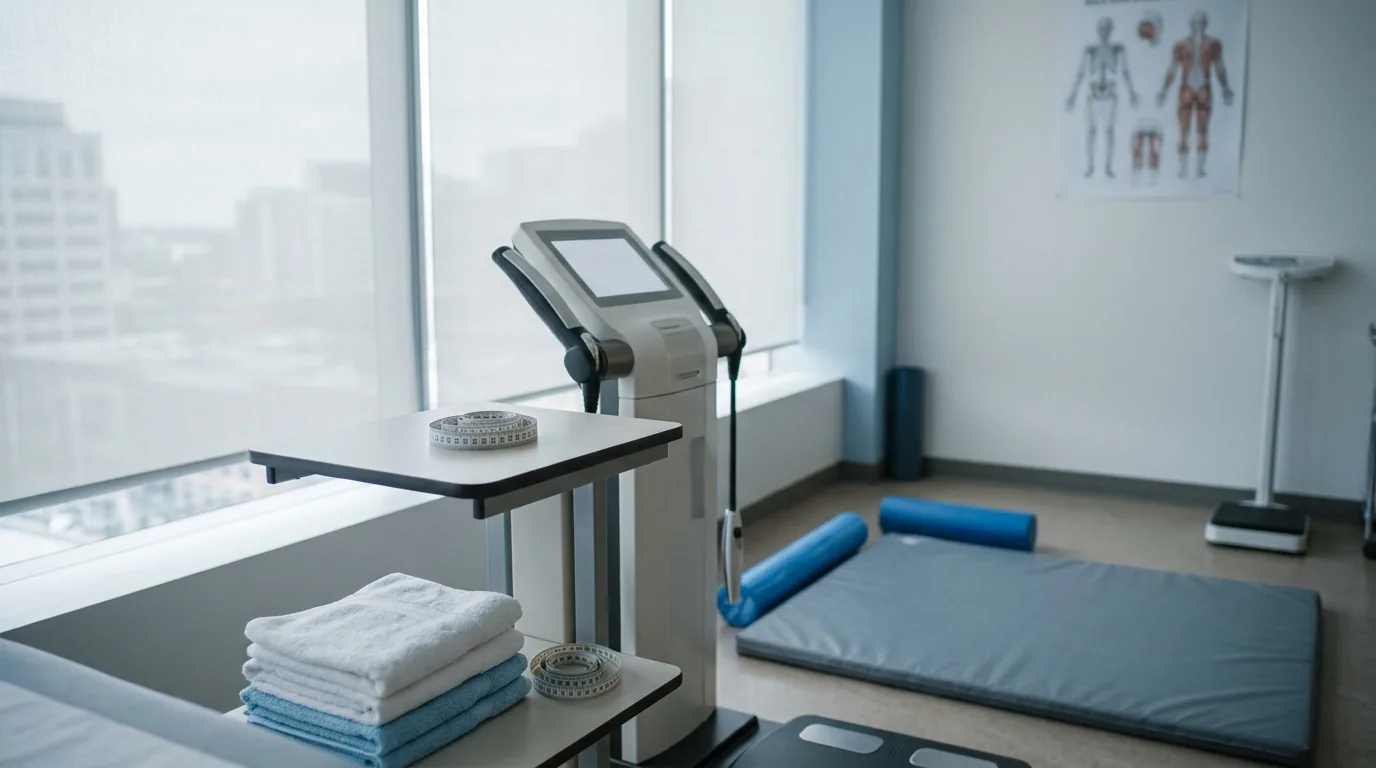
As interest in medical weight management and body contouring continues to rise, clinical focus is shifting toward the quality of weight loss rather than simple reduction on the scale. Recent big data analysis from healthcare technology providers indicates that monitoring body composition, particularly skeletal muscle mass, is becoming a critical component of modern weight management protocols.
This trend reflects a broader movement in aesthetic and medical body contouring where preserving lean muscle tissue is prioritized alongside fat reduction. Understanding these changes early in the treatment process allows practitioners and patients to make informed decisions regarding their overall body management plans.
Big Data Insights on Body Composition Changes
In July 2026, healthcare enterprise InBody released an analysis of 38,331 body composition data points collected from users undergoing GLP-1 receptor agonist obesity treatments. The data, accumulated on cloud servers with user consent, revealed significant changes in both body fat and skeletal muscle mass during the weight loss process.
The findings emphasize that monitoring these body composition metrics from the very beginning of treatment is essential. Because muscle loss can accompany rapid weight reduction, tracking skeletal muscle mass helps ensure that the weight loss is healthy and aligned with aesthetic body contouring goals.
Clinical Limitations and Individual Variations
While big data provides valuable insights into general trends, it cannot predict specific individual variation in muscle retention or fat loss. Factors such as baseline physical fitness, diet, and genetic differences mean that every patient will experience different rates of change, and potential side effects related to rapid weight loss must be carefully managed.
Furthermore, the analyzed data focuses primarily on body composition measurements and does not detail the long-term sustainability of the weight loss or the recovery of muscle mass after treatment ends. Therefore, relying solely on automated data without professional medical oversight may lead to incomplete body management strategies.
The Role of Professional Medical Consultation
To achieve balanced body contouring and weight management, patients should consult a qualified physician before starting any medical weight loss regimen. A professional evaluation helps determine the most appropriate treatment plan tailored to one's unique body composition, minimizing risks while optimizing body shaping outcomes.
During these consultations, discussing how to monitor skeletal muscle mass and manage potential side effects is crucial for a safe recovery and long-term success. Personalized guidance ensures that medical interventions support overall physical health and aesthetic goals safely.
Frequently asked questions
Why is it necessary to monitor body composition when taking GLP-1 obesity treatments?
Rapid weight reduction can accompany skeletal muscle loss along with fat reduction. Closely monitoring body composition metrics from the early stages of treatment helps ensure healthy and aesthetically aligned body contouring while preserving lean muscle tissue. However, individual rates of change may vary based on baseline physical fitness and dietary habits.
Can big data analysis on body composition predict long-term weight maintenance?
No, it cannot. The analyzed big data primarily focuses on body composition measurements and does not detail the long-term sustainability of weight loss or the recovery of muscle mass after treatment ends. Additionally, because it cannot predict specific individual variations caused by genetics or diet, consulting a qualified physician for a personalized plan is recommended.
Why is a medical consultation necessary before starting medical weight loss?
A professional consultation helps determine an appropriate treatment plan tailored to an individual's unique body composition, minimizing potential side effects and risks associated with rapid weight loss. Personalized guidance from a physician supports safe recovery and long-term body management success.
Questions to Ask Your Clinician About Body Composition and Weight Loss
- How will my skeletal muscle mass and body fat be monitored during my body contouring or weight loss treatment?
- What strategies can we implement to minimize muscle loss while targeting fat reduction?
- Are there any potential side effects associated with rapid changes in body composition that I should watch out for?
- How does my individual variation in metabolism affect the expected recovery and overall timeline of the treatment?
MediIndex articles are for general information only and are not medical advice, diagnosis, or advertising. Outcomes vary by individual — consult a board-certified specialist for personal decisions.