Obesity Screening Leaves Students Without Follow-Up Care
Korea’s school health screening system identifies students at risk and informs families, but its connection to continuing medical care remains weak.
This article was automatically drafted and passed editorial compliance checks. It synthesizes public source metadata and is not a substitute for individual care or clinical review.
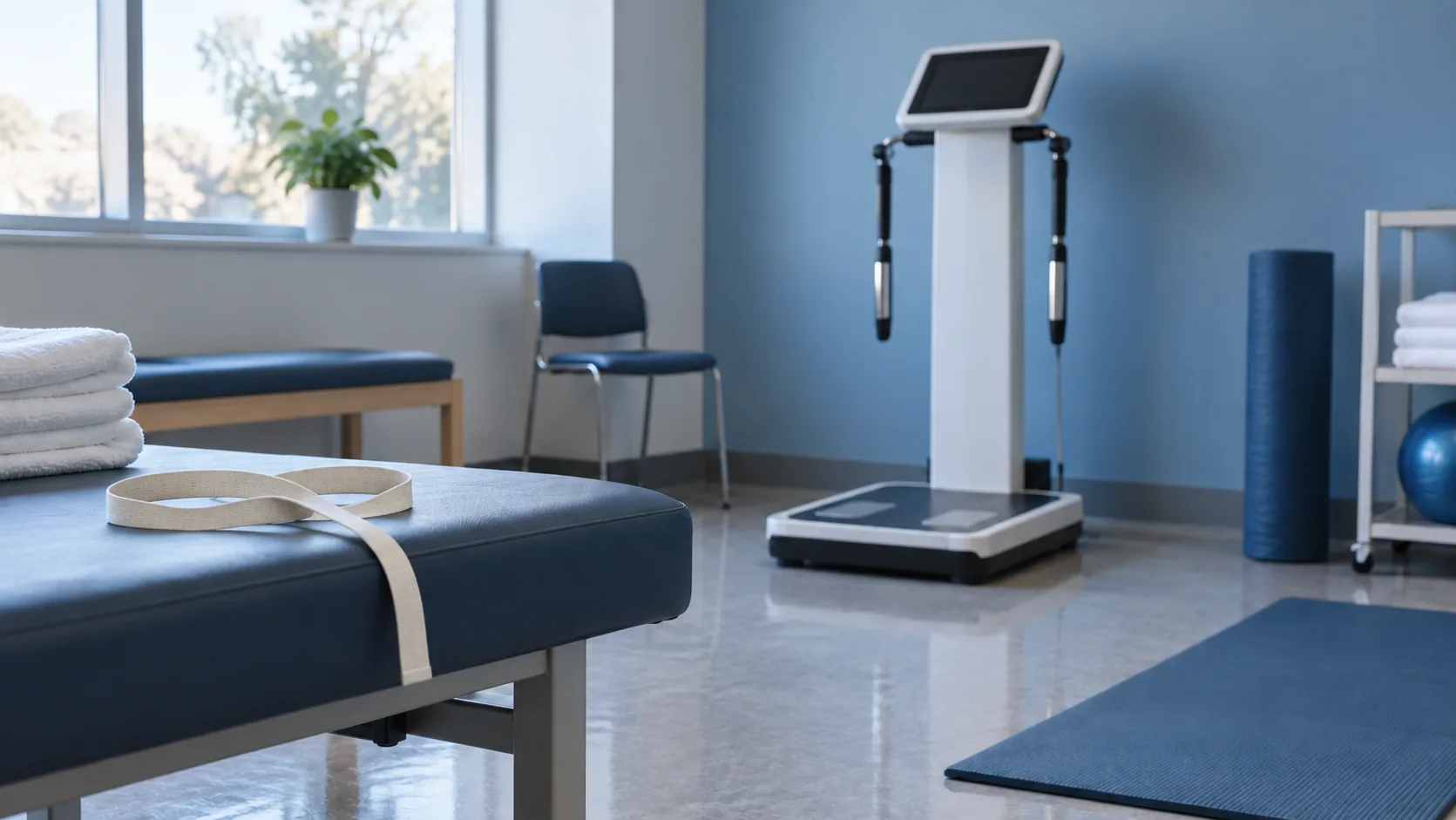
Korea’s school health screening system can detect obesity or metabolic abnormalities in children and adolescents, but it lacks a strong mechanism for tracking whether those students visit a medical institution, receive appropriate care or experience changes in health.
Detection Does Not Complete Care
The screening system already identifies students at risk and sends results to their families. The remaining gap lies between that notification and continuing clinical assessment or treatment.
Care for childhood and adolescent obesity must account for growth, puberty, psychological health, and home and school environments. These interacting factors make repeated assessment and management more relevant than a single screening or counseling session.
Student Screening Is Set to Change
From March 2027, the Ministry of Education-led student health screening system is set to shift to a model commissioned to the National Health Insurance Service. Students and parents will be able to choose a screening institution and receive screening at a preferred time.
The practical test for the revised system will be whether screening results lead to ongoing care for students identified with obesity or metabolic abnormalities.
MediIndex articles are for general information only and are not medical advice, diagnosis, or advertising. Outcomes vary by individual — consult a board-certified specialist for personal decisions.