Recent Research and Clinical Discussions on Obesity, Gut Microbiota, and Nutritional Therapy
This briefing outlines recent findings on Korean gut microbiota diversity, clinical discussions on nutritional therapy for body fat reduction, and the biological mechanisms of skin hives, though it cannot establish direct outcomes for specific body contouring procedures.
This article was automatically drafted and passed editorial compliance checks. It synthesizes public source metadata and is not a substitute for individual care or clinical review.
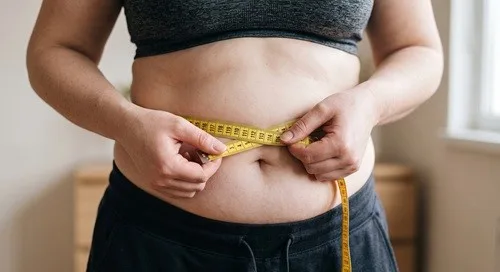
Recent medical coverage highlights a multi-faceted approach to body management, linking systemic biological factors to weight control and overall health. Studies and clinical gatherings in mid-2026 have focused on the relationship between gut microbiota and obesity, as well as the integration of nutritional therapies in clinical obesity treatment. These developments suggest that modern body contouring and weight management strategies are increasingly looking at internal physiological environments alongside external procedures.
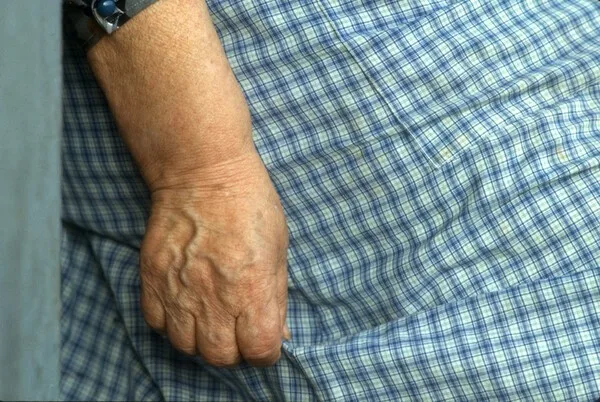
Additionally, public health discussions emphasize how cellular responses, such as the activation of mast cells in the skin, can trigger symptoms like hives, which are sometimes discussed alongside broader metabolic and physical conditions. Understanding these diverse physiological connections is essential for patients considering body contouring or weight management programs, as individual health profiles significantly influence treatment pathways.
Summary of Recent Research and Clinical Discussions
A study published in the January 2026 issue of Frontiers in Microbiology analyzed the gut microbiota of 3,450 Koreans and revealed that 60% of the participants possessed only zero to two types of the 19 lactic acid bacteria recognized by the Ministry of Food and Drug Safety. The researchers observed a trend where individuals with higher levels of obesity tended to have fewer beneficial gut bacteria, highlighting the potential role of personalized gut microbiome management in weight control.
In parallel, clinical experts gathered in late July 2026 for a symposium hosted by GC Green Cross Wellbeing to discuss the optimal application of nutritional therapy in actual obesity treatment. Led by the Korean Association for the Study of Obesity, the discussion focused on sharing clinical experiences and practical case studies to meet the essential conditions for effective body fat reduction through tailored nutritional support.
Limitations of Current Evidence and Context
While these studies and symposia provide valuable insights into the biological aspects of weight management, they do not establish a direct, universal link to the outcomes of specific body contouring surgeries or non-invasive procedures. The relationship between gut microbiota and obesity suggests a correlation rather than a direct causal mechanism, and individual variation plays a significant role in how a person responds to both nutritional therapy and body shaping treatments.
Furthermore, physiological reactions such as hives, which stem from the activation of mast cells releasing histamine, remind patients that the body's immune and inflammatory systems are highly sensitive. Any medical intervention, including body contouring, carries potential side effects and requires a carefully planned recovery period, making it vital to assess overall health rather than focusing solely on aesthetic changes.
Guidelines for Patient Consultation
Before undergoing any body contouring procedure or starting a medical weight loss regimen, patients must consult with a qualified clinician to evaluate their unique health profile. Discussing one's metabolic health, dietary habits, and even gut health indicators can help design a safer and more comprehensive treatment plan that aligns with realistic expectations.
A thorough consultation should address potential risks, the expected recovery timeline, and how complementary approaches like nutritional therapy might support overall well-being. By understanding that body management is an integrative process, patients can make informed decisions that prioritize long-term health and minimize complications.
Frequently asked questions
Does having fewer types of gut bacteria make it harder to lose weight?
A study of 3,450 Koreans published in January 2026 showed a trend where individuals with higher levels of obesity had fewer beneficial gut bacteria. However, this research shows a correlation rather than a direct cause, and individual weight loss results depend on multiple metabolic factors.
What role does nutritional therapy play in clinical obesity treatments?
According to clinical discussions in July 2026, nutritional therapy is utilized to meet the essential conditions for effective body fat reduction. It is applied based on individual clinical experiences to support healthy weight management, though specific outcomes vary by patient.
Can skin hives be related to obesity or fat cells?
Hives are triggered when mast cells (often called 'obesity cells' in Korean) in the skin and mucous membranes are activated and release inflammatory substances like histamine. While the term 'mast cell' shares a name with obesity in Korean, hives are primarily an inflammatory skin reaction rather than a direct result of body fat.
Questions to Ask Your Clinician Before Body Contouring or Weight Management
- How does my current metabolic and nutritional status affect my suitability for body contouring procedures?
- Are there any specific dietary or nutritional therapies recommended to support my recovery and overall health?
- What are the potential side effects of this procedure, and how do individual variations affect the outcome?
- How should I monitor my body's inflammatory or allergic responses, such as skin reactions, during the recovery phase?
MediIndex articles are for general information only and are not medical advice, diagnosis, or advertising. Outcomes vary by individual — consult a board-certified specialist for personal decisions.