Summer Facial Nerve Paralysis Risks and Neurological Treatment Market Changes
This briefing outlines recent reports on summer-induced peripheral facial nerve paralysis and the expanding market for brivaracetam generics, though it cannot establish direct clinical links between these specific developments.
This article was automatically drafted and passed editorial compliance checks. It synthesizes public source metadata and is not a substitute for individual care or clinical review.
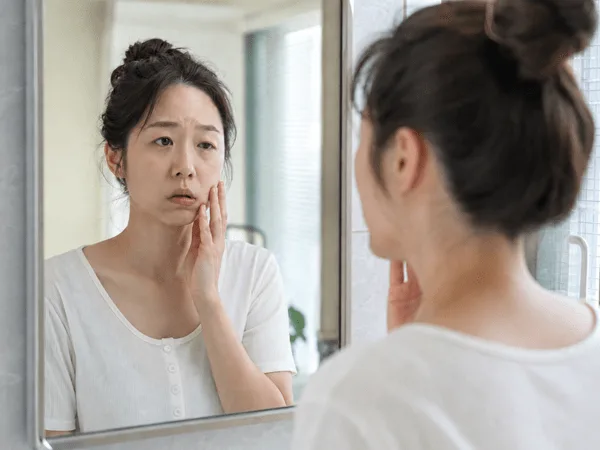
Recent medical news highlights critical developments in facial and neurological health, focusing on seasonal risks and pharmaceutical access. Reports indicate that sudden facial changes, such as a drooping mouth or difficulty closing an eye, are frequently linked to peripheral facial nerve paralysis rather than stroke, particularly during the summer months when air conditioning use rises.
Concurrently, the neurological treatment landscape is shifting with the introduction of health insurance coverage for brivaracetam generics. This regulatory change has intensified competition among domestic pharmaceutical companies, expanding treatment options for central nervous system disorders that can influence overall neurological and motor functions.
Summary of Recent Developments
According to recent reports, peripheral facial nerve paralysis often occurs when the immune system is temporarily weakened by low body temperature, overwork, or stress, allowing viruses to activate and cause inflammation in the facial nerve. While commonly associated with winter, sleeping with an air conditioner on during the summer can also trigger this condition.
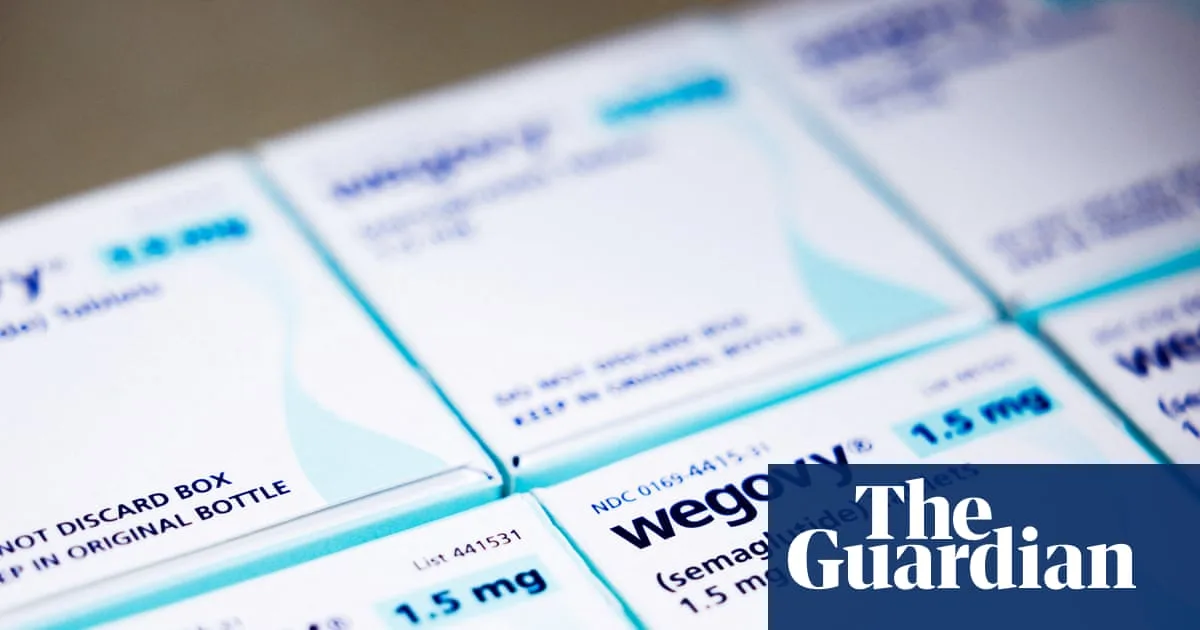
In the pharmaceutical sector, the market for the epilepsy treatment brivaracetam has expanded following its first month of health insurance coverage. Market data from July 2026 shows domestic generics competing closely, with Myungin Pharmaceutical's 'Buripharm' securing a 31.7% market share, followed by Chong Kun Dang's 'Briveta' at 25.7%.
Limits of the Coverage and Clinical Context
While these reports highlight important aspects of facial nerve and central nervous system health, they do not address how these conditions directly impact aesthetic facial procedures. Patients must recognize that individual variation plays a significant role in how nerve issues manifest and how they might affect subsequent facial treatments.
Additionally, the source materials do not provide details on potential side effects or the specific recovery timelines associated with facial nerve paralysis or epilepsy medications. Anyone experiencing sudden facial asymmetry or undergoing neurological treatment must consult a qualified physician to evaluate their specific health status before planning any cosmetic or reconstructive interventions.
Guidance for Patient Consultations
For individuals considering facial procedures, understanding underlying nerve health is essential. If you have a history of facial nerve paralysis or are taking central nervous system medications like brivaracetam, sharing this information during your medical consultation is critical to ensuring a safe treatment plan.
Medical professionals can help assess whether seasonal factors, stress levels, or current medications might influence your recovery process. Discussing potential side effects and establishing realistic expectations based on your unique physiological profile will help mitigate risks and support optimal outcomes.
Frequently asked questions
Can sleeping with the air conditioner on in summer cause my mouth to droop?
Yes, sleeping in cold air can lower body temperature, which, combined with fatigue or stress, may temporarily weaken the immune system. This can activate viruses in the facial nerve, leading to peripheral facial nerve paralysis.
Has the epilepsy medication brivaracetam become more affordable recently?
Yes, brivaracetam has recently received health insurance coverage, which has expanded the market and increased the availability of domestic generic options. However, specific costs and coverage details may vary depending on individual medical prescriptions.
Facial and Neurological Health Consultation Checklist
- Does my history of summer facial nerve paralysis affect my eligibility for facial procedures?
- Are there any potential side effects when undergoing facial treatments while taking central nervous system medications?
- How might my current neurological health status influence my recovery timeline after a procedure?
- What precautions should I take if I experience temporary facial muscle weakness due to stress or cold exposure?
MediIndex articles are for general information only and are not medical advice, diagnosis, or advertising. Outcomes vary by individual — consult a board-certified specialist for personal decisions.