Hugel Revenue Hits Record High on Overseas Botulinum Sales
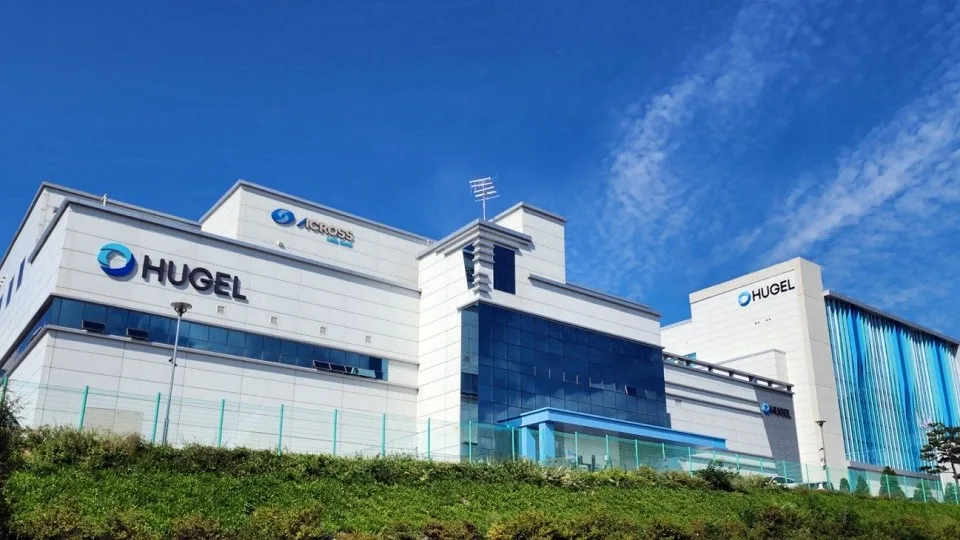
Hugel posted a record first half in 2026 on revenue of KRW 254.5 billion, with overseas sales of KRW 162.1 billion making up about 64% of the total.
This article was automatically drafted and passed editorial compliance checks. It synthesizes public source metadata and is not a substitute for individual care or clinical review.
The global botulinum toxin market continues to evolve, driven by expanding international sales and ongoing research into new formulations. Recent financial disclosures from major industry players highlight a significant increase in overseas exports, reflecting a growing global demand for aesthetic and therapeutic treatments.
While corporate growth and pipeline developments such as new toxin types indicate a dynamic industry, patients considering these treatments must focus on clinical realities. Understanding that corporate performance does not translate directly to individual clinical outcomes is essential when planning any aesthetic procedure.
Industry Financial Performance and Global Expansion
According to recent financial reports from the first half of 2026, Hugel recorded a historic high revenue of 254.5 billion KRW, with a net profit of 85.3 billion KRW. This growth was largely driven by overseas sales of botulinum toxin, fillers, and skin boosters, which reached 162.1 billion KRW, accounting for approximately 64% of the total revenue.
Alongside financial growth, the company is actively expanding its research and development pipeline, including the development of HG105 and the E-type toxin HG401. Furthermore, the company is strengthening its mid-to-long-term growth foundation by initiating direct sales operations in the United States market.
Clinical Considerations and Limitations of Market Data
While market reports highlight robust corporate growth and pipeline expansion, these financial metrics do not determine specific clinical outcomes for patients. Every botulinum toxin procedure involves potential side effects and requires a careful recovery period, which must be discussed with a qualified professional. The efficacy and duration of treatments are subject to significant individual variation depending on physiological factors.
Additionally, newly researched formulations such as HG105 or E-type toxin HG401 are still undergoing development, meaning their clinical safety and efficacy profiles are not yet fully established for general use. Patients should consult a specialist to understand the differences between currently available products and how they align with their specific anatomical needs.
Navigating Treatment Decisions Through Consultation
Making an informed decision about botulinum toxin treatments requires looking beyond market trends and focusing on personalized medical advice. A detailed consultation with a qualified clinician is essential to evaluate whether a specific toxin formulation is appropriate for your aesthetic goals and health history. This process helps minimize side effects and aligns expectations regarding the recovery timeline.
Patients should also inquire about the specific product being used, its manufacturing origin, and any clinical data regarding its longevity and safety. Understanding that individual variation plays a major role in how one responds to botulinum toxin will help ensure a safer and more satisfactory clinical experience.
Frequently asked questions
What new botulinum toxin products is Hugel currently developing?
According to recent industry reports, Hugel is currently developing HG105 and an E-type botulinum toxin named HG401. However, these formulations are still in the research and development phase, and their clinical safety and efficacy for general patient use have not yet been fully established.
How much of Hugel's revenue comes from international sales?
In the first half of 2026, Hugel's overseas sales of botulinum toxin, fillers, and skin boosters reached 162.1 billion KRW. This international revenue accounted for approximately 64% of the company's total H1 revenue of 254.5 billion KRW.
Questions to Ask Your Clinician Before Botulinum Toxin Treatment
- What specific botulinum toxin product will be used for my procedure, and what is its clinical track record?
- What are the potential side effects associated with this treatment, and how can they be managed?
- How long is the expected recovery period, and what post-treatment care is required?
- How might individual variation affect the onset and duration of the treatment results?
- Are there any newly developed or alternative formulations that would better suit my anatomical needs?
MediIndex articles are for general information only and are not medical advice, diagnosis, or advertising. Outcomes vary by individual — consult a board-certified specialist for personal decisions.