Rising Foreign Demand for Dermatology and Disputes Over Oriental Medicine Skin Treatments
This briefing outlines the growing share of dermatology in medical tourism and the expansion of oriental medicine skin services, though the source coverage cannot establish the clinical efficacy of specific procedures or resolve the ongoing legal disputes over laser device usage.
This article was automatically drafted and passed editorial compliance checks. It synthesizes public source metadata and is not a substitute for individual care or clinical review.
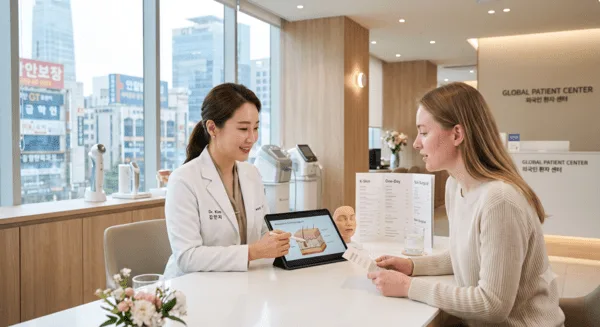
The landscape of skin care services in South Korea is undergoing significant shifts, driven by a surge in international medical tourists and the expansion of treatment facilities. According to recent statistics, dermatology has become a primary driver of medical tourism, drawing a substantial majority of foreign patients who seek non-surgical, single-day procedures. At the same time, traditional oriental medicine hospitals are actively upgrading their infrastructure to accommodate the growing demand for skin-related consultations and care.
However, this rapid expansion has also intensified professional disputes regarding the scope of practice for skin treatments. While some institutions are expanding their physical spaces to offer more comfortable environments, medical associations are locked in debate over who is legally and professionally qualified to operate advanced skin care devices. Patients navigating these options must carefully weigh the qualifications of providers and the nature of the treatments offered.
Growing International Demand and Expanding Infrastructure
Recent reports highlight that dermatology has surpassed other specialties in attracting foreign patients to South Korea. In 2025, out of 2.01 million foreign patients, approximately 1.31 million (62.9%) visited dermatology clinics, significantly outperforming plastic surgery, which accounted for 11.2%. This trend is largely driven by the popularity of non-surgical, single-day programs that allow international visitors to receive care without the burden of prolonged recovery or visible scarring, enabling them to resume tourism activities immediately.
In response to the diversifying demand for skin care, traditional medicine facilities are also upgrading their services. For instance, Han-ga-on Oriental Medicine Hospital's Namyangju branch recently completed a major renovation of its skin center, reopening the expanded facility on July 21, 2026. The renovation focused on improving patient flow, expanding consultation and treatment spaces, and upgrading amenities like waiting areas and powder rooms to ensure a more comfortable environment for visitors.
Professional Disputes and Safety Considerations
Despite the growth in skin care services, a sharp conflict has emerged regarding the legal boundaries of medical devices used in these treatments. The Korean Medicine Association has claimed that oriental medical doctors are justified in using laser medical devices, citing government interpretations and police non-indictment decisions. However, the Korean Hospital Association strongly refuted this, stating that such claims are arbitrary interpretations of judicial rulings and do not mean that the safety and professional expertise of these practitioners have been officially verified for laser use.
This ongoing dispute underscores the importance of understanding that different types of practitioners operate under distinct licensing systems. While non-invasive procedures are often marketed as simple, they still carry risks of side effects depending on the technology used and individual variation. Patients must recognize that a quick recovery is not certain for every individual, and they should carefully verify the qualifications of the provider before undergoing any device-based treatment.
Guidance for Patient Consultations
When considering any skin treatment, patients should prioritize a detailed consult with a qualified professional to discuss their specific skin type and medical history. It is essential to ask about the specific qualifications of the practitioner performing the procedure, especially when device-based treatments like lasers are involved. Understanding the distinction between medical and traditional oriental medicine approaches can help patients make informed decisions aligned with their health goals.
Additionally, patients must inquire about the potential side effects and the expected recovery timeline associated with the proposed treatment. Because individual variation plays a significant role in how skin responds to energy-based devices or topical applications, a personalized assessment is crucial. Patients should avoid assuming that any procedure is entirely risk-free and should ensure they receive clear instructions on post-treatment care.
Frequently asked questions
What percentage of foreign medical tourists in Korea visit dermatology clinics?
According to 2025 government data, approximately 62.9% (1.31 million) of the 2.01 million foreign patients visited dermatology clinics. This significantly exceeded the 11.2% who visited plastic surgery clinics.
Is it legally permitted for oriental medicine doctors to use laser medical devices?
The Korean Medicine Association claims it is justified based on police non-indictment decisions, but the Korean Hospital Association strongly objects, arguing that these decisions do not officially verify the safety or professional expertise of oriental medicine doctors using such devices.
Questions to Ask Your Clinician Before a Skin Treatment
- What specific license and professional qualifications do you hold for operating this skin treatment device?
- What are the potential side effects of this procedure, and how do you manage them if they occur?
- How does individual variation in skin type affect the expected outcome and recovery time?
- Is this treatment classified as a medical procedure or a traditional oriental medicine therapy, and what are the differences?
MediIndex articles are for general information only and are not medical advice, diagnosis, or advertising. Outcomes vary by individual — consult a board-certified specialist for personal decisions.