
Global Growth of GLP-1 Receptor Agonists and Their Potential Impact on Bone Health
While recent reports highlight the rapid market expansion of GLP-1 receptor agonists and a potential link to reduced fracture risks in diabetic patients, this coverage cannot establish long-term safety profiles or direct outcomes for cosmetic body contouring.
This article was automatically drafted and passed editorial compliance checks. It synthesizes public source metadata and is not a substitute for individual care or clinical review.
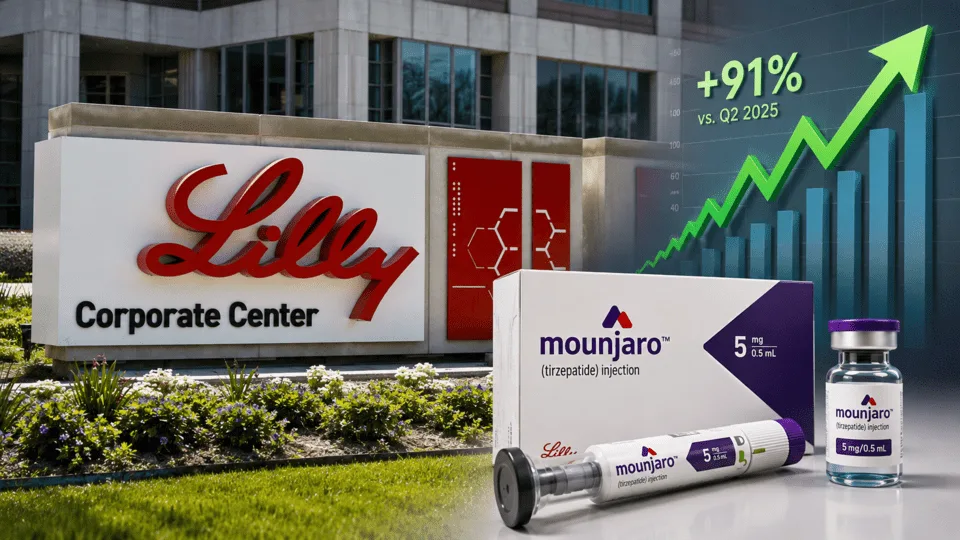
The global landscape of weight management and metabolic health is shifting rapidly with the rise of glucagon-like peptide-1 (GLP-1) receptor agonists. Recent financial reports indicate a massive surge in the adoption of these treatments, driven by major pharmaceutical developments in the obesity and diabetes care sectors.
Alongside market growth, clinical researchers are investigating the broader physiological impacts of these medications. Emerging studies suggest that beyond weight reduction, certain GLP-1 therapies may influence other health markers, such as bone density and fracture risks in specific patient populations.
Rapid Market Expansion and New Clinical Findings
According to recent financial data from the second quarter of 2026, Eli Lilly has experienced a significant increase in revenue, driven by the high growth of its GLP-1 therapies, Mounjaro and Zepbound. The company reported a 48% year-over-year revenue increase to $22.97 billion, exceeding market expectations and widening its lead in the global obesity and diabetes treatment market.
Concurrently, a study published in JAMA Network Open by UCLA Health researchers suggests that GLP-1 receptor agonists like Wegovy may lower the risk of vulnerability fractures in patients with type 2 diabetes. This is particularly notable because individuals with type 2 diabetes and obesity typically face a higher risk of fractures due to decreased bone density, even when undergoing weight loss.
Understanding the Limitations and Patient Variations
While these developments highlight the expanding role of medical weight management, it is crucial to recognize that clinical trial results and market statistics do not assure identical outcomes for every individual. Factors such as individual variation in metabolism, pre-existing health conditions, and lifestyle choices play a significant role in how a patient responds to these therapies.
Furthermore, medical weight loss treatments are distinct from surgical body contouring procedures, and their integration requires careful medical supervision. Patients must be aware of potential side effects, including gastrointestinal issues or changes in bone health, and understand that long-term recovery and maintenance depend heavily on personalized clinical guidance.
Navigating Treatment Options Safely
For individuals considering body contouring or medical weight management, it is essential to consult a qualified physician. Discussing one's complete medical history, including any history of bone density issues or metabolic disorders, helps determine the most appropriate and safest path forward.
Ultimately, achieving desired body shape goals safely requires balancing medical interventions with realistic expectations. A qualified clinician can help design a tailored plan that addresses both aesthetic desires and systemic health, ensuring that any chosen therapy supports overall well-being during the recovery process.
Frequently asked questions
Can GLP-1 weight loss drugs like Wegovy help reduce the risk of bone fractures?
According to a study by UCLA Health published in JAMA Network Open, GLP-1 receptor agonists may lower the risk of vulnerability fractures in patients with type 2 diabetes. However, these findings are specific to diabetic populations, and individual variation means results cannot be assured for everyone.
How much did Eli Lilly's revenue grow due to its obesity treatments in 2026?
In the second quarter of 2026, Eli Lilly reported a 48% year-over-year revenue increase to $22.97 billion, driven by the high growth of its GLP-1 therapies, Mounjaro and Zepbound. This performance exceeded market expectations, though individual patient outcomes with these medications will vary.
Questions to Ask Your Clinician
- Are GLP-1 receptor agonists suitable for my specific body contouring and weight management goals?
- How might medical weight loss treatments affect my bone density or overall joint health?
- What are the potential side effects of these medications, and how are they managed?
- How does the recovery and maintenance process differ between medical weight loss and surgical body contouring?
MediIndex articles are for general information only and are not medical advice, diagnosis, or advertising. Outcomes vary by individual — consult a board-certified specialist for personal decisions.