Global Pharmaceutical Investments in Obesity Treatments and Patient Preferences for Injectable Therapies
While recent pharmaceutical reports highlight increased R&D investment in obesity pipelines and a strong patient preference for injectable treatments over oral alternatives, this coverage cannot establish the long-term clinical efficacy or safety profiles of these emerging therapies.
This article was automatically drafted and passed editorial compliance checks. It synthesizes public source metadata and is not a substitute for individual care or clinical review.

The global landscape of weight management and body contouring is undergoing a significant shift, driven by major pharmaceutical advancements in obesity treatments. Recent financial and strategic announcements from leading global drugmakers indicate a massive reallocation of resources toward metabolic health and oncology. This trend reflects a growing clinical and commercial focus on addressing obesity through systemic medical interventions alongside traditional body shaping procedures.
Interestingly, market data challenges the conventional assumption that patients would naturally prefer oral medications over injections due to convenience. Instead, clinical choices appear to be heavily influenced by factors such as weight loss efficacy, dosing schedules, and financial accessibility. As pharmaceutical giants expand their pipelines, understanding these patient preferences becomes crucial for clinicians advising individuals on comprehensive body management strategies.
Rising R&D Investments and Patient Preference for Injectable Obesity Drugs
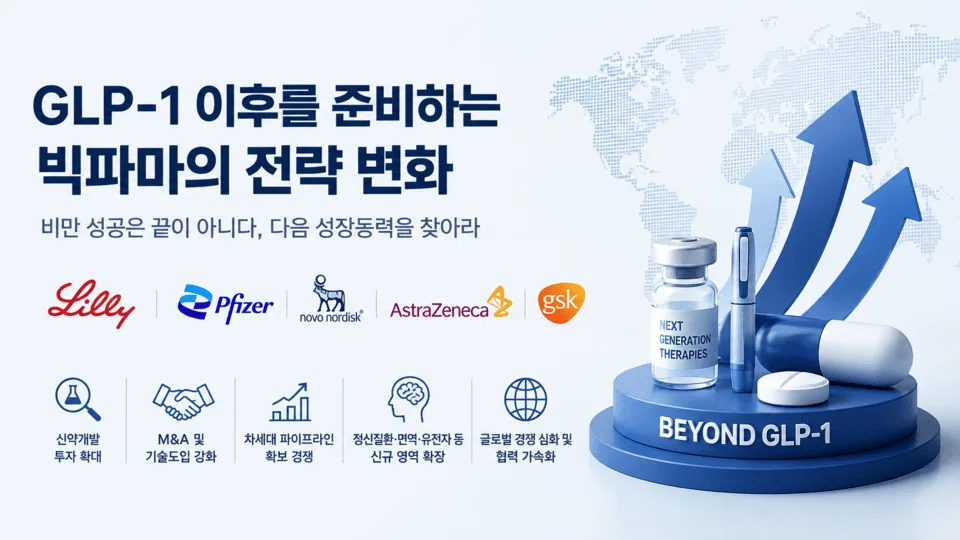
Recent financial reports from global pharmaceutical companies highlight a strategic pivot toward obesity treatments. For instance, Pfizer has announced plans to restructure its post-pandemic growth strategy by expanding research and development (R&D) investments specifically in the fields of obesity and oncology. By utilizing resources secured through cost-reduction initiatives, the company aims to strengthen its late-stage clinical pipelines and secure next-generation growth engines.
Meanwhile, real-world market data reveals unexpected consumer behavior regarding drug administration routes. According to Eli Lilly's second-quarter earnings report, three out of four new patients prescribed obesity medications chose injectable glucagon-like peptide-1 (GLP-1) therapies over oral alternatives. This indicates that factors like weight reduction performance and dosing frequency outweigh the simple convenience of taking a daily pill.
Clinical Limitations and the Need for Personalized Assessment
While the rapid expansion of pharmaceutical options offers new avenues for weight management, patients must approach these treatments with realistic expectations. Medical weight loss therapies are not a one-size-fits-all solution, and there is significant individual variation in how patients respond to these medications. Furthermore, potential side effects such as gastrointestinal discomfort or metabolic changes must be carefully monitored by a qualified medical professional.
It is also important to note that systemic weight loss medications serve a different purpose than localized body contouring procedures. While pharmaceutical interventions target overall body mass reduction, surgical or non-surgical body shaping procedures focus on localized fat reduction and structural refinement. Patients considering these options should consult a specialist to understand how medical weight loss and body contouring can be safely integrated, keeping in mind that recovery times and overall health status vary.
Key Considerations for Patient Consultation and Treatment Planning
Before embarking on any medical weight loss or body contouring journey, patients should consult a qualified clinician. Patients should discuss their complete medical history, lifestyle habits, and specific aesthetic goals. This collaborative approach ensures that the chosen intervention—whether pharmaceutical, procedural, or a combination of both—aligns with the patient's physiological profile and minimizes potential risks.
Clinicians can provide detailed guidance on what to expect during the treatment process, including potential side effects and necessary lifestyle modifications. Understanding that recovery and long-term maintenance require active patient participation is key to achieving satisfactory results. By addressing individual variation in metabolism and body structure, a tailored plan can be established to safely guide the patient toward their health and aesthetic objectives.
Frequently asked questions
Why do many patients prefer injectable obesity drugs over oral pills?
According to pharmaceutical market data, patients often prioritize weight loss efficacy, dosing schedules, and financial or insurance accessibility over the simple convenience of taking an oral pill. Consequently, three out of four new patients have been reported to choose injectable GLP-1 therapies.
Which global pharmaceutical companies are expanding their investments in obesity treatments?
Major companies like Pfizer are restructuring their growth strategies to focus heavily on obesity and oncology by expanding their R&D investments. Additionally, Eli Lilly continues to see strong market demand and clinical adoption for its injectable obesity therapies.
Consultation Checklist for Body Management and Weight Loss
- What are the potential side effects associated with injectable versus oral obesity medications?
- How does individual variation in metabolism affect the expected outcomes of medical weight loss?
- What is the estimated recovery period and maintenance plan if I combine medical weight loss with body contouring?
- How do dosing schedules and treatment costs compare between different pharmaceutical options?
MediIndex articles are for general information only and are not medical advice, diagnosis, or advertising. Outcomes vary by individual — consult a board-certified specialist for personal decisions.