BIA-ALCL: What Is Known, and What Monitoring Means
A rare condition linked mainly to certain implant surfaces has raised understandable questions — here’s a calm look at what is known and how doctors approach monitoring.
BIA-ALCL stands for breast implant-associated anaplastic large cell lymphoma, a rare condition that has been studied in people who have breast implants. It is not breast cancer; it is a type of lymphoma, a disease of the immune system’s cells, that in this setting tends to develop in the fluid and scar capsule around an implant. Its name is long and unfamiliar, which can make it sound more alarming than the calm, factual picture the evidence actually supports.
The goal of learning about it is awareness, not anxiety. Most of the conversation among doctors centers on which implants are more often involved, what changes are worth reporting, and why early attention matters. Rather than dwelling on worst cases, this piece lays out the settled contours of what is known and leaves the individual assessment where it belongs — with a specialist.
What BIA-ALCL is, and what it is not
The most important framing is that BIA-ALCL is uncommon and is a lymphoma rather than a tumor of the breast tissue itself. It is understood to arise in the microenvironment around an implant — the seroma fluid and the capsule — rather than in the milk ducts where breast cancer begins. That distinction shapes how it is looked for and how it is treated.
When it is found early, it is often addressed by surgery to remove the implant and the surrounding capsule, sometimes with additional treatment guided by an oncology team. That is why doctors emphasize attention over alarm: the useful response to an unfamiliar diagnosis is timely evaluation, not fear. The point of awareness is simply to notice change and act on it through proper channels.
Why implant surface enters the conversation
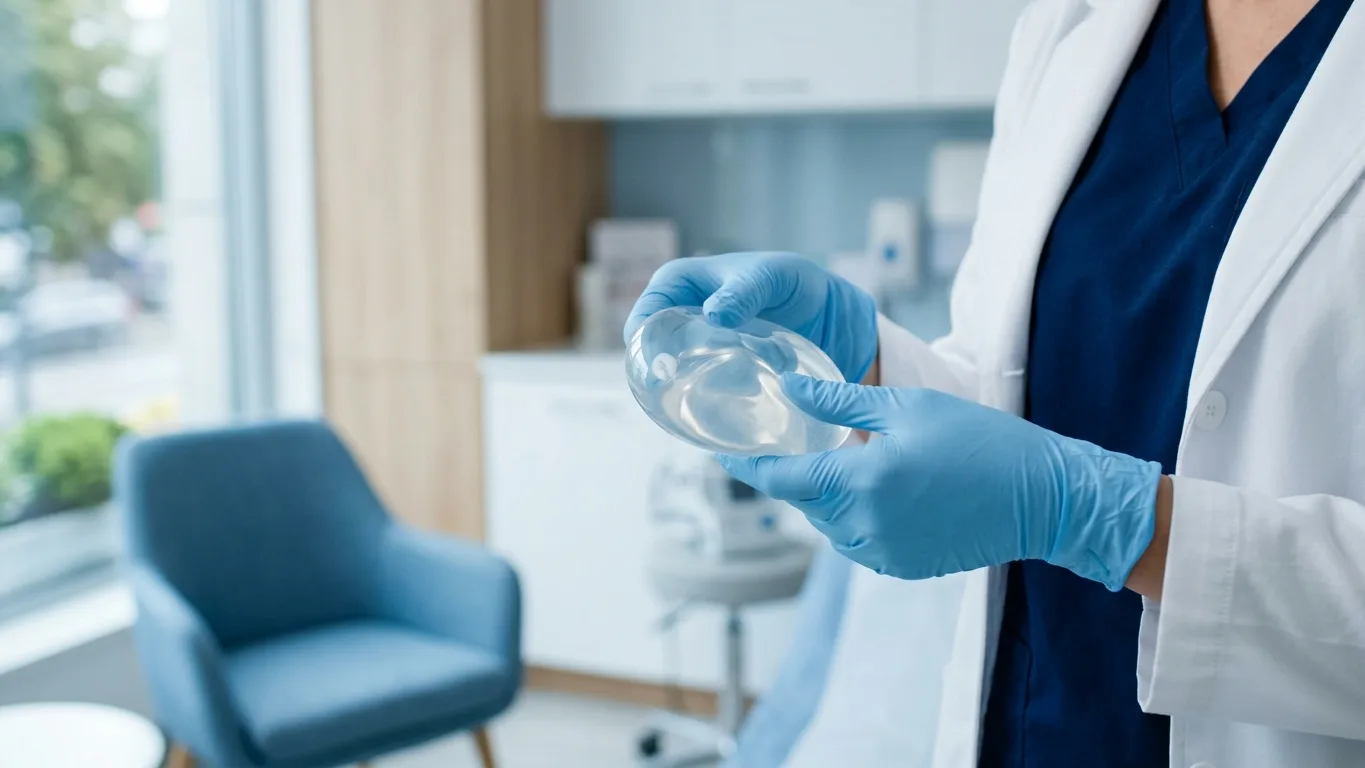
Research has pointed to a stronger association with textured implant surfaces than with smooth ones, which is why the type of implant a person has is part of any informed discussion. Texture was designed to help implants stay in position, and the link that later emerged is one reason surface choices are now weighed more carefully. Knowing which surface you have is useful background for a conversation with your surgeon.
None of this means a person with a textured implant should be alarmed; the condition remains rare and many people carry these implants without issue. It does mean that surface type, along with individual factors, is worth reviewing so that monitoring can be matched to the situation. How much any single factor matters varies from person to person and is best interpreted by a clinician.
What monitoring looks like in practice
In everyday terms, monitoring means staying aware of your breasts and reporting persistent changes — most often unexplained swelling that appears well after healing, or a new firmness or lump. Doctors may use imaging such as ultrasound and, when fluid is present, sample and analyze it, because these tests are how the condition is actually evaluated. Imaging and fluid results need medical interpretation, so they belong in the hands of a clinician rather than a search engine.
There is no need for constant self-alarm or frequent unprompted scans in the absence of symptoms; the practical stance is awareness paired with prompt evaluation when something changes. Any procedure that follows carries its own recovery period and possibility of side effects, and the right plan depends on the individual. For anyone weighing questions about their implants, a board-certified specialist is the appropriate place to have this discussion.
Questions worth raising
- Ask what surface type your implants have and how it factors into monitoring.
- Report any persistent swelling, firmness or lump that appears long after healing.
- Ask which imaging or tests are appropriate and remember results need medical interpretation.
- Discuss the possibility of side effects and the recovery period if any procedure is advised.
- Keep the conversation with a board-certified specialist rather than relying on online searches.
MediIndex articles are for general information only and are not medical advice, diagnosis, or advertising. Outcomes vary by individual — consult a board-certified specialist for personal decisions.