Dankook University Hospital Holds Breast Cancer Awareness Events
Dankook University Hospital marked Breast Cancer Day week with a self-examination experience campaign and a movie event for patients and visitors.
Implants, screening, reconstruction — surgery and health in one desk.

Dankook University Hospital marked Breast Cancer Day week with a self-examination experience campaign and a movie event for patients and visitors.

A UCLA Health Jonsson Comprehensive Cancer Center-led study found that an oxaloacetate supplement may improve cognitive function and reduce fatigue in some breast cancer survivors after treatment.

A new study in the Journal of the National Cancer Institute found that, in a given year, over half of highly frail older long-term breast cancer survivors received no Medicare home health care.

MSD Korea highlighted Keytruda’s treatment evidence across early-stage and metastatic triple-negative breast cancer during Breast Cancer Awareness Month.

InBody Healthcare and Persly held a health-management seminar for people receiving or preparing for breast cancer treatment.

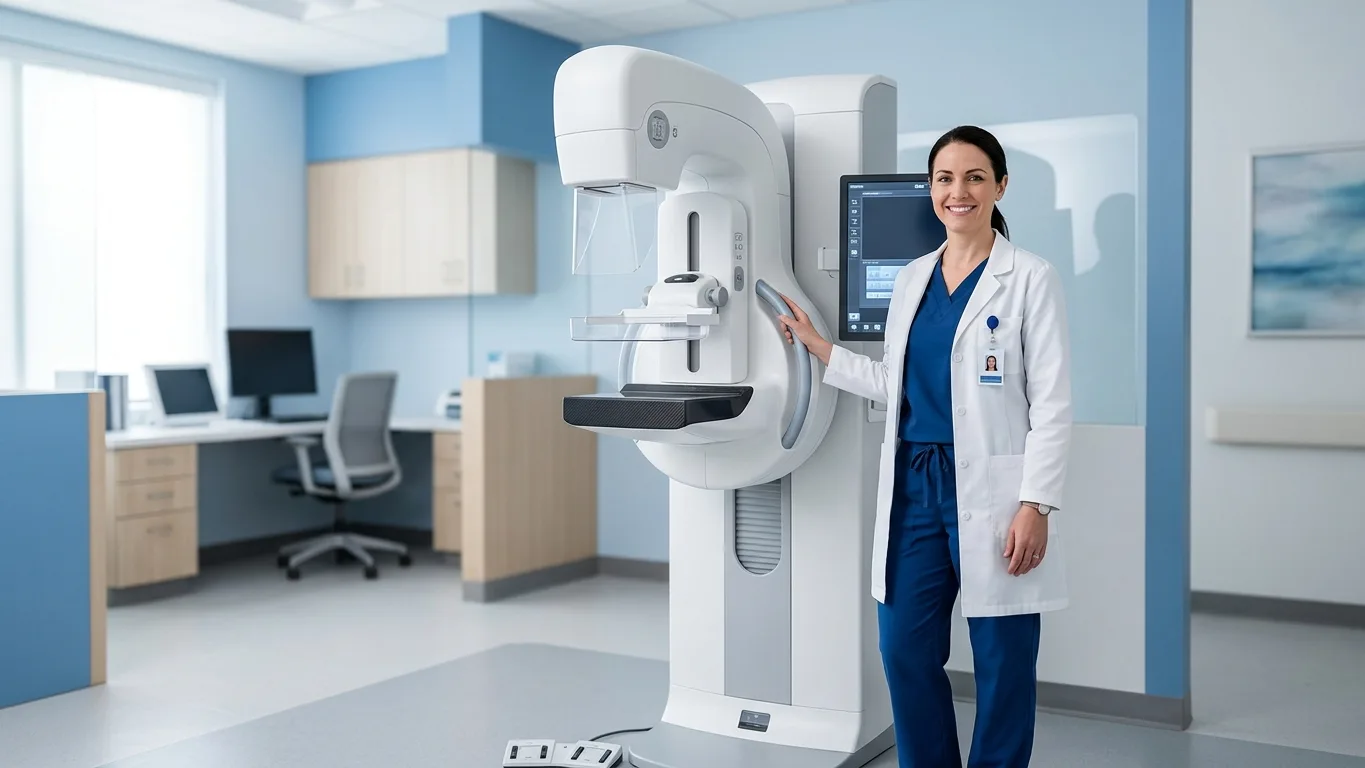
World Breast Cancer Day on October 19 renewed attention to regular screening, early detection and risk-based management of breast cancer.

Inha University Hospital’s Integrated Cancer Support Center held an October 15 public lecture on breast cancer treatment, nutrition, rehabilitation exercise, and recovery.

Researchers conducting a Finnish registry study found that poor oral health increased the risk of jawbone necrosis among breast cancer patients receiving antiresorptive treatment.

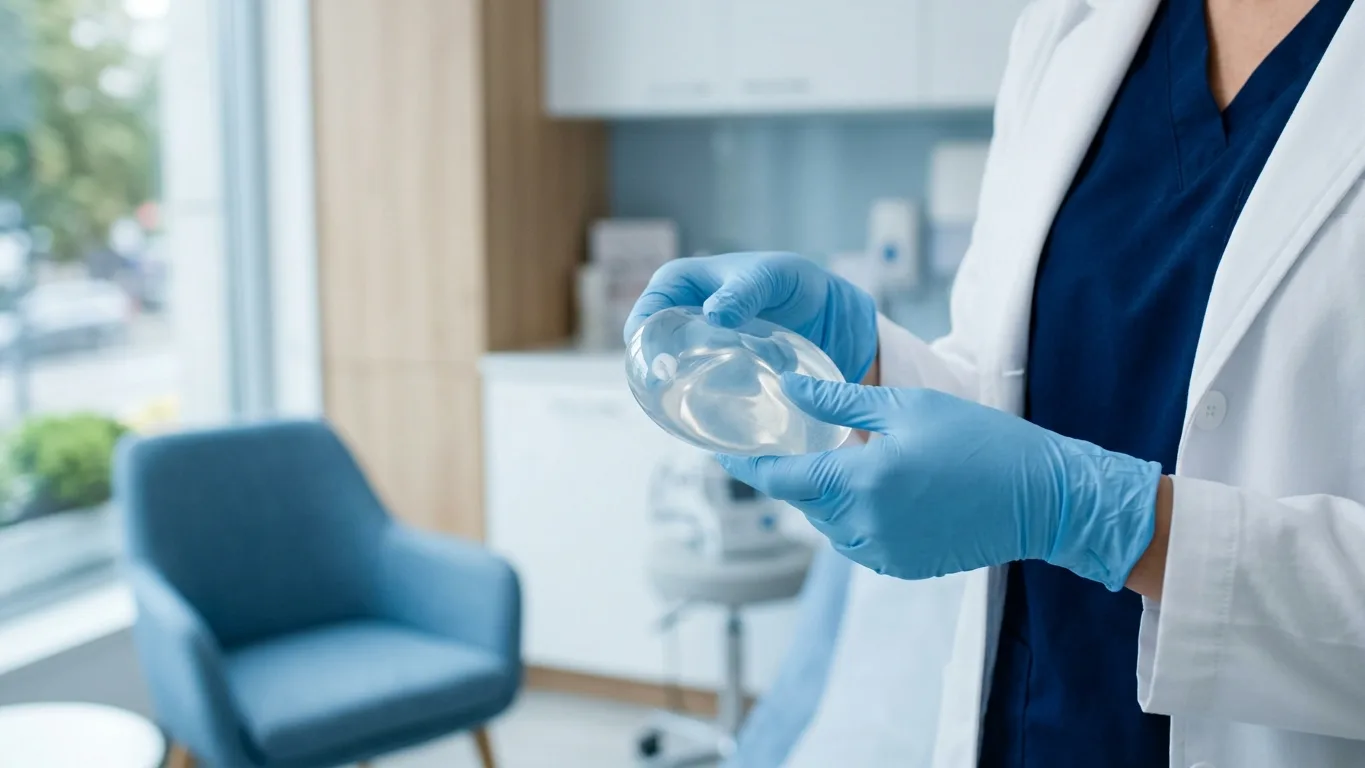
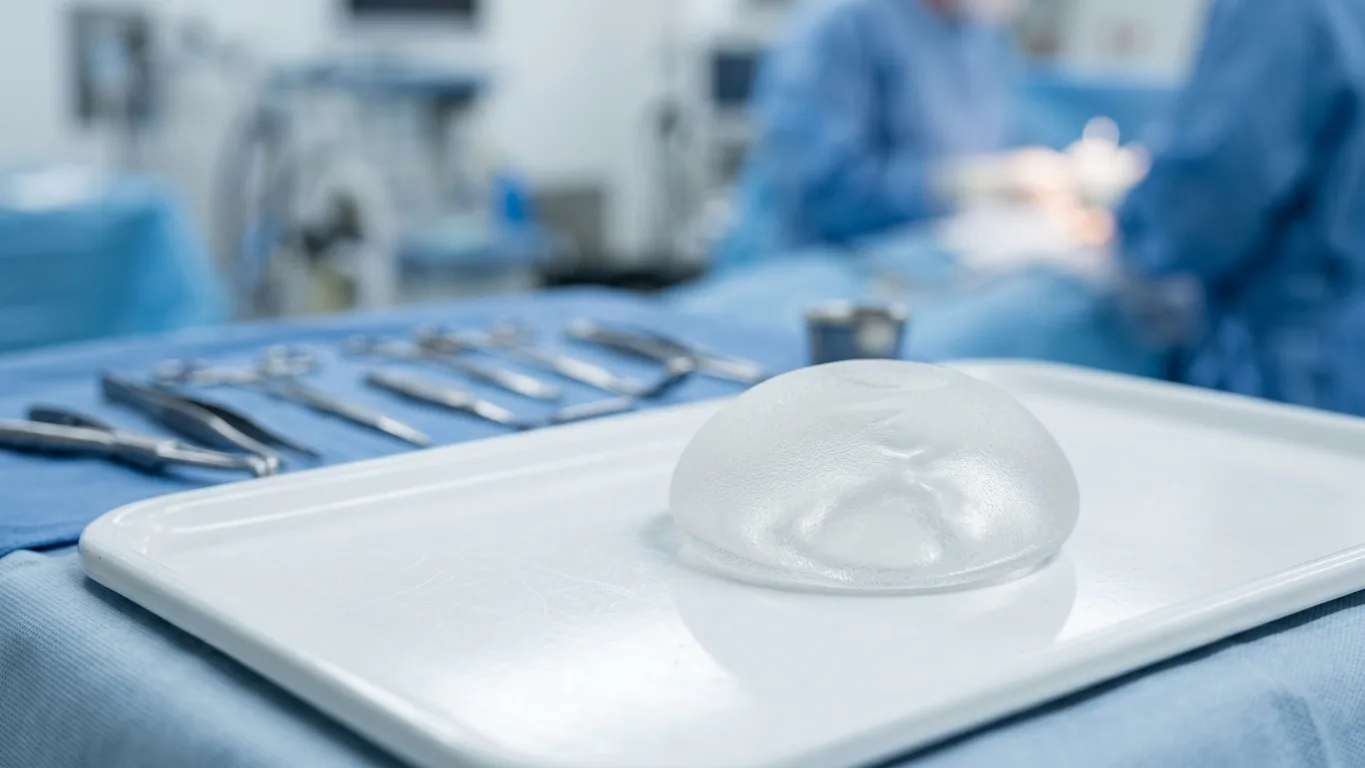
Breast implant manufacturers apply different warranty terms to augmentation and post-cancer reconstruction, making product eligibility and coverage key parts of surgical planning.

Employees of Marken Korea and GE HealthCare Korea joined the 2026 Pink Run in Seoul to raise awareness of breast cancer prevention and breast health.

Dae Hwa Pharmaceutical said China’s NMPA approved its oral paclitaxel drug Liporaxel for recurrent or metastatic HER2-negative breast cancer.

The FDA approved Tukysa with trastuzumab and pertuzumab as maintenance therapy after induction treatment for adults with unresectable locally advanced or metastatic HER2-positive breast cancer.
When to Decide on Breast Revision — 26 reader questions, each answered in full with the caveats that matter.
Capsular Contracture: Causes and Grades — 26 reader questions, each answered in full with the caveats that matter.
Revision Consults and Imaging — 26 reader questions, each answered in full with the caveats that matter.
Recovering From Breast Revision — 26 reader questions, each answered in full with the caveats that matter.
After Explant: What the Breast Looks Like — 26 reader questions, each answered in full with the caveats that matter.
Breast Reconstruction Options — 26 reader questions, each answered in full with the caveats that matter.
Breast Augmentation Timing, Pregnancy and Nursing — 26 reader questions, each answered in full with the caveats that matter.
Before Breast Augmentation: Tests and Medications — 26 reader questions, each answered in full with the caveats that matter.
Breast Augmentation Early Recovery — 26 reader questions, each answered in full with the caveats that matter.
Returning to Exercise After Breast Augmentation — 26 reader questions, each answered in full with the caveats that matter.
Warning Signs After Breast Augmentation — 26 reader questions, each answered in full with the caveats that matter.
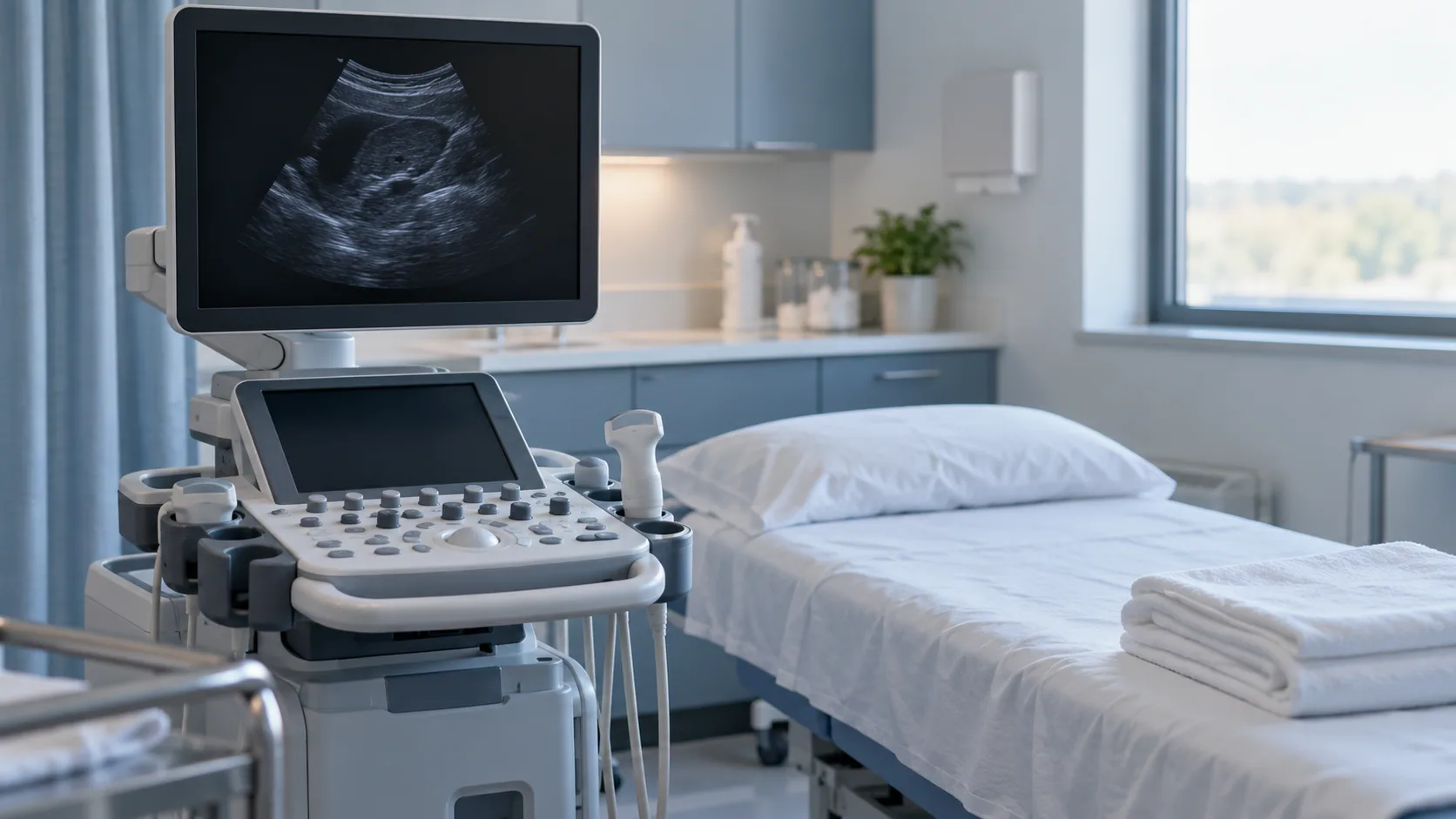
Breast Implant Follow-Up and Imaging — 26 reader questions, each answered in full with the caveats that matter.
Where the incision goes shapes how visible the scar is, how directly the surgeon can work, and whether the same route can be reused later.
Scar tissue forms around every breast implant as a normal part of healing — here’s what that capsule does, and the point at which a routine response can turn into a problem.

Breast augmentation planning turns less on any single product and more on how surface texture, gel cohesiveness, incision site and implant plane fit an individual body.
Rebuilding movement after breast surgery works in phases — gentle range-of-motion first, posture work next, and loaded training only after the chest has settled.

Every implant is wrapped in scar tissue — here is what happens when that capsule contracts, and how surgeons decide between watching and revising.
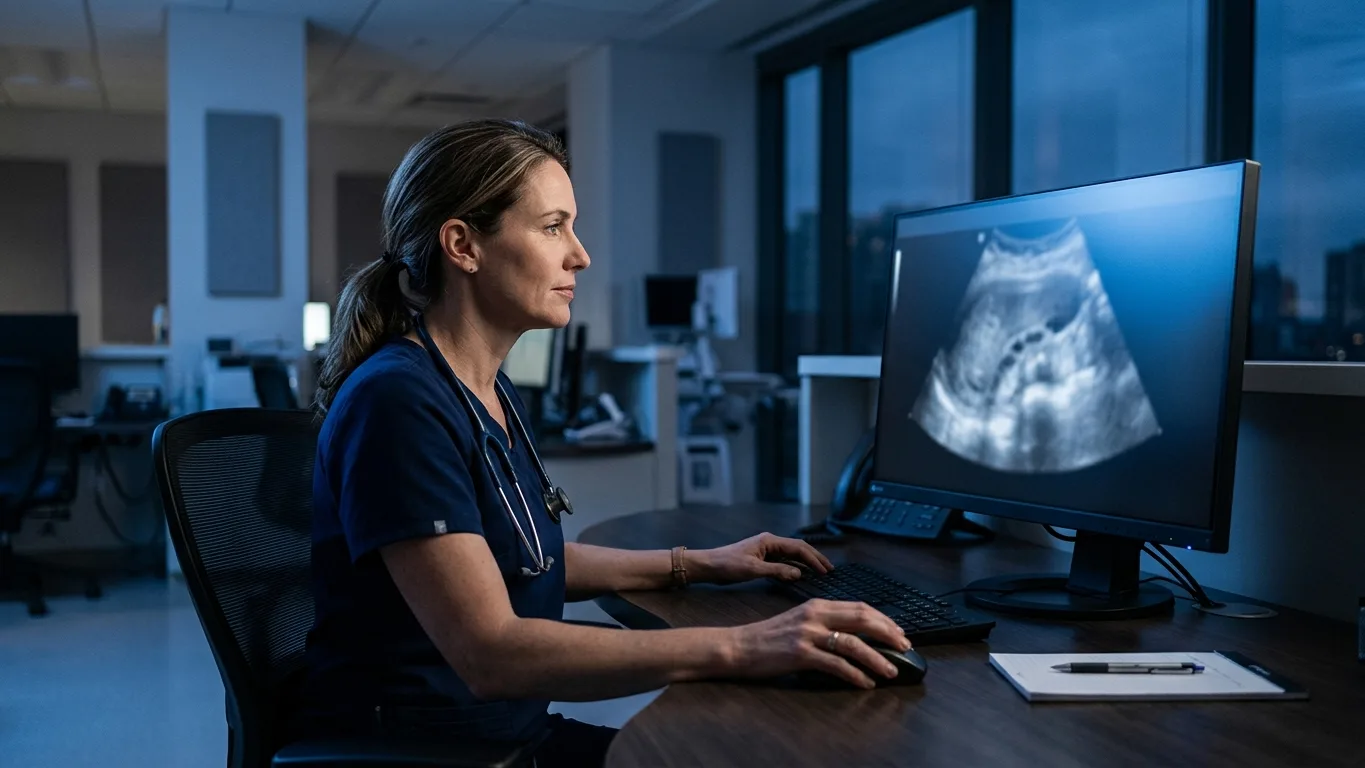
A vacuum-assisted device can remove many benign breast lumps through a skin opening a few millimeters wide — here is how the procedure works and where its limits lie.
Whether an implant sits under the muscle, under its fascia or in a dual-plane pocket changes coverage, movement and how the breast reads on imaging.
A rare condition linked mainly to certain implant surfaces has raised understandable questions — here’s a calm look at what is known and how doctors approach monitoring.
Reconstruction can begin on the operating table with mastectomy or months to years later — the timing is a medical decision as much as a personal one.
Scar care after breast surgery is less about a single product and more about matching the right tool — taping, silicone, sun protection — to each stage of healing.
Deciding to take breast implants out opens a second question — whether to remove them only, exchange them, or remove them and lift the breast — and each path asks something different of the tissue.
Some difference between breasts is the rule rather than the exception, and surgery becomes a conversation only when the gap is pronounced or distressing.

Cohesive silicone implants can rupture without symptoms — imaging is how these failures are found, and how replacement decisions get made.

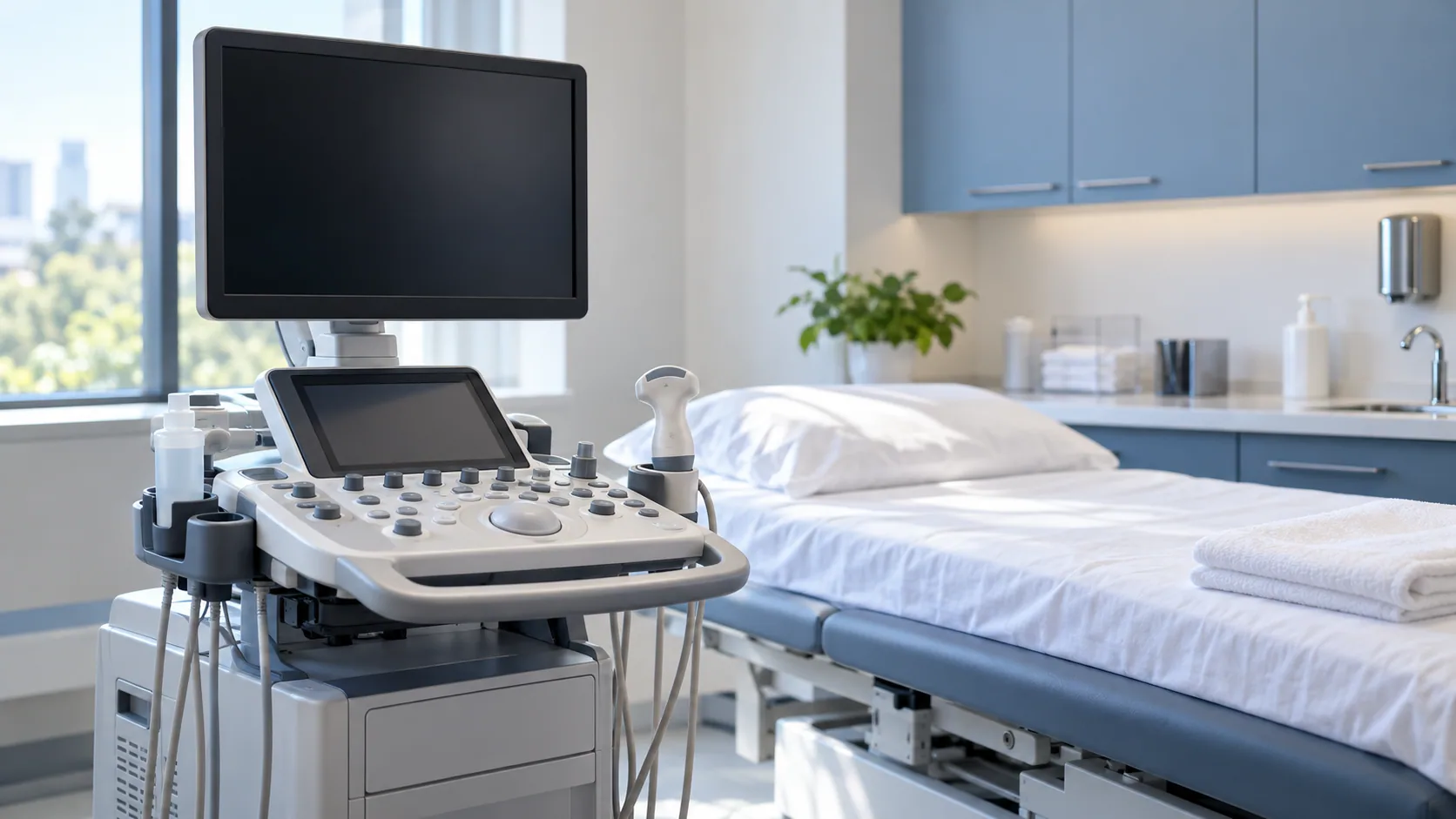
Implants change how breast imaging is done, not whether it should be done — and each modality answers a different question.
Flap reconstruction rebuilds a breast from the patient’s own skin and fat — a longer operation with a different set of trade-offs from an implant.
The bra worn after breast surgery is part of the treatment plan — compression timing, underwire restrictions and proper fitting all change as healing progresses.
After a breast surgery that didn’t turn out as hoped, the instinct is to fix it quickly — yet surgeons often counsel waiting, because tissue that is still healing tells an unreliable story.
The smallest procedures in breast surgery target the nipple and areola, where millimeters of change carry outsized weight for function and confidence.
Between mastectomy and a final implant often comes a months-long middle chapter — regular saline fills that stretch skin and muscle a little at a time.
Macromastia can drive a recognizable pattern of shoulder grooving, neck and back pain and skin irritation — and knowing the pattern helps decide when to seek evaluation.
The weeks before breast surgery are a structured screening process — lab tests, baseline imaging and sizing sessions — designed to catch problems while they are still easy to address.
When an implant’s edges show or ripple through thin tissue, transferring a patient’s own fat over the top can soften the contour — a supporting move in revision rather than a replacement for it.

Breast reconstruction after cancer surgery follows two broad paths — implant-based and autologous — each with its own timeline, trade-offs and recovery.

Breast surgery recovery works in stages — graded activity, supportive garments, gentle physiotherapy and early scar care each have their moment.
Every breast implant has a serial number, a registry entry and a manufacturer program behind it — paperwork that matters most years after surgery.
Mastopexy is not one operation but a spectrum of incision patterns, and the degree of sagging largely decides which one a surgeon recommends.
Breast implants come with a follow-up calendar that runs for as long as the devices do, from early wound checks to imaging that recurs every few years.
A soft bulge near the armpit is often not fat but accessory breast tissue — a common developmental leftover — and understanding it helps explain the options for smoothing it away.

Not every implant problem is a rupture — visible wrinkling and implants that drift out of position are among the most common reasons revision surgery is discussed.
In oncoplastic surgery, a breast surgeon and a plastic surgeon plan one operation together — cancer control first, shape considered from the start.
Augmentation, reduction and lift each interact differently with the milk-making system, and incision choices made years earlier can shape a future nursing experience.

Reduction and mastopexy sit where symptom relief meets aesthetics, and honest planning means weighing sensation, breastfeeding and scars up front.