Korean Breast Groups Set Guidance for Mammotome Use
Korean breast specialist societies issued guidance on when vacuum-assisted excision, commonly known as Mammotome, fits a particular patient.
This article was automatically drafted and passed editorial compliance checks. It synthesizes public source metadata and is not a substitute for individual care or clinical review.

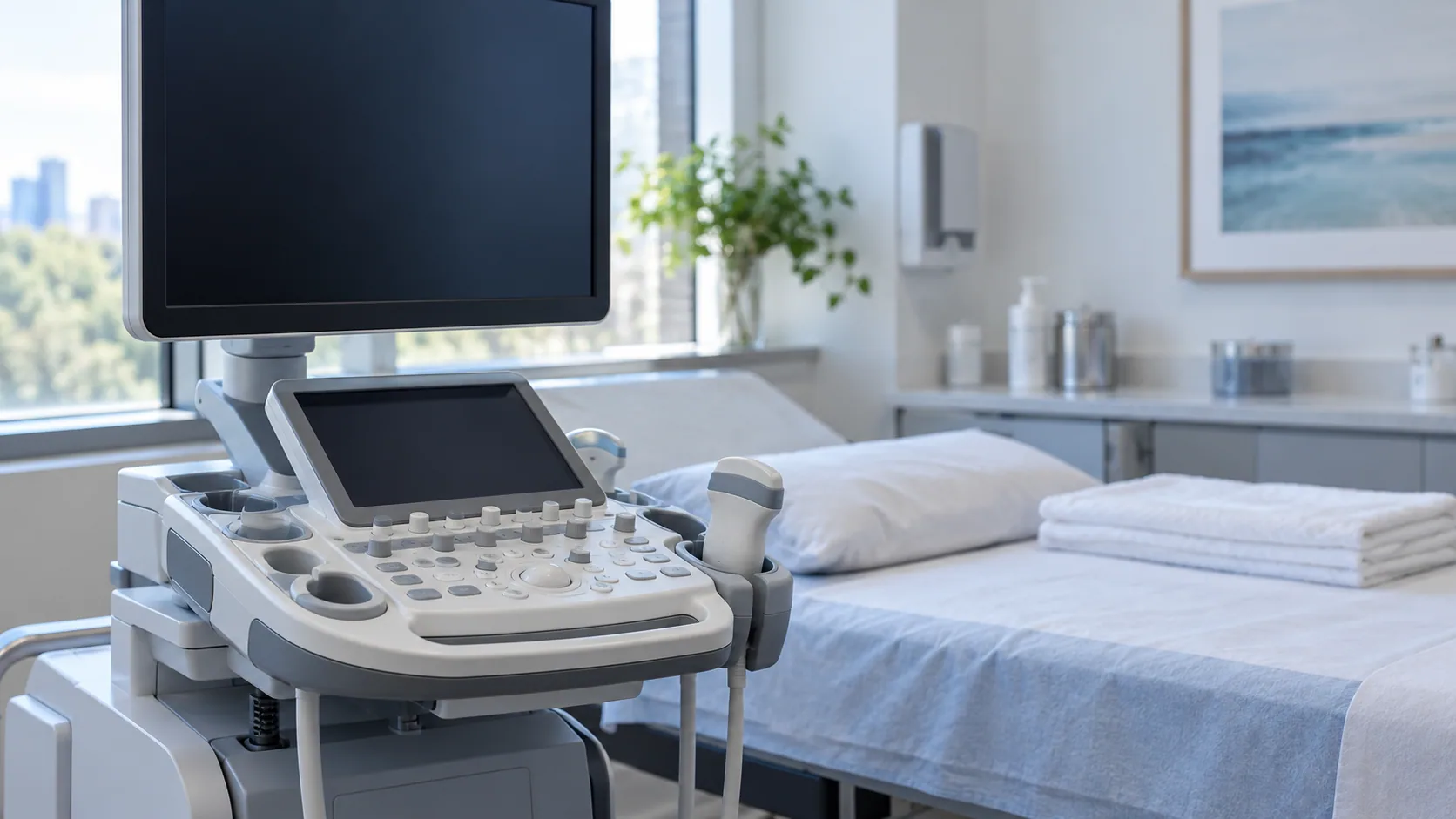
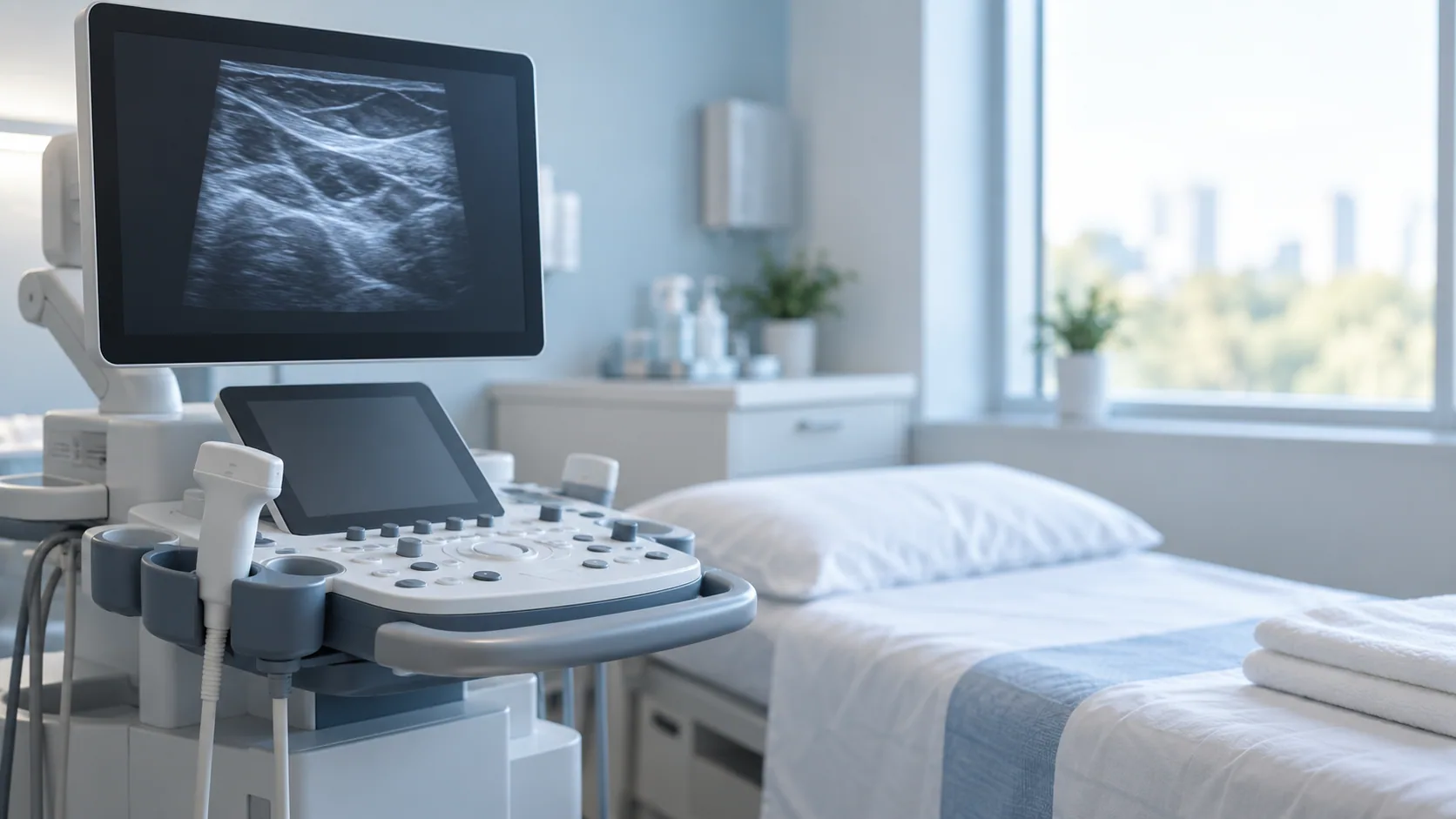
The Korean Breast Cancer Society, together with the Korean Society of Breast and Thyroid Surgeons, issued Korean clinical-consensus guidance on vacuum-assisted excision of breast lesions on August 20. The procedure, commonly called Mammotome, removes a breast lesion minimally invasively with a vacuum-assisted device under image guidance.
Finding a lump on breast ultrasound does not by itself call for a Mammotome procedure, which is the point the society set out. Depending on the nature of the lesion, follow-up observation, tissue testing, or removal may each be considered.
What the guidance changes
The guidance draws on international evidence and Korean practice conditions together. Its purpose is not to increase or reduce use of the procedure across the board but to set a common basis for judging which patients and situations suit vacuum-assisted excision.
The practical sequence is that an ultrasound finds a lump, the lesion is characterized first, and observation, tissue testing, or removal follows from that assessment. Evaluating the lesion comes before deciding on Mammotome.
Limits and patient context
Neither report gives specific figures for effectiveness, side effects, recovery, or outcomes. Those carry individual variation, so they belong in a consultation with a qualified clinician working from the imaging and assessment for that patient.
The three pathways are follow-up observation, tissue testing, and lesion removal, and the guidance exists to identify which situations suit vacuum-assisted excision among them. A patient can ask why one pathway is proposed for their particular lesion.
Questions for the consultation
Because management turns on the nature of the lesion, ask how the ultrasound finding was characterized and why observation, tissue testing, or removal is under consideration. Ask which findings support the recommended path.
The guidance sets criteria for applying vacuum-assisted excision to a patient and situation. At the consultation, ask how it applies to the particular lesion, and discuss possible side effects, the recovery plan, alternatives, and the signs that would call for follow-up care.
Frequently asked questions
Does every breast lump found on ultrasound need Mammotome?
No procedure follows automatically from the finding alone. Observation, tissue testing, or lesion removal may be considered according to the nature of the lesion, and the new guidance supports that decision for the patient and the clinical situation.
What is Mammotome in this guidance?
Mammotome is the common name for vacuum-assisted excision of a breast lesion. It removes the lesion minimally invasively, using a vacuum-assisted device under image guidance.
What should I ask before deciding on Mammotome?
Ask how the lesion was characterized and why observation, tissue testing, or removal is being proposed. Neither report gives specific figures for side effects, individual variation, or recovery, so consult a qualified clinician about those, about alternatives, and about follow-up care.
Mammotome consultation checklist
- How was my breast lesion characterized on ultrasound?
- Why are observation, tissue testing, or removal being considered for me?
- How does the new guidance apply to my lesion and circumstances?
- What side effects and individual variation should I discuss before deciding?
- What recovery plan, alternatives, and follow-up should I understand?
MediIndex articles are for general information only and are not medical advice, diagnosis, or advertising. Outcomes vary by individual — consult a board-certified specialist for personal decisions.