Rebuilding After Mastectomy: Implant or Your Own Tissue?
Breast reconstruction after cancer surgery follows two broad paths — implant-based and autologous — each with its own timeline, trade-offs and recovery.

For many people facing mastectomy, the question of reconstruction arrives almost in the same breath as the cancer diagnosis. Breast reconstruction rebuilds the shape of the breast either at the time of mastectomy — immediate reconstruction — or months to years later, once cancer treatment has run its course. Neither timing is inherently superior; the right sequence depends on the treatment plan, including whether radiation is expected.
The second big fork in the road is what the new breast is made of: an implant, or the patient’s own tissue moved from elsewhere on the body. Each path has distinct operations, timelines and recovery profiles, and what suits one patient may not suit another. This article maps the landscape that reconstruction consultations typically cover.
Implant-based reconstruction and the expander stage
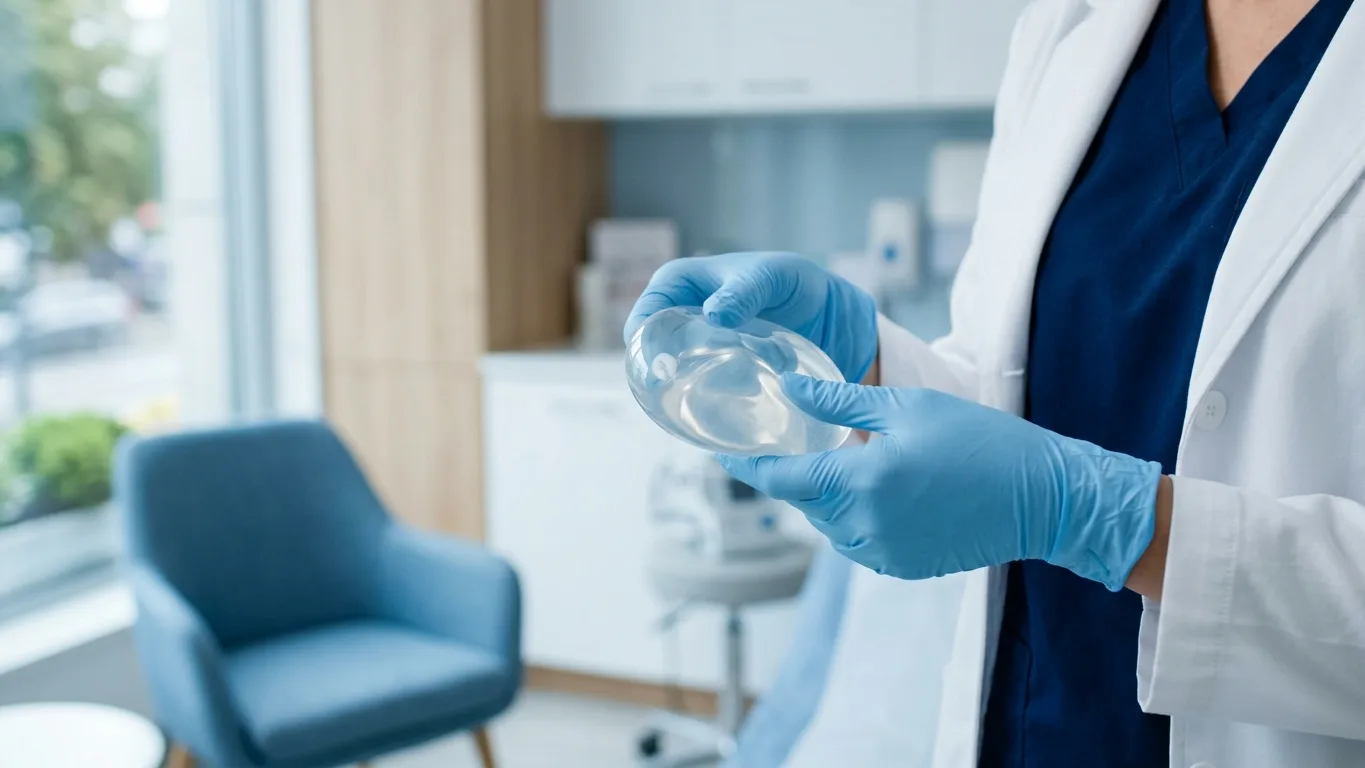
Implant-based reconstruction is the more common route worldwide and usually the shorter operation. It is often staged: a tissue expander is placed first under or over the chest muscle, then gradually filled over weeks to stretch the skin, and later exchanged for a permanent implant in a second operation. In selected patients, surgeons place the final implant directly at the time of mastectomy, skipping the expander stage.
The appeal is a shorter initial surgery and no donor site elsewhere on the body. The trade-offs mirror those of any implant: capsular contracture, rupture and the likelihood of further surgery over a lifetime, since implants are not permanent devices. Radiation therapy, when part of the cancer treatment, tends to raise the rate of implant-related complications, which is one reason plans are built around the oncology timeline.
Autologous reconstruction: borrowing from yourself
Autologous reconstruction transfers the patient’s own skin, fat and sometimes muscle — most often from the lower abdomen, but also the back or thighs — to build a breast that is living tissue. The result ages with the body, tolerates radiation better than an implant and generally does not need device-related maintenance down the road.
The cost is a longer, more complex operation — often involving microsurgery to reconnect blood vessels — plus a second surgical site that must heal. Recovery is correspondingly longer, and complications at either the breast or the donor site are possible, including rare loss of the transferred tissue. Candidacy depends on body type, prior surgeries and overall health, so the option is not open to everyone.
Timelines, coverage and making the call
Reconstruction is rarely a single event. Even after the main operation, refinements such as nipple reconstruction, fat grafting for contour or adjustments to the opposite breast for symmetry are commonly spread over additional visits months apart. In many countries, health systems and insurers treat reconstruction after cancer surgery as part of cancer care rather than a cosmetic choice, and implanted devices are tracked through registries — though the details of coverage and tracking differ by country and policy.
How each stage heals, how long recovery takes and how the final result looks all vary from person to person, and side effects or complications remain possible at every step. The choice between implant and autologous reconstruction — and between immediate and delayed timing — is ultimately a joint decision with the cancer team and a board-certified plastic surgeon, made in consultation around the individual’s treatment plan, anatomy and priorities.
Questions for your reconstruction consult
- Ask whether your cancer treatment plan, especially radiation, affects the timing of reconstruction.
- Ask which options — implant, expander-implant or your own tissue — fit your body and health.
- Clarify how many operations the full plan involves and over what period.
- Ask what insurance coverage applies to each stage in your case.
- Discuss expected recovery time and possible complications for each option.
MediIndex articles are for general information only and are not medical advice, diagnosis, or advertising. Outcomes vary by individual — consult a board-certified specialist for personal decisions.