
Capsular Contracture: When the Body’s Scar Shell Tightens
Every implant is wrapped in scar tissue — here is what happens when that capsule contracts, and how surgeons decide between watching and revising.
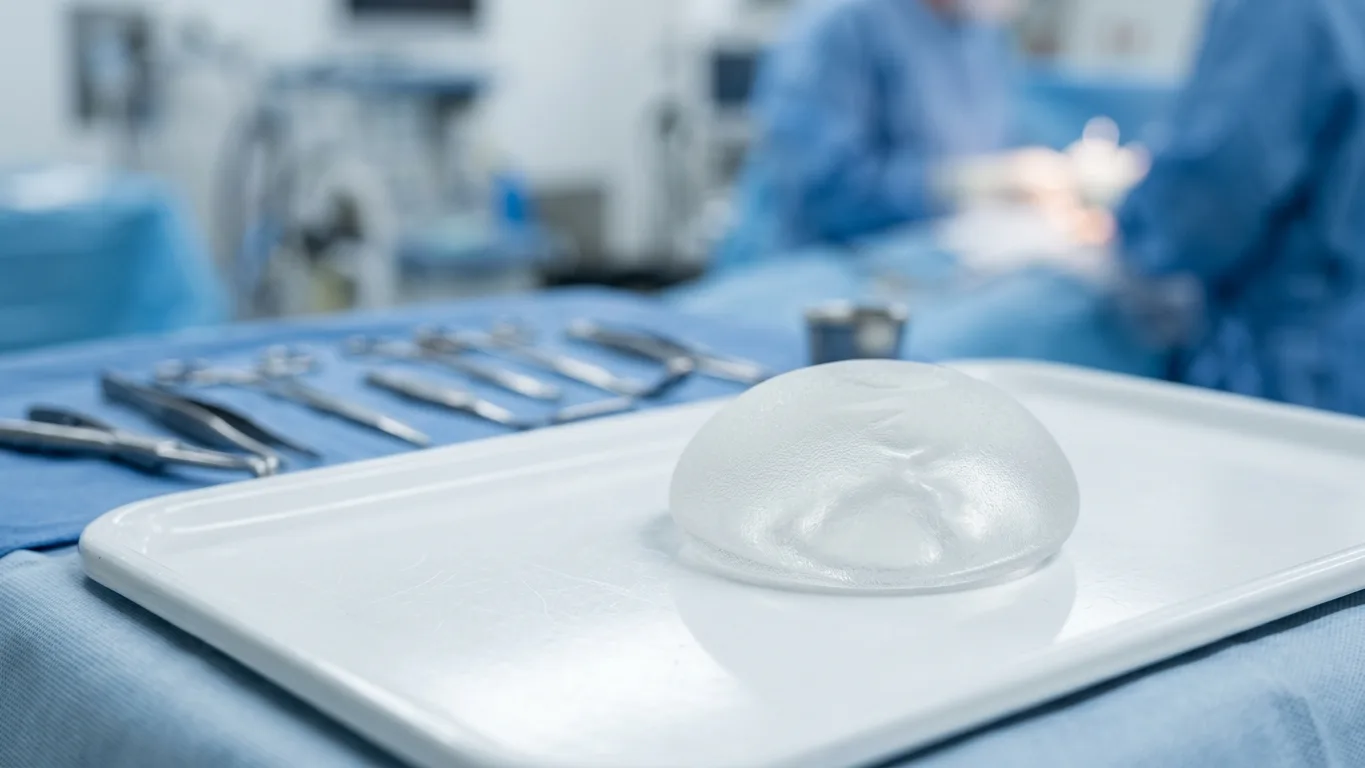
Whenever a breast implant is placed, the body responds the way it does to any foreign object: it builds a thin envelope of scar tissue around it. This capsule is a normal part of healing, and in most people it stays soft and unnoticed. In some cases, however, the capsule thickens and tightens around the implant — a condition known as capsular contracture.
Capsular contracture is one of the most frequently discussed reasons for breast revision surgery. How firm the breast becomes, whether it changes shape and whether it hurts varies considerably from person to person. Understanding how surgeons grade the condition helps patients follow the conversation about whether to observe it or operate on it.
Why a normal capsule starts to squeeze
The exact trigger for contracture is not fully settled, but surgeons point to several contributing factors. Low-grade bacterial films on the implant surface, bleeding or fluid collection after surgery, and radiation therapy are all associated with a higher chance of the capsule tightening. Genetics and individual healing tendencies also appear to play a role, which is part of why outcomes differ so much between patients.
As the capsule contracts, it compresses the implant into a smaller space. The breast can feel firmer than before, sit higher on the chest or take on a rounder, more spherical look. In more advanced cases the tightening can distort the breast visibly and cause discomfort or pain.
The Baker scale: four grades of firmness
Surgeons commonly describe contracture using the Baker grading system, a clinical scale based on how the breast looks and feels. Grade I means the breast is soft and natural, essentially indistinguishable from a breast without contracture. Grade II describes a breast that feels somewhat firm but still looks normal.
Grade III is where the change becomes visible: the breast is firm and looks abnormal, often rounder or higher than intended. Grade IV adds pain or tenderness on top of visible distortion. The scale is a communication tool rather than a lab test — it relies on clinical examination, and where a given breast falls can involve some judgment.
Observation or revision: how the decision is framed
Lower-grade contracture without pain or distortion is often simply monitored, since surgery carries its own risks and the condition does not always progress. When firmness advances to visible deformity or pain — typically Baker grade III or IV — revision surgery enters the discussion. Options include removing part or all of the capsule, a procedure called capsulectomy, usually combined with implant exchange or removal, and sometimes moving the implant to a different tissue plane.
Revision is a bigger conversation than a first operation: contracture can recur even after capsulectomy, and side effects such as bleeding, infection or changes in sensation remain possible. Recovery time also tends to be counted in weeks and differs by individual and by the extent of surgery. Because the trade-offs are personal, the decision on timing and technique needs a consultation with a board-certified plastic surgeon rather than a rule of thumb.
Before your consultation
- Note when the firmness began and whether it has changed over time.
- Bring records of your original surgery, including implant type and placement if available.
- Ask which Baker grade your surgeon assigns and why.
- Discuss the difference between capsule release and full capsule removal for your case.
- Ask about recurrence risk and the expected recovery period after revision.
MediIndex articles are for general information only and are not medical advice, diagnosis, or advertising. Outcomes vary by individual — consult a board-certified specialist for personal decisions.