
NICE Checks May Miss 95% of Women Under 50 Who Develop Breast Cancer
Research published in August 2026 found NICE referral criteria miss up to 95% of women under 50 who go on to develop breast cancer within ten years, the Guardian and BBC reported.
This article was automatically drafted and passed editorial compliance checks. It synthesizes public source metadata and is not a substitute for individual care or clinical review.
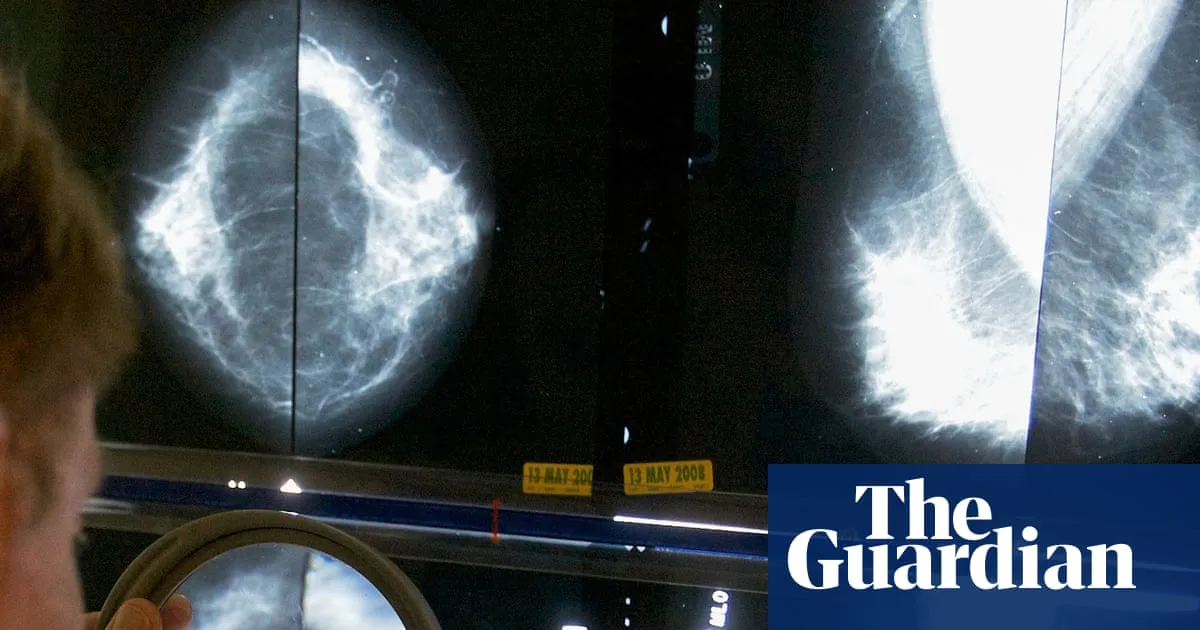
Recent medical research from the UK has highlighted potential gaps in the current referral guidelines used by general practitioners to identify younger women at risk of breast cancer. Studies published in August 2026 suggest that the National Institute for Health and Care Excellence (NICE) criteria may fail to identify up to 95% of women under the age of 50 who go on to develop the disease within a ten-year period. This has prompted widespread calls among healthcare advocates for an immediate review of the existing screening and referral frameworks.
The findings, collaborative work by researchers at the University of Cambridge and The Institute of Cancer Research, London, emphasize the challenges of early detection in younger demographics. While routine checks and preventive treatments exist, the current entry points for specialist care may not adequately capture those who need them most. Patients considering breast health procedures or monitoring must navigate these systemic limitations by seeking personalized clinical advice.
Summary of the Research Findings
The core of the newly published research focuses on the National Institute for Health and Care Excellence (NICE) referral criteria in England. According to reports from major outlets including The Guardian and the BBC, these guidelines are utilized by general practitioners to determine which patients require further breast cancer risk assessment and specialist care. However, the data indicates that up to 95% of women under 50 who eventually develop breast cancer within ten years are missed by these initial checks, leaving them without timely access to early testing or preventive options.
This high omission rate has raised serious concerns regarding the efficacy of current NHS checks for younger cohorts. Because younger women are generally not included in routine population-wide screening programs, they rely heavily on GP referrals based on specific risk criteria. The failure to identify these high-risk individuals early highlights a critical gap between established clinical guidelines and the actual development of the disease in younger populations.
Limitations and Clinical Context
While the study highlights a significant gap in referral guidelines, it is important to note that the source coverage does not establish a new, standardized diagnostic protocol. The research focuses primarily on the statistical shortcomings of the NICE criteria rather than providing an immediate clinical alternative. Consequently, patients must understand that individual variation plays a major role in breast health, and a single set of guidelines cannot account for every unique risk profile.
Additionally, the discussed findings do not detail specific treatment outcomes, recovery pathways, or potential side effects associated with preventive therapies. Any medical intervention or diagnostic pathway carries inherent risks that must be carefully weighed. Patients should consult with qualified specialists to evaluate their personal risk factors, rather than relying solely on generalized public health screening criteria that may not reflect their specific circumstances.
Guidance for Patient Consultation
Navigating breast health decisions requires an individualized approach that goes beyond standard age-based guidelines. When discussing risk assessments or potential procedures with a physician, patients should prepare to share comprehensive family histories and any personal health changes. This proactive approach helps clinicians bypass rigid referral criteria that might otherwise overlook subtle risk factors in younger individuals.
Ultimately, a thorough consultation is the most reliable method to address concerns about breast health and diagnostic accuracy. A qualified clinician can provide tailored advice on screening intervals, genetic testing, and lifestyle factors. By engaging in open dialogue, patients can better understand their options, manage expectations regarding recovery and potential side effects, and make informed decisions tailored to their unique biological profile.
Frequently asked questions
Why are younger women being missed by current breast cancer referral guidelines?
Recent studies suggest that the NICE criteria used by GPs fail to identify up to 95% of women under 50 who develop breast cancer within ten years. This is because the guidelines may not adequately account for the specific risk factors present in younger demographics. However, the research does not establish a definitive new screening protocol to replace these criteria.
What should I do if I am under 50 and concerned about my breast cancer risk?
You should consult a qualified clinician to discuss your individual risk factors, including family history and lifestyle. Standard public health guidelines may not fully capture your personal situation due to individual variation. A specialist can help design a personalized monitoring plan and discuss any potential side effects or recovery aspects of preventive options.
Questions to Ask Your Clinician About Breast Health and Risk Assessment
- Does my family history or personal health profile put me at a higher risk for breast cancer despite standard age guidelines?
- What specific screening options are available to me if I do not meet the standard referral criteria?
- How do individual variations in breast density affect the accuracy of routine checks?
- What are the potential side effects and expected recovery considerations for any recommended preventive measures?
MediIndex articles are for general information only and are not medical advice, diagnosis, or advertising. Outcomes vary by individual — consult a board-certified specialist for personal decisions.