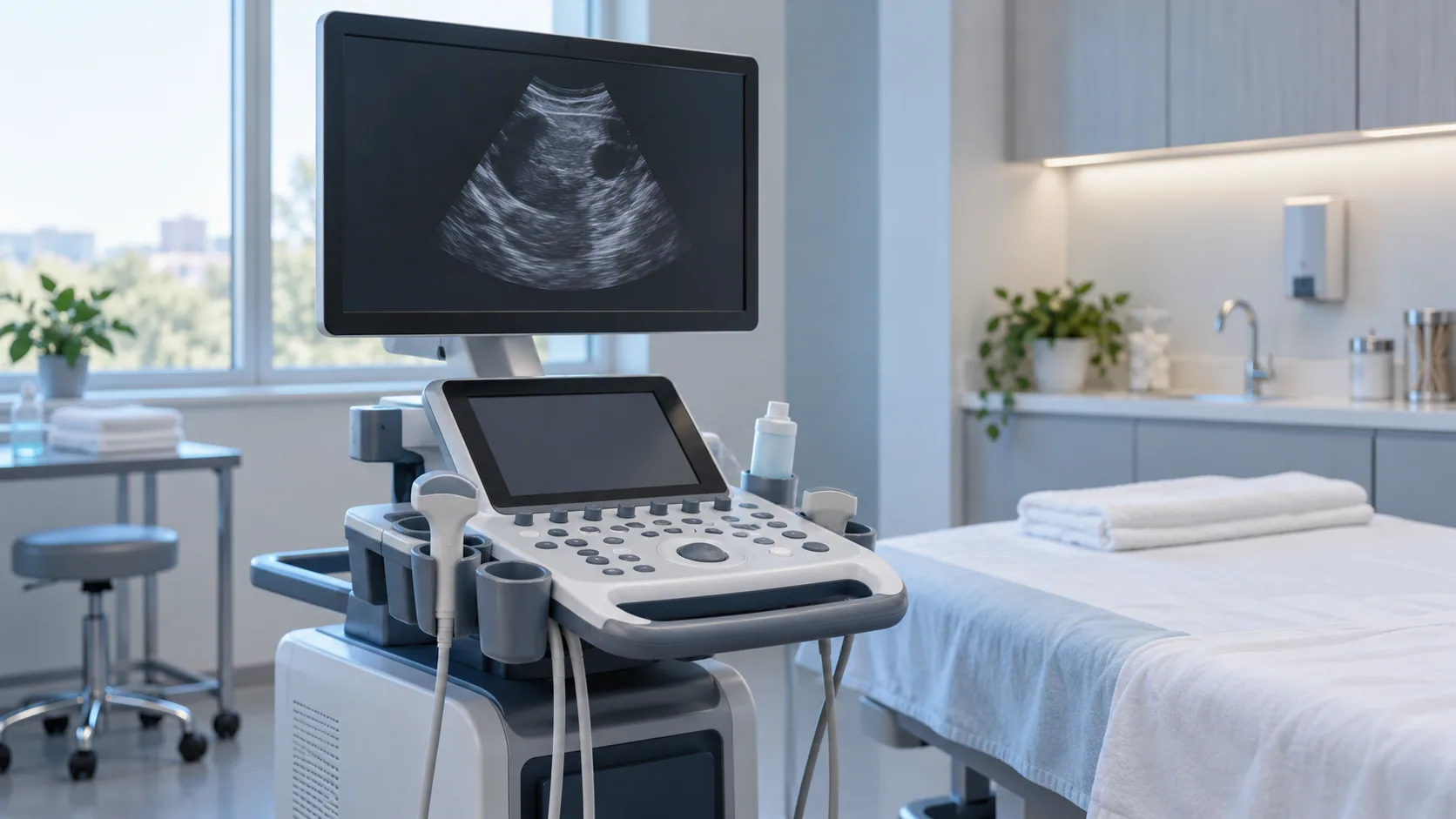
World Breast Cancer Day Puts Early Detection in Focus
World Breast Cancer Day on October 19 renewed attention to regular screening, early detection and risk-based management of breast cancer.
This article was automatically drafted and passed editorial compliance checks. It synthesizes public source metadata and is not a substitute for individual care or clinical review.

Breast cancer may develop without clear early symptoms and can also affect younger people. The World Breast Cancer Day message therefore centers on understanding personal risk factors and receiving regular screening even when no symptoms are present.
Why early detection matters
The Health Insurance Review and Assessment Service recorded 252,929 patients treated for breast cancer in 2021 and 328,359 in 2025, an increase of about 30% over four years. The figures describe growth in the treated patient population and reinforce the practical importance of screening.
National cancer registration statistics place the five-year relative survival rate for breast cancer in South Korea at 94.7%. This population-level figure does not predict an individual outcome: age, stage and genetic characteristics can affect treatment strategy, making continued management important from diagnosis through follow-up.
Screening and individual risk
Because the cause of breast cancer is not clearly established, prevention cannot rest on a single measure. Regular screening, awareness of personal risk factors and individualized consideration of genetic testing form the central approach highlighted for World Breast Cancer Day.
MediIndex articles are for general information only and are not medical advice, diagnosis, or advertising. Outcomes vary by individual — consult a board-certified specialist for personal decisions.