
Dental Veneers· 20 min read
How Many Veneers and How Much Enamel, Answered
How Many Veneers and How Much Enamel — 26 reader questions, each answered in full with the caveats that matter.
Yoondo Huh
Porcelain veneers and smile design, grounded in enamel science.
How Many Veneers and How Much Enamel — 26 reader questions, each answered in full with the caveats that matter.
Veneer Consultation and Smile Design — 26 reader questions, each answered in full with the caveats that matter.
The First Week With New Veneers — 26 reader questions, each answered in full with the caveats that matter.
Eating With Veneers: What Is Safe — 26 reader questions, each answered in full with the caveats that matter.
When a Veneer Chips or Comes Loose — 26 reader questions, each answered in full with the caveats that matter.
Veneer Longevity and Maintenance — 26 reader questions, each answered in full with the caveats that matter.
Ultra-thin ceramic shells can sometimes be bonded with little or no drilling, but the approach fits a narrower range of teeth than its name suggests.
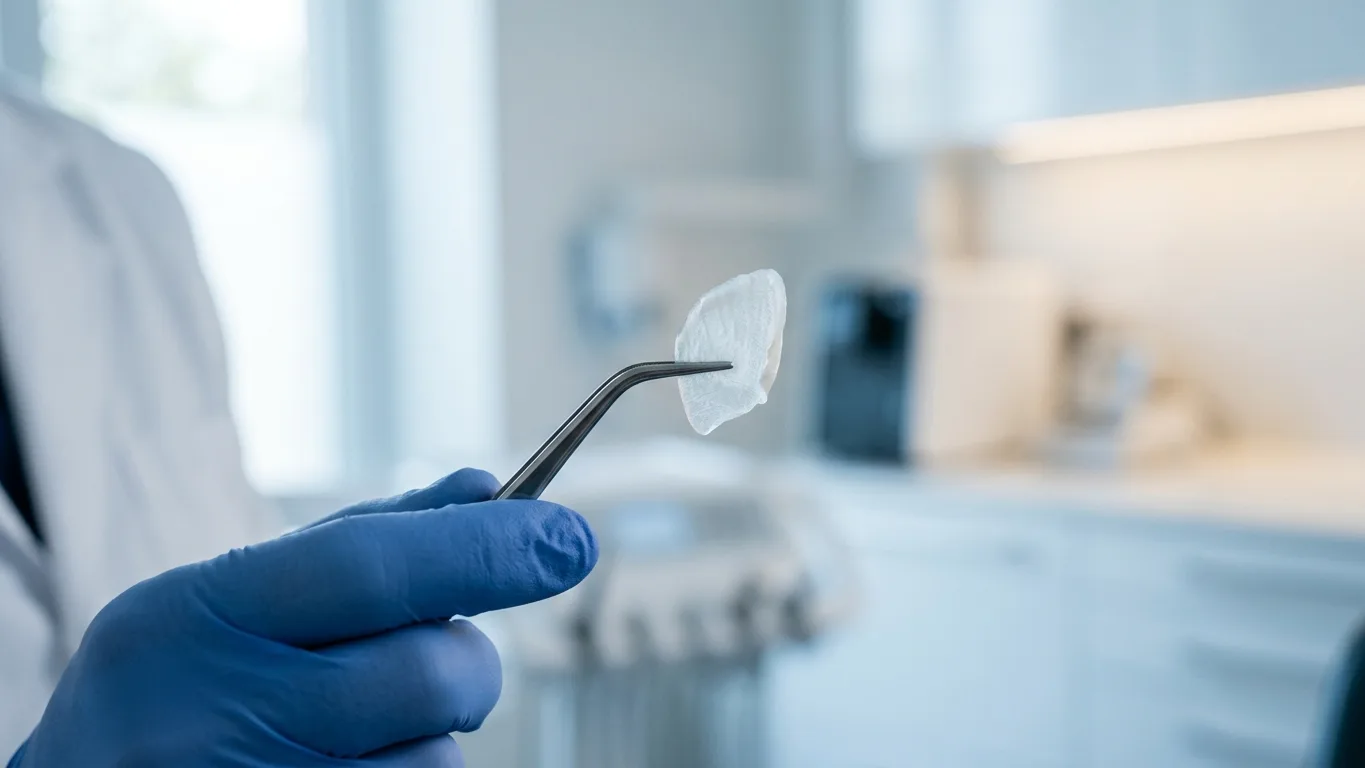
A thin ceramic shell, a finely prepared enamel surface and a light-activated adhesive together explain why veneers stay on for years.
The junction where a veneer meets the tooth is only a fraction of a millimeter wide, yet it largely decides whether the gum around it stays healthy for years.
A porcelain veneer case typically unfolds over several visits, each with a distinct job — records, design, a trial smile and final cementation.

Color, chips, gaps and shape each point to a different treatment — and only one of the three permanently alters the tooth.
Nighttime clenching and grinding load ceramic veneers in exactly the way porcelain handles worst, and a custom night guard is the main line of defense.
The most convincing veneer color is chosen relative to skin tone, the whites of the eyes and neighboring teeth rather than picked off a whitening scale.
Not every damaged veneer needs to come off — the right call depends on where the damage sits, why it happened and how much enamel is left underneath.

Porcelain itself endures for years; it is habits, bite forces and gumline changes that usually set the replacement clock.
The two restorations solve overlapping problems in different ways, and the deciding factor is usually how much healthy tooth each one asks you to give up.
Veneering one front tooth to blend invisibly with its natural neighbor is widely considered harder than veneering a whole smile.
Strength and translucency pull in opposite directions in ceramic, and each veneer material settles that tension at a different point.
Because ceramic does not bleach, the order in which whitening and veneers are done decides whether the final smile holds together as one color.

Grinding, thin enamel, gum disease and untreated decay can turn veneers into a short-lived fix — screening comes before smile design.
Some temperature sensitivity is common in the first weeks after bonding, but certain symptoms deserve a prompt call to the dental clinic.
What happens between dental visits — how you bite, brush and schedule checkups — has as much say in a veneer’s working life as the day it was bonded.