Veneers, Whitening or Bonding? Matching the Fix to the Flaw
Color, chips, gaps and shape each point to a different treatment — and only one of the three permanently alters the tooth.

A smile makeover rarely starts with a single obvious answer. Whitening, dental bonding and porcelain veneers address overlapping problems at very different levels of cost, commitment and permanence. Choosing well means matching the specific concern — not a general wish for a nicer smile — to the least invasive option that can deliver it.
The stakes differ sharply between the three. Whitening and bonding leave the tooth structurally untouched or nearly so, while veneers usually involve removing enamel that does not grow back. That difference in reversibility, more than price, is what dentists weigh first — and because tooth condition varies widely between individuals, the calculation is personal.
What each option actually does
Whitening lightens stains within the tooth using peroxide-based gels, making it the first stop for yellowing or dulling that has no structural cause. It cannot close gaps, fix chips or reshape edges, and results fade over months to years, needing periodic touch-ups. Dental bonding, by contrast, adds tooth-colored resin sculpted directly onto the tooth in a single visit, often with little or no drilling.
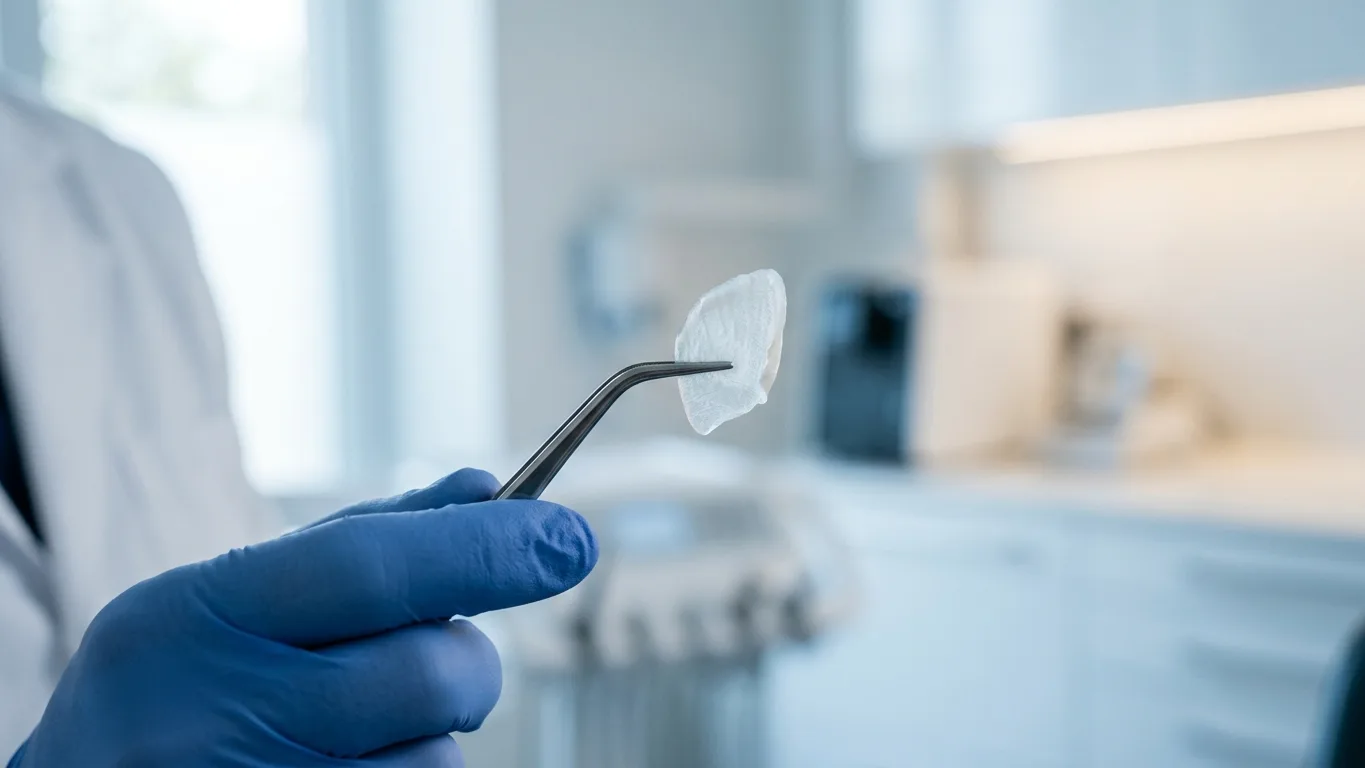
Bonding suits small chips, minor gaps and worn edges, but resin stains and chips more readily than ceramic. Porcelain veneers cover the whole front surface of the tooth, changing color, shape and minor alignment in one restoration. That breadth is why they are chosen for teeth with several problems at once — and why they involve the biggest commitment of the three.
The one-way door of enamel removal
Conventional veneer preparation removes a thin layer of enamel, and enamel does not regenerate. A tooth prepared for a veneer will need a veneer or another covering restoration for the rest of its life. Dentists describe this as a one-way door: worth walking through for the right tooth, but not one to enter casually.
Minimal-prep techniques narrow the door but do not remove it, and they are not realistic for every tooth. After preparation, temporary sensitivity is common, and bite and speech typically need an adaptation period before they feel natural. As with any restoration, complications such as debonding or chipping are possible down the line.
How dentists sequence the decision
In practice, dentists often work from the least invasive option upward. Whitening usually comes first even when other work is planned, because resin and ceramic are color-matched to the teeth as they are on the day of treatment. Bonding then handles localized flaws, and veneers are reserved for discoloration that resists bleaching or for teeth needing shape and color changes together.
How well each option works varies by individual — the type of staining, the thickness of remaining enamel and gum health all shift the answer. An in-person consultation with a dentist, with an exam and often photographs and X-rays, is needed before committing to any of the three.
Questions to sort your options
- Write down whether your concern is mainly color, shape, chips or spacing — each points to a different starting option.
- Ask whether whitening should come first, since bonded or ceramic work is color-matched to your teeth at the time of treatment.
- Ask how much enamel each option would remove and which choices keep the tooth intact.
- Compare expected upkeep: whitening top-ups, bonding repairs or eventual veneer replacement.
- Ask what results are realistic for your teeth, since staining type and enamel condition differ by individual.
MediIndex articles are for general information only and are not medical advice, diagnosis, or advertising. Outcomes vary by individual — consult a board-certified specialist for personal decisions.