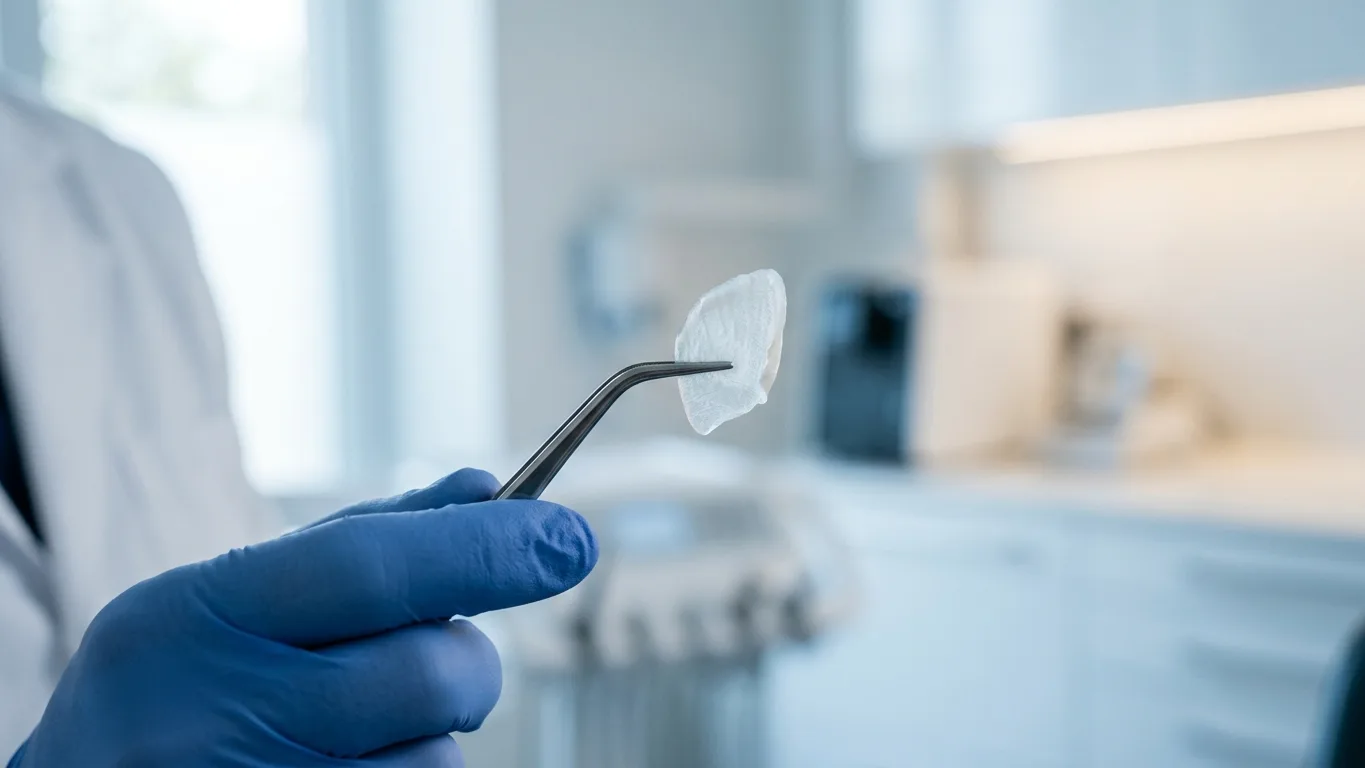
How Long Do Veneers Last — and What Wears Them Out
Porcelain itself endures for years; it is habits, bite forces and gumline changes that usually set the replacement clock.

Porcelain veneers are often described as a long-term restoration, and with good care they frequently serve for a decade or more. But longevity is not a property of the ceramic alone. It is the product of the bond, the bite and the daily habits of the person wearing them.
Survival times reported by dental outlets vary widely because mouths vary widely — bite force, enamel quality and gum health all differ between individuals. Understanding what actually ends a veneer’s life makes it easier to extend it.
Why porcelain endures — and how it fails
Dental porcelain resists staining and everyday wear better than composite resin, and its glazed surface keeps its gloss for years. Its hardness is broadly comparable to natural enamel, which is why well-made veneers blend in mechanically as well as visually. Under normal chewing, the ceramic itself is rarely the weak link.
When veneers do fail, three patterns dominate. Edges chip when they meet ice, pens, fingernails or hard crusts; the adhesive interface can break down over years, ending in debonding; and grinding or an accident can fracture the shell outright. These complications are possible even with careful technique, which is why follow-up visits matter.
The slow changes at the margins
Even an intact veneer sits on living tissue that keeps changing. Gums can recede over the years, exposing the junction between ceramic and root and making the margin visible. Plaque that collects along that line can also start decay in the natural tooth beneath — a veneer covers the tooth, it does not exempt it from cavities.
New veneers also need time. Mild sensitivity in the first weeks is common, and bite and speech typically settle over an adaptation period. Sensitivity that persists, or a margin that starts to feel rough much later, is a reason to have the restoration examined rather than a normal part of aging.
Habits that stretch the replacement cycle
Daily care for veneers looks like disciplined care for natural teeth. That means a soft brush with a low-abrasion toothpaste, flossing along the gumline where margins sit, and regular checkups where the dentist inspects the bond. People who grind benefit from a night guard, and no one should use veneered teeth to open packages or bite nails.
Replacement is part of the honest math. Removing an old veneer and re-preparing the tooth can cost a little more enamel each cycle, so stretching each set’s life protects the tooth itself. How long any one set lasts varies from person to person, and an in-person assessment by a dentist is the only way to judge where a particular veneer stands.
Your veneer longevity self-check
- Do you grind or clench at night? Ask about a night guard before small chips appear.
- Are you biting ice, pens or fingernails with veneered teeth?
- Are you flossing along the gumline where the veneer margins sit?
- Have you kept the regular checkups where margins and bonding are examined?
- Do you know what your dentist recommends doing first if a veneer loosens or chips?
MediIndex articles are for general information only and are not medical advice, diagnosis, or advertising. Outcomes vary by individual — consult a board-certified specialist for personal decisions.