
Eyes & Vision· 2 min read
Choi Jun-hee Reveals Repeat Incisional Eyelid Surgery
Choi Jun-hee said she underwent another incisional double-eyelid operation after her crease loosened slightly.
MediIndex Newsroom
Eyelid surgery, ptosis, and periorbital aging — explained without the hype.
Choi Jun-hee said she underwent another incisional double-eyelid operation after her crease loosened slightly.
The Korean ophthalmologists’ association opposed allowing nonphysicians to retrieve eyes from deceased donors, arguing that the procedure requires medical expertise tied to transplant outcomes.
The Korean Ophthalmologists Association advised patients to seek immediate eye care if their vision declines after semaglutide treatment, following a suspected domestic case of non-arteritic anterior ischemic optic neuropathy.
Cataract progression and disruption to daily life shape the decision to operate, while preoperative testing and postoperative care help reduce procedure-related risks.
The Korean Ophthalmological Society advised lifelong myopia care because glasses or vision-correction surgery do not remove the need to monitor related complications.
The Gwangju District Court ordered a doctor to pay KRW 5 million for violating a cataract patient's right to informed decision-making before and after same-day surgery.
Bayer presented 24-week SPECTRUM findings showing vision and retinal outcomes with Eylea 8 mg in routine care for neovascular age-related macular degeneration and diabetic macular edema.
Alcon highlighted PersonalEYES, known globally as WaveLight Plus, as a personalized vision-correction solution and shared clinical experience with its use.
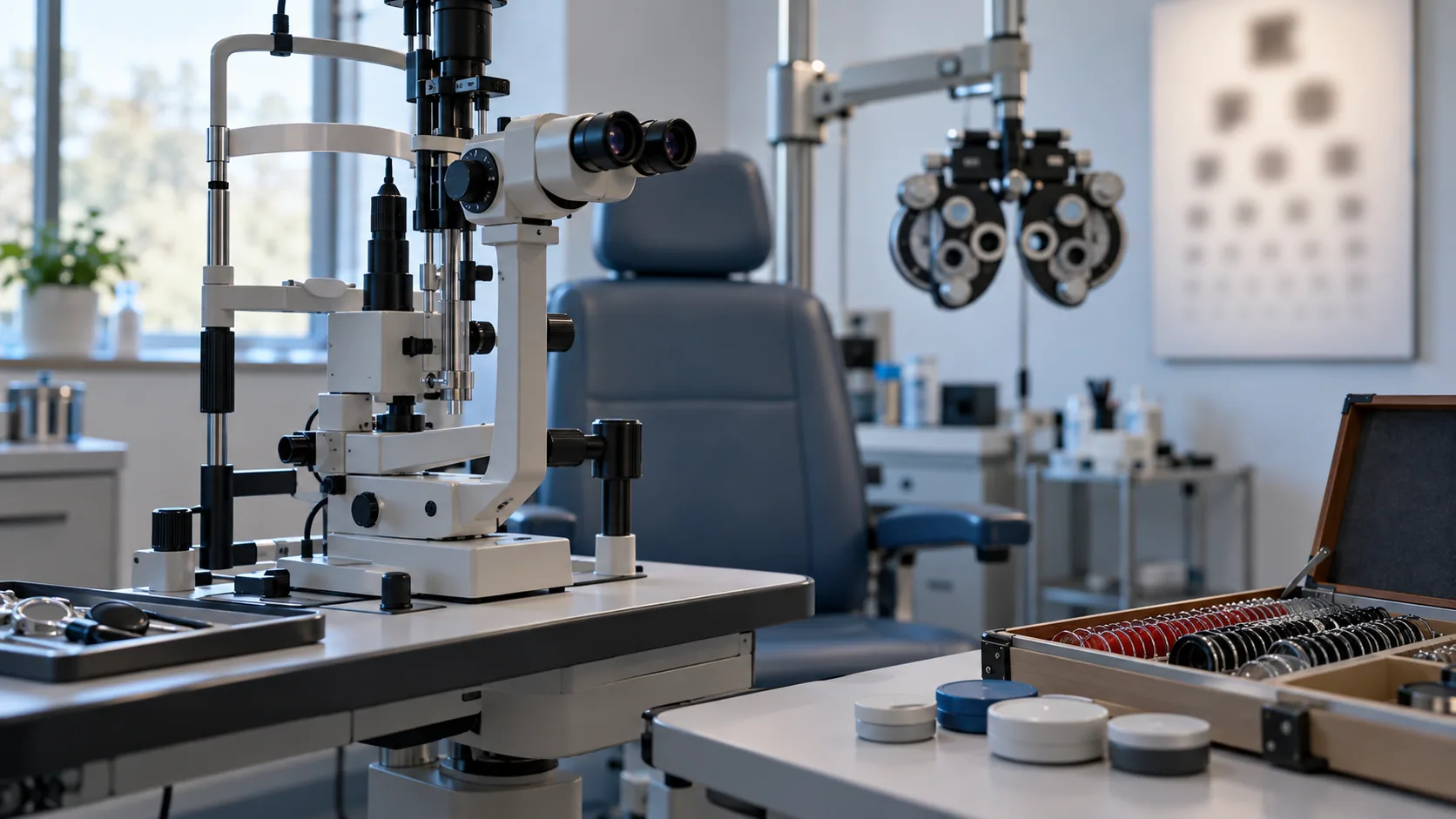
A Korean research team found that eyelid drooping or recurring muscle weakness in people with autoimmune disease may signal myasthenia gravis.
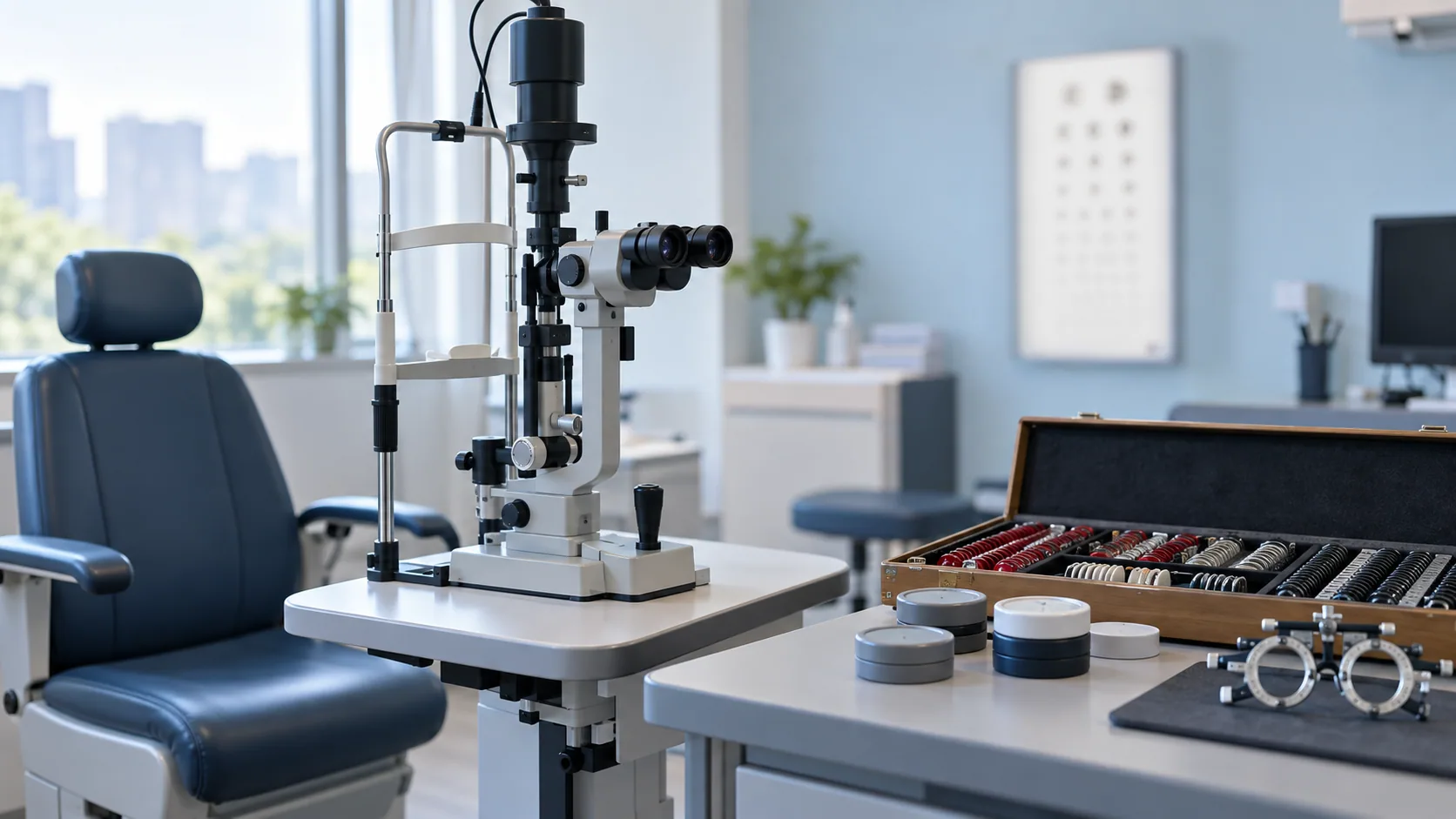
The Korean Ophthalmological Society proposed annual vision testing for every elementary school grade as part of a national system for detecting and managing childhood myopia.
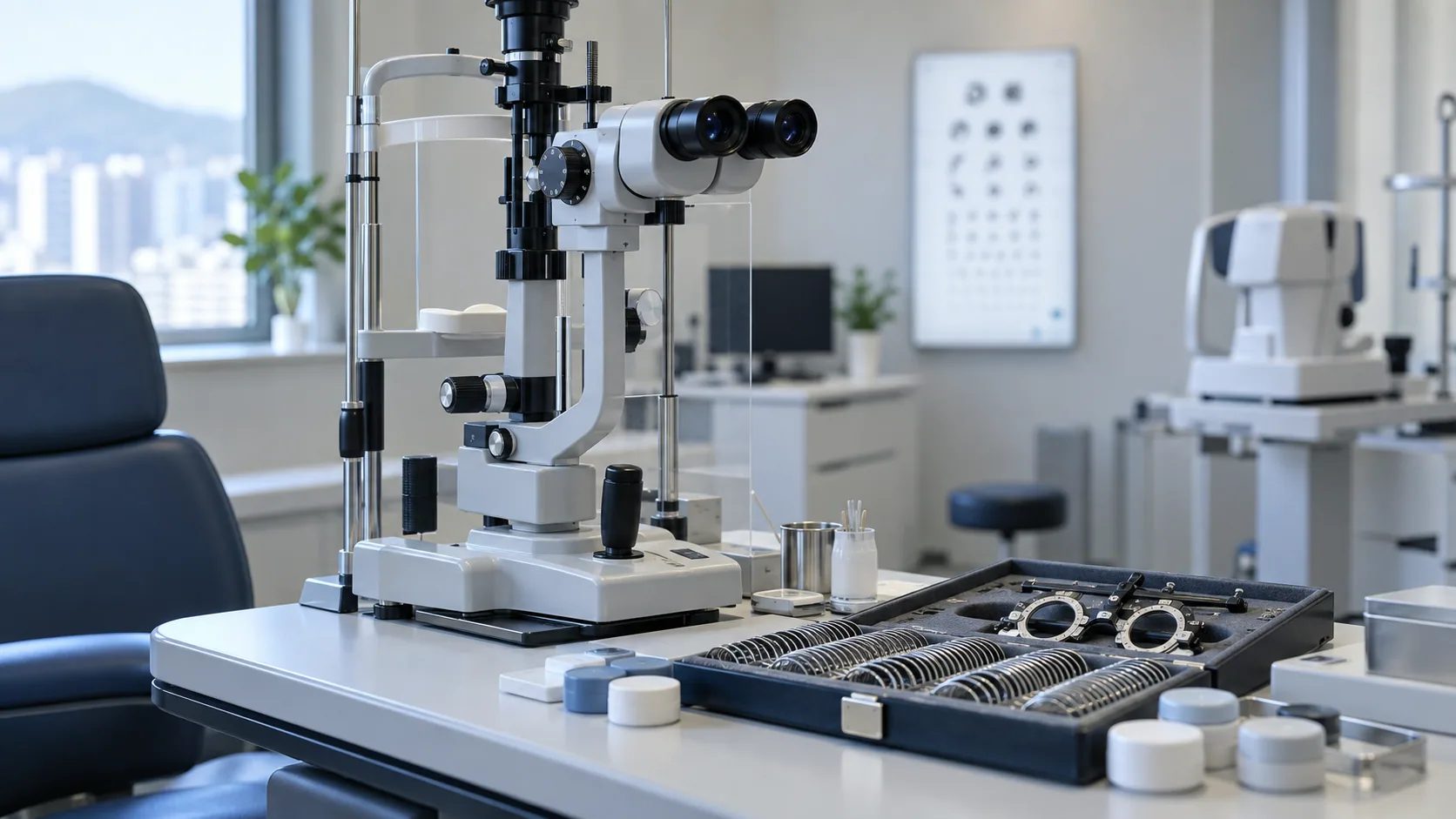
South Korea’s drug regulator approved Aju Pharm’s Latika Ophthalmic Solution 5% for improving corneal and conjunctival epithelial disorders in adults with dry eye disease.

A Yonsei University College of Medicine glaucoma team found that preserving central vision after severe glaucoma surgery was associated more closely with early postoperative eye pressure management than with the surgical method.
Double Eyelid Surgery: Timing and Line Choice — 26 reader questions, each answered in full with the caveats that matter.
Before Eyelid Surgery: Tests and Medications — 26 reader questions, each answered in full with the caveats that matter.
Eyelid Surgery Early Recovery — 26 reader questions, each answered in full with the caveats that matter.
Makeup, Lashes and Lenses After Eyelid Surgery — 26 reader questions, each answered in full with the caveats that matter.
Crease Loss, Asymmetry and Scars After Eyelid Surgery — 26 reader questions, each answered in full with the caveats that matter.
Eyelid Surgery Over the Long Run, and Aging — 26 reader questions, each answered in full with the caveats that matter.
Corner-of-the-eye procedures move only a few millimeters of tissue, yet those small shifts can change how open — or how strained — a face looks.

Incisional, buried suture and natural adhesion techniques create a crease in different ways — and each suits different eyes.
Moving under-eye fat can smooth a younger eye, but once the skin itself has stretched, lower blepharoplasty addresses layers that repositioning cannot reach.
Restoration surgery can rebuild an over-opened inner corner, but it works with scarred, shortened tissue — and that sets real limits.
Some hooded eyes are really a brow problem — and trimming eyelid skin when the brow has dropped can make the face look heavier, not lighter.

Blepharoptosis narrows the field of vision and tires the forehead — and its evaluation looks very different from a cosmetic fold consultation.
Suture-based ptosis correction tightens the eye-opening muscles without a skin incision — a fit for some eyelids, but not all.
Lowering or raising the outer corner of the eye shifts millimeters of anatomy but can noticeably soften or sharpen how a face reads.
Most post-surgical swelling follows a predictable arc — knowing that arc helps patients care for their eyes and spot the exceptions early.
Ptosis repair is usually packaged with double eyelid surgery, but the lifting muscle can be strengthened while deliberately keeping the monolid intact.

Moving bulging orbital fat into the tear trough smooths a shadowed contour — but it does not erase pigment-driven dark circles.
Pigment, shadow-casting structure and visible vessels each darken the under-eye by a different mechanism, which is why one remedy rarely fits all.
Loose eyelid skin and a weak lifting muscle produce a similar tired look but call for different operations — and older eyes often have both.
Most men asking about eyelid surgery want a less tired look without an obvious crease — a goal that calls for different techniques than the standard playbook.

A loosened, deep or asymmetric fold can often be improved — but timing, scar tissue and remaining skin set real limits.
The same double eyelid operation produces very different faces depending on where the line starts and how high it runs — and that design is anatomy first, taste second.