
Pet Health· 27 min read
Dog Skin, Ear and Eye Warning Signs, Answered
Dog Skin, Ear and Eye Warning Signs — 26 reader questions, each answered in full with the caveats that matter.
Yoondo Huh
Veterinary oncology, dermatology, and senior-pet care for real owners.
Dog Skin, Ear and Eye Warning Signs — 26 reader questions, each answered in full with the caveats that matter.
Reading Health Signals in Cat Behaviour — 26 reader questions, each answered in full with the caveats that matter.
Puppy Vaccination Schedules — 26 reader questions, each answered in full with the caveats that matter.
Foods That Are Toxic to Pets — 26 reader questions, each answered in full with the caveats that matter.
Spotting a Pet Emergency — 26 reader questions, each answered in full with the caveats that matter.
Caring for a Senior Dog or Cat — 26 reader questions, each answered in full with the caveats that matter.
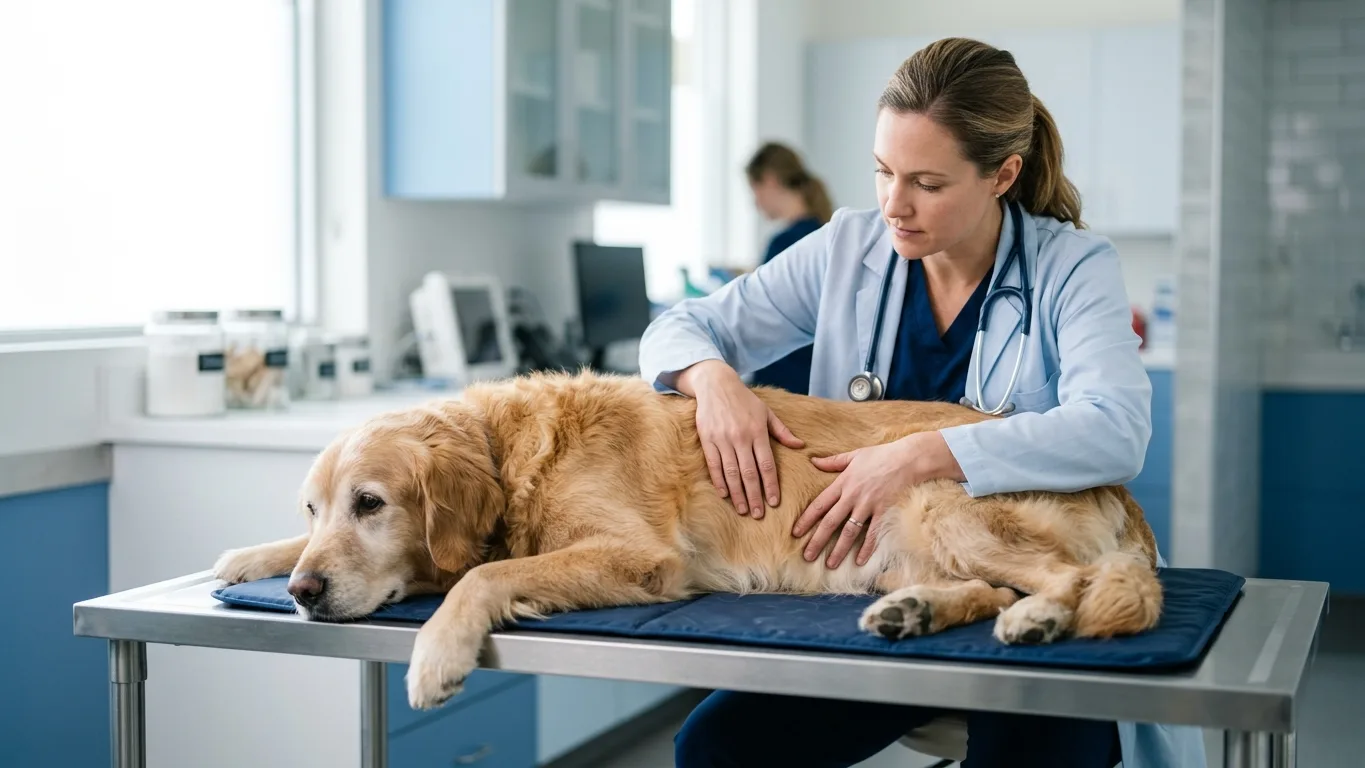
Veterinarians explain why mammary lumps are so common in unspayed older dogs, and why surgery with a pathology report remains the standard of care.
Year-round scratching and seasonal flare-ups point in different directions, and the supervised elimination diet remains the tool veterinarians trust to separate food from environment.
A gallbladder mucocele can build for months without obvious signs, which is why veterinarians lean on abdominal ultrasound to catch it before it ruptures.

Recurring ear trouble in dogs is often allergy in disguise, and veterinarians say the fix starts with a workup, not leftover drops.
The four-grade scale describes how easily a dog’s kneecap slips out of place, and it frames—though never settles by itself—the question of when surgery enters the conversation.
Monthly preventives work by looking backward, not forward, and that quirk explains why testing comes first whenever prevention has lapsed.
The old six-month rule has given way to a size-and-breed conversation that weighs tumor and infection prevention against growth and joint considerations.
Dogs rarely cry out from arthritic pain; they simply do less, and veterinarians say that slow retreat is the sign families overlook most.
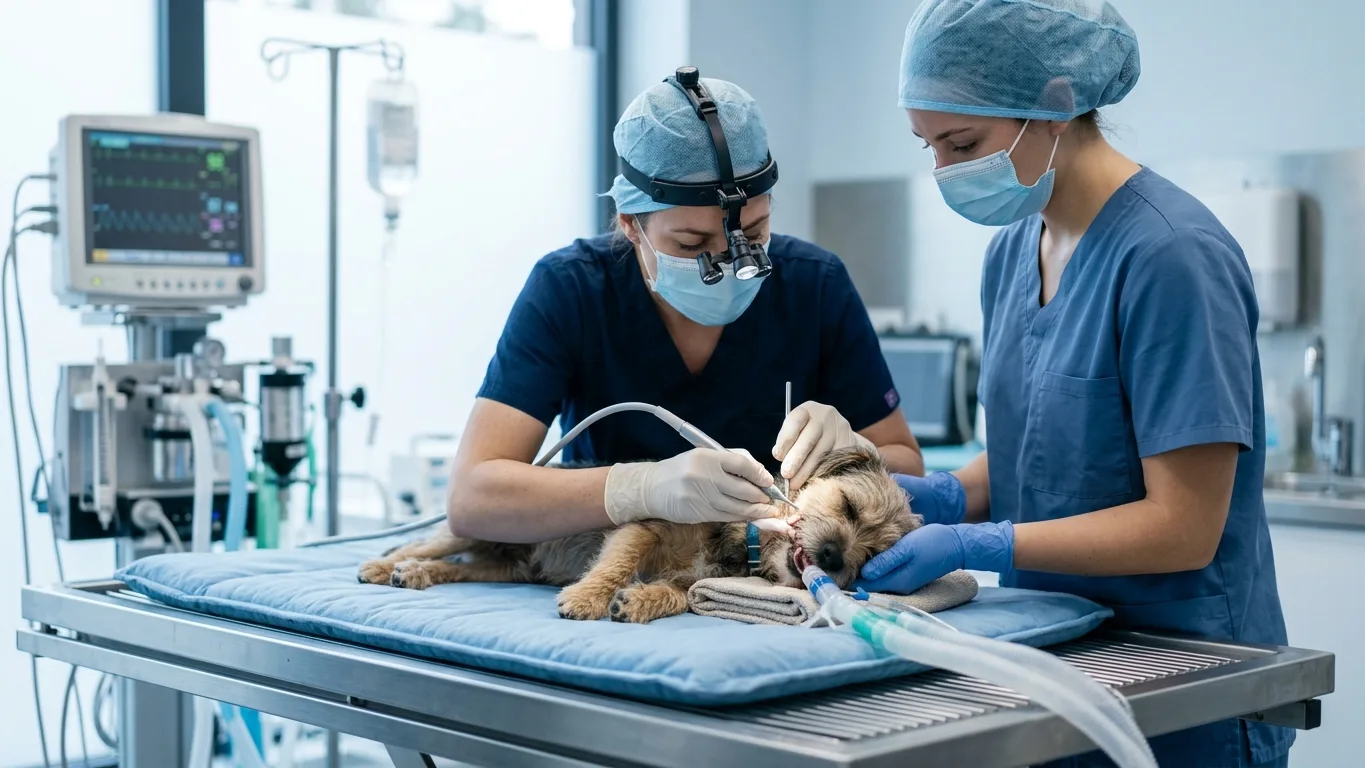
Anesthesia-free cleanings polish what you can see; veterinary dentistry treats what you cannot, and that difference lives below the gumline.
The infected uterus of an unspayed older female can turn life-threatening within days, and the window for recognizing it often opens in the weeks after a heat cycle.
Tucked deep in the abdomen, the spleen can grow a sizable mass before anything seems wrong, which is why veterinarians lean on imaging and a stepwise workup.
Whether a dog’s bladder stone can be dissolved with food or must come out in surgery depends almost entirely on what the stone is made of.
Extraction sounds drastic, but for fractured teeth, resorptive lesions and leftover roots it is often the treatment that finally ends hidden mouth pain.
A single upset stomach and a brewing emergency can look alike at first, so veterinarians draw the line with a short list of red flags rather than wishful waiting.
Pre-anesthetic testing is less about passing or failing and more about tailoring the anesthesia plan to the animal on the table.
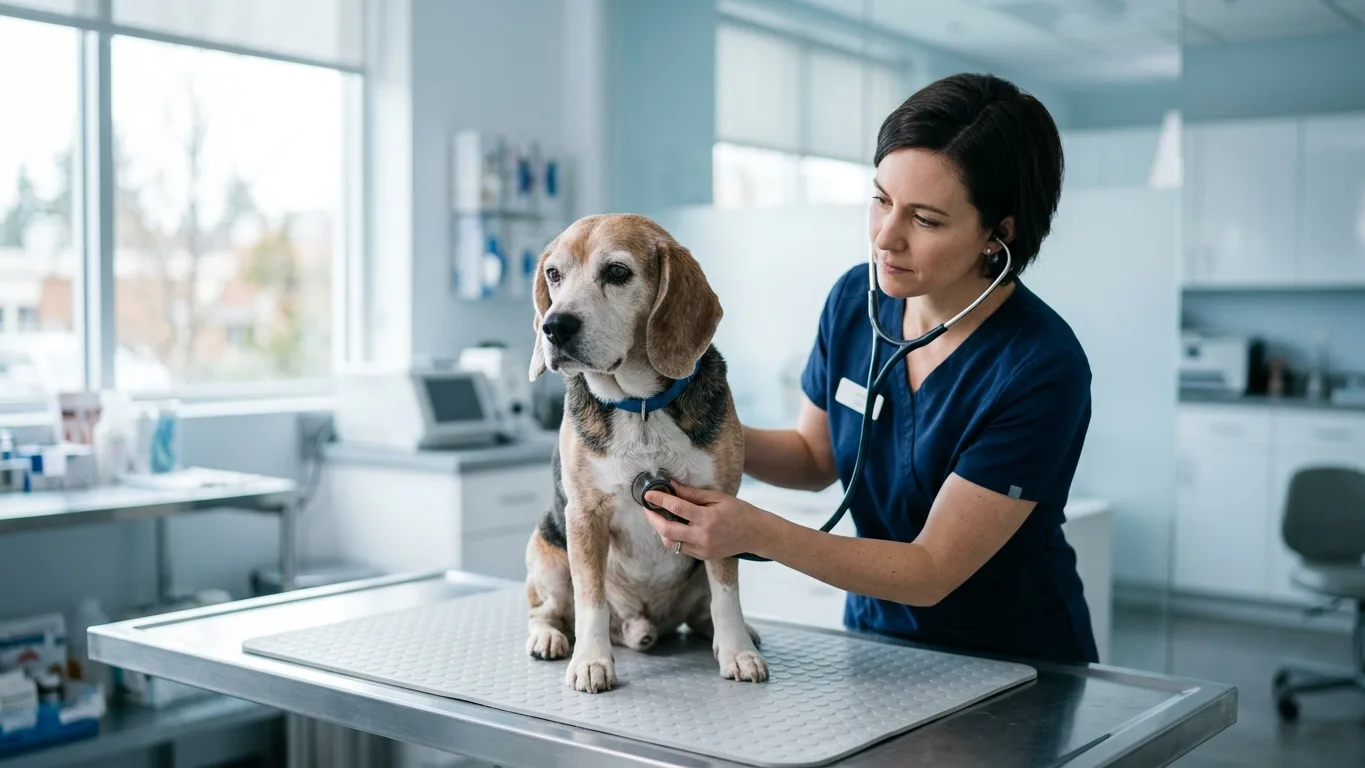
Bloodwork, X-rays and ultrasound each catch different diseases early—and aging dogs give them a shorter window to work with.