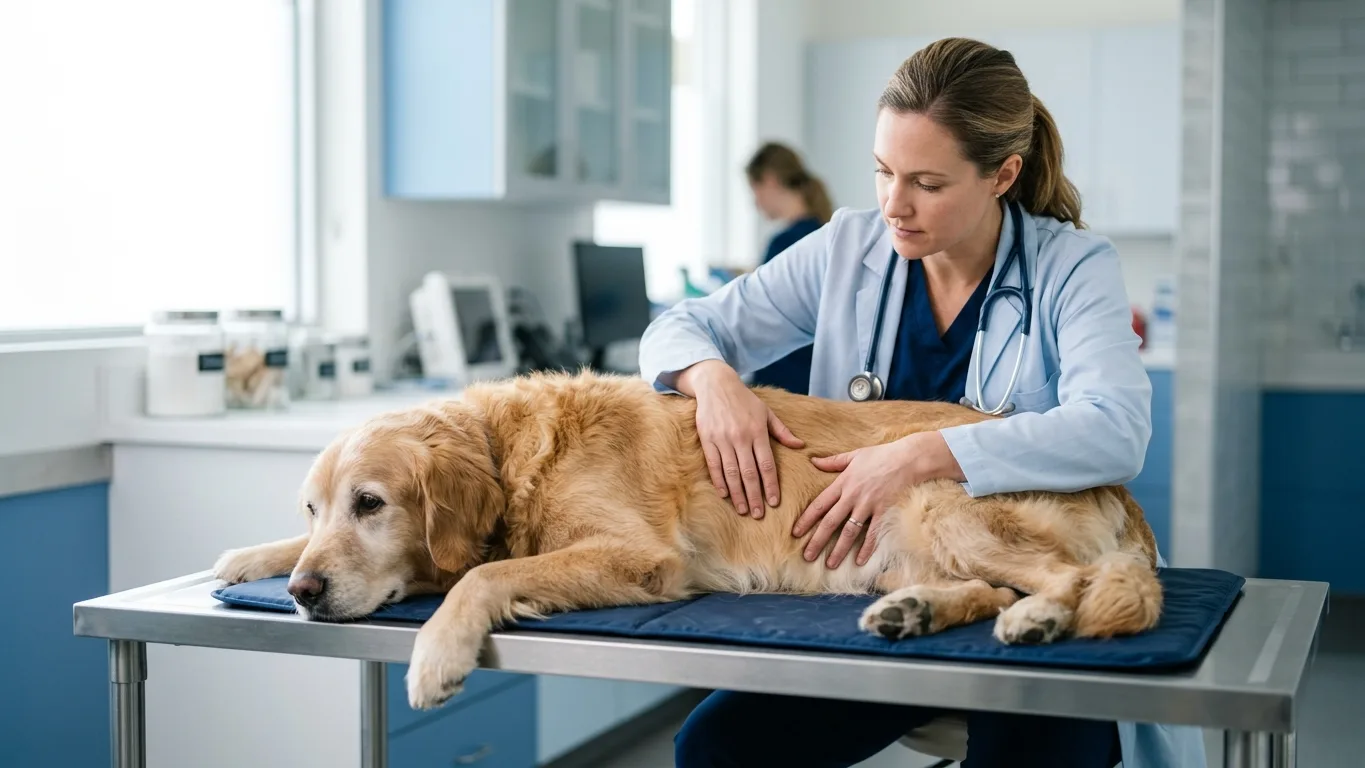
Pet Dental Scaling: Why It Belongs Under Anesthesia
Anesthesia-free cleanings polish what you can see; veterinary dentistry treats what you cannot, and that difference lives below the gumline.
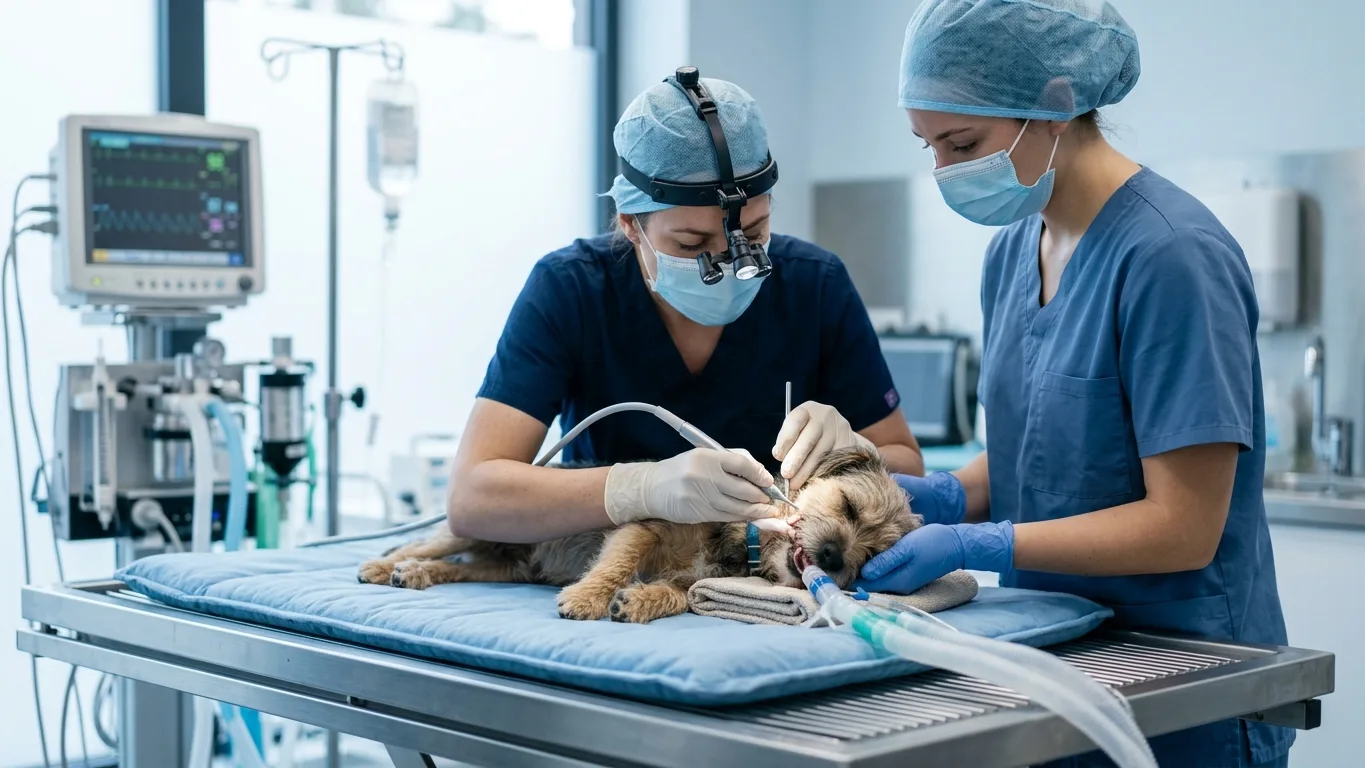
Dental disease is one of the most common problems veterinarians find in adult dogs and cats, and much of it hides where owners cannot see. Tartar above the gumline is the visible tip; the disease that loosens teeth and seeds infection works below it, along the roots. Reaching that zone safely and thoroughly is what professional scaling under anesthesia is for.
Anesthesia-free scaling, offered in some grooming and retail settings, is discouraged by major veterinary dental organizations. Scraping visible tartar off an awake animal can leave teeth looking cleaner while periodontal disease continues underneath, and the restraint involved is stressful and carries injury risk. Whiter crowns are not the same thing as a healthier mouth.
What anesthesia makes possible
Under anesthesia, the veterinary team can probe every tooth, scale below the gumline where periodontal disease actually lives, and polish surfaces so plaque returns more slowly. Dental X-rays—impossible to take properly on an awake pet—reveal root abscesses, bone loss and fractured roots that look normal from above. A tooth that cannot be saved can be extracted in the same session, sparing the animal a second procedure.
None of this is possible when the patient can move, bite or panic. An awake cleaning is limited to what a scraper can reach on a cooperative surface, which is why veterinary dental groups describe it as cosmetic. The mouth may look better in photos while painful disease advances out of sight.
Pre-anesthetic testing sets the safety net
Modern veterinary anesthesia is far safer than many owners assume, but it is never zero-risk, and honest clinics say so. That is why scaling begins days earlier with a physical exam and pre-anesthetic bloodwork to check liver, kidney and blood values, sometimes joined by chest imaging or heart checks in older patients. The results shape the drug protocol and can postpone the procedure if something needs attention first.
Anesthetic risk also varies with the individual animal—age, breed, weight and hidden disease all matter—so the plan is tailored rather than standardized. During the procedure, monitoring equipment and a dedicated team track heart rate, blood pressure and oxygen levels. Complications remain possible despite all of this, which is why the screening and monitoring exist in the first place.
The days after, and the months after
Most pets go home the same day and act like themselves within a day or two, though recovery speed differs between animals. After extractions, expect a stretch of softened food and an observation period while gums heal, plus an in-person recheck so the veterinarian can confirm healing directly. Swelling, reluctance to eat or bleeding that persists warrants a call to the clinic, not watchful waiting.
Scaling resets the mouth; home care keeps it that way. Daily tooth brushing with pet toothpaste is the backbone, with vet-recommended dental diets and chews as support, and the interval until the next professional cleaning depends on how well home care sticks. Bad breath, drooling or a pet that chews on one side are signals to book a veterinary dental exam rather than reach for home remedies.
Before the dental appointment
- Follow the clinic’s fasting instructions for food and water to the letter.
- Share every medication and supplement your pet takes before the anesthesia consult.
- Point out broken or discolored teeth and any mouth odor you have noticed at home.
- Set up a quiet recovery space at home for the first night.
- Ask which brushing tools and dental products the veterinary team recommends.
MediIndex articles are for general information only and are not medical advice, diagnosis, or advertising. Outcomes vary by individual — consult a board-certified specialist for personal decisions.