Before the Anesthesia: What a Pre-Surgical Workup Really Checks
Pre-anesthetic testing is less about passing or failing and more about tailoring the anesthesia plan to the animal on the table.
For many owners, the scariest word in a surgical estimate is not the procedure—it is the anesthesia. Pre-anesthetic risk assessment exists to shrink that unknown: a structured look at organs, blood and heart before any drug is drawn up. Understanding what the workup actually measures makes the consent form far less mysterious.
No workup can remove anesthetic risk entirely, and veterinarians are careful to say so. What testing does is surface the problems that change how anesthesia is done—which drugs, how much fluid, what monitoring—so surprises are moved from the operating table to the planning stage. Because risk differs between individual animals, the same operation can come with very different plans for two different dogs.
What the blood panel is really asking
Anesthetic drugs are processed by the liver and cleared through the kidneys, so the chemistry panel is essentially asking whether those organs can handle the day’s medications. A complete blood count checks for anemia, infection markers and the platelets needed for clotting. Values outside the expected range do not automatically postpone surgery—they inform drug choices, fluid plans and how closely recovery is watched.
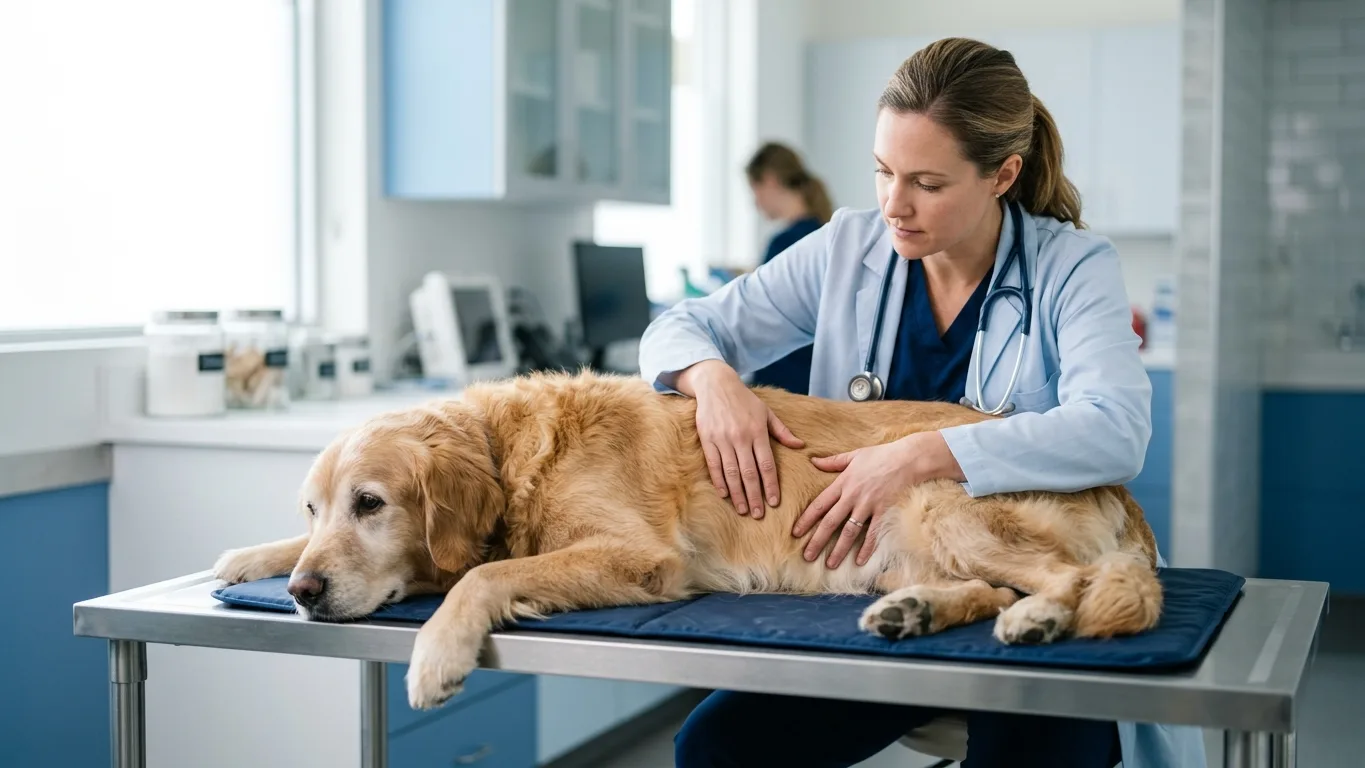
Just as important is the part with no needles: a hands-on physical exam and history taken the same day. Heart and lung sounds, gum color, hydration and any recent vomiting or coughing all feed the assessment, which is why clinics insist on an in-person veterinary exam even when recent bloodwork exists. Veterinary teams commonly distill the whole picture into a physical-status grade that guides the anesthesia plan.
When imaging and heart tests join in
Not every patient needs imaging, but chest X-rays are commonly added for older animals, and an ultrasound of the heart may follow when a murmur or rhythm abnormality is heard. These tests look for conditions that change anesthetic drug choices or call for extra monitoring. As with all imaging, the pictures require veterinary interpretation—an X-ray is a data point for the anesthetist, not a document for owners to grade at home.
Findings change plans in concrete ways: a heart issue may shift the drug protocol and add blood-pressure monitoring, mild kidney changes may bring fluids before and after the procedure, and an unexpected finding can postpone an elective surgery until it is sorted out. Postponement is not lost time—it is the risk assessment doing its job. The alternative, discovering the same problem mid-anesthesia, is the scenario the whole workup exists to avoid.
From risk grade to recovery room
On the day itself, the assessment continues through the procedure: a trained team tracks heart rate, blood pressure, oxygen and temperature, adjusting in real time. Even with thorough preparation, complications remain possible—reactions to drugs, blood-pressure dips or slow wake-ups among them—which is why monitoring does not stop when the surgery does. The recovery period, from wake-up through the first quiet days at home, is treated as part of the anesthetic event.
Owners hold two levers of their own. Following fasting instructions precisely keeps the airway safer during induction, and reporting every medication, supplement and past anesthetic reaction lets the team plan around them. After discharge, watch appetite, energy and the surgical site—and if wobbliness, vomiting or breathing changes persist at home, see a veterinarian.
Before surgery day
- Confirm fasting instructions—when food and water stop—and follow them exactly.
- List every medication and supplement, and ask which ones to give on the morning of surgery.
- Report any past anesthesia and how your pet recovered, including anything unusual.
- Mention recent coughing, tiring on walks or fainting episodes, however minor.
- Plan a quiet recovery space at home and time to observe your pet the first evening.
MediIndex articles are for general information only and are not medical advice, diagnosis, or advertising. Outcomes vary by individual — consult a board-certified specialist for personal decisions.