Arthritis in Senior Dogs: The Quiet Signs Owners Often Miss
Dogs rarely cry out from arthritic pain; they simply do less, and veterinarians say that slow retreat is the sign families overlook most.
Osteoarthritis is one of the most common chronic conditions in older dogs, yet it hides in plain sight. Dogs are wired to mask discomfort, so instead of limping dramatically, most simply hesitate at stairs, shorten their walks or stop jumping onto the sofa. Families often file those changes under normal aging, and the disease advances quietly.
The encouraging news is that arthritis management has many levers, from weight control and home adjustments to prescription pain relief and rehabilitation. What works, and how well, varies between individual dogs—age, breed, body condition and other illnesses all shape the plan. That is why the starting point is an in-person veterinary exam, not a supplement bought online.
The signs that hide as habits
Early arthritis usually shows up as stiffness after rest that eases with movement, reluctance on stairs or slick floors, and a slower first few minutes of every walk. Some dogs lick repeatedly at one joint, shift weight off a leg while standing or become irritable when touched over the hips or back. Appetite and sleep can change too, because chronic pain wears on the whole dog.
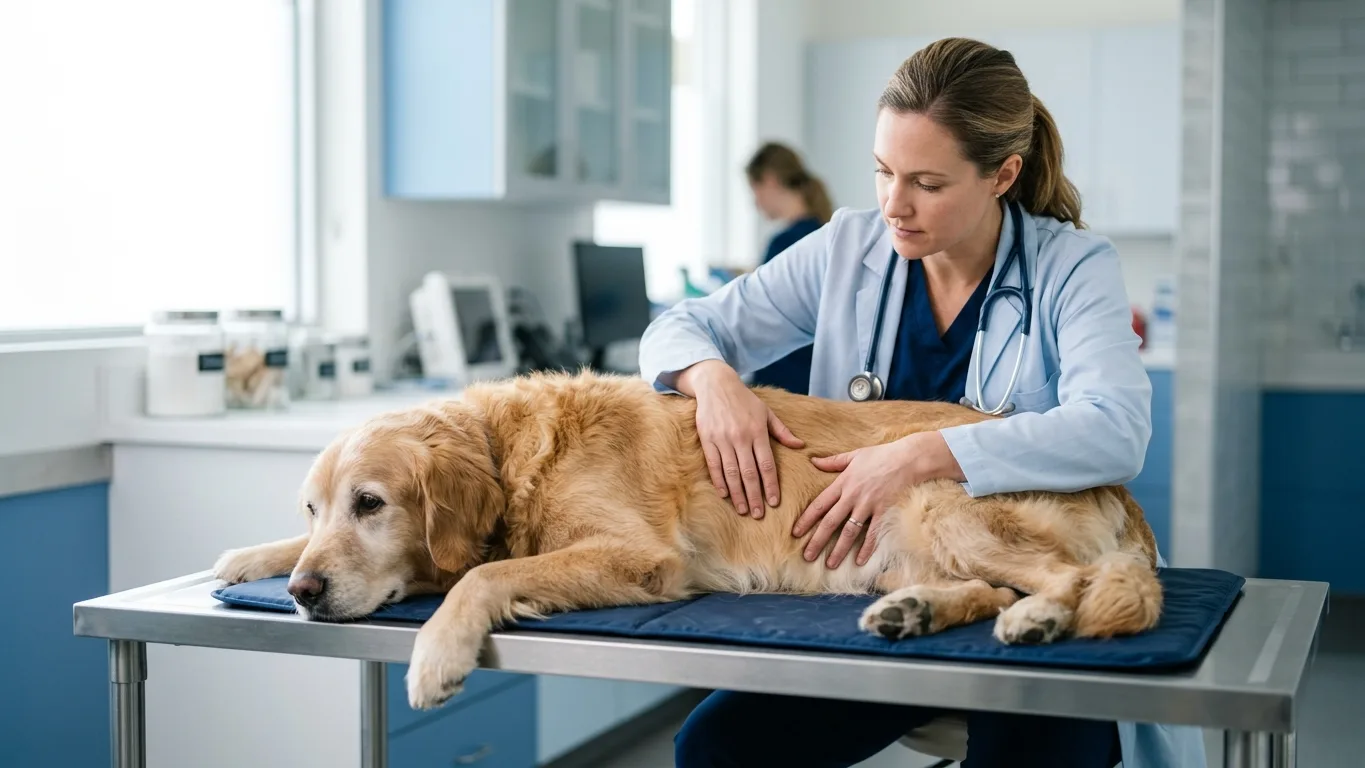
None of these signs proves arthritis on its own—heart disease, neurologic problems and other conditions can look similar in an aging dog. A veterinarian sorts them apart with a hands-on joint exam and, when needed, X-rays, and those images require veterinary interpretation rather than a family’s comparison to pictures online. If several of these changes sound familiar, the next step is to see a veterinarian.
Weight and the home floor plan
Excess weight is the single biggest owner-controlled factor in arthritic pain, because extra body weight lands directly on inflamed joints. Veterinarians typically set a target body condition and a gradual diet plan rather than an abrupt cut, with weigh-ins to track progress. Even modest weight loss often translates into visibly easier movement.
The home matters nearly as much. Rugs or mats on slippery floors, a ramp to the car or sofa, a firm orthopedic bed and raised food bowls all reduce daily strain, and short, regular walks protect muscle better than weekend marathons. What suits one dog may overwhelm another, so exercise plans should be adjusted with the veterinary team as the disease evolves.
What the clinic can add
Prescription options include veterinary anti-inflammatory drugs, newer injectable pain medications and adjunct therapies such as physical rehabilitation, laser or acupuncture, chosen case by case. Pain medication is never a set-and-forget purchase: complications such as stomach upset or kidney and liver strain are possible, so veterinarians pair long-term drugs with periodic bloodwork. Owners should report vomiting, black stools or appetite loss during treatment right away.
Arthritis is managed, not erased, so expectations are set in weeks rather than days. After any medication change veterinarians build in an observation period to judge response, and after a pain flare dogs need a short recovery period of reduced activity before rebuilding exercise. With steady rechecks, most families find a routine that gives their senior dog comfortable, active years.
Before your vet visit
- Film a short video of your dog rising, walking and using stairs to show the veterinarian.
- Track which activities your dog now avoids and when the change began.
- Weigh your dog if possible and bring recent diet details, treats included.
- List every joint supplement or pain product you have tried, with doses.
- Note flooring and stairs at home so the team can suggest practical changes.
MediIndex articles are for general information only and are not medical advice, diagnosis, or advertising. Outcomes vary by individual — consult a board-certified specialist for personal decisions.