
Korean Societies Define Limits on Mammotome Use for Breast Tumors
The Korean Breast Cancer Society and the Korean Association of Breast and Thyroid Surgeons jointly issued guidance that rules out Mammotome removal for tumors strongly suspected or confirmed to be malignant.
This article was automatically drafted and passed editorial compliance checks. It synthesizes public source metadata and is not a substitute for individual care or clinical review.
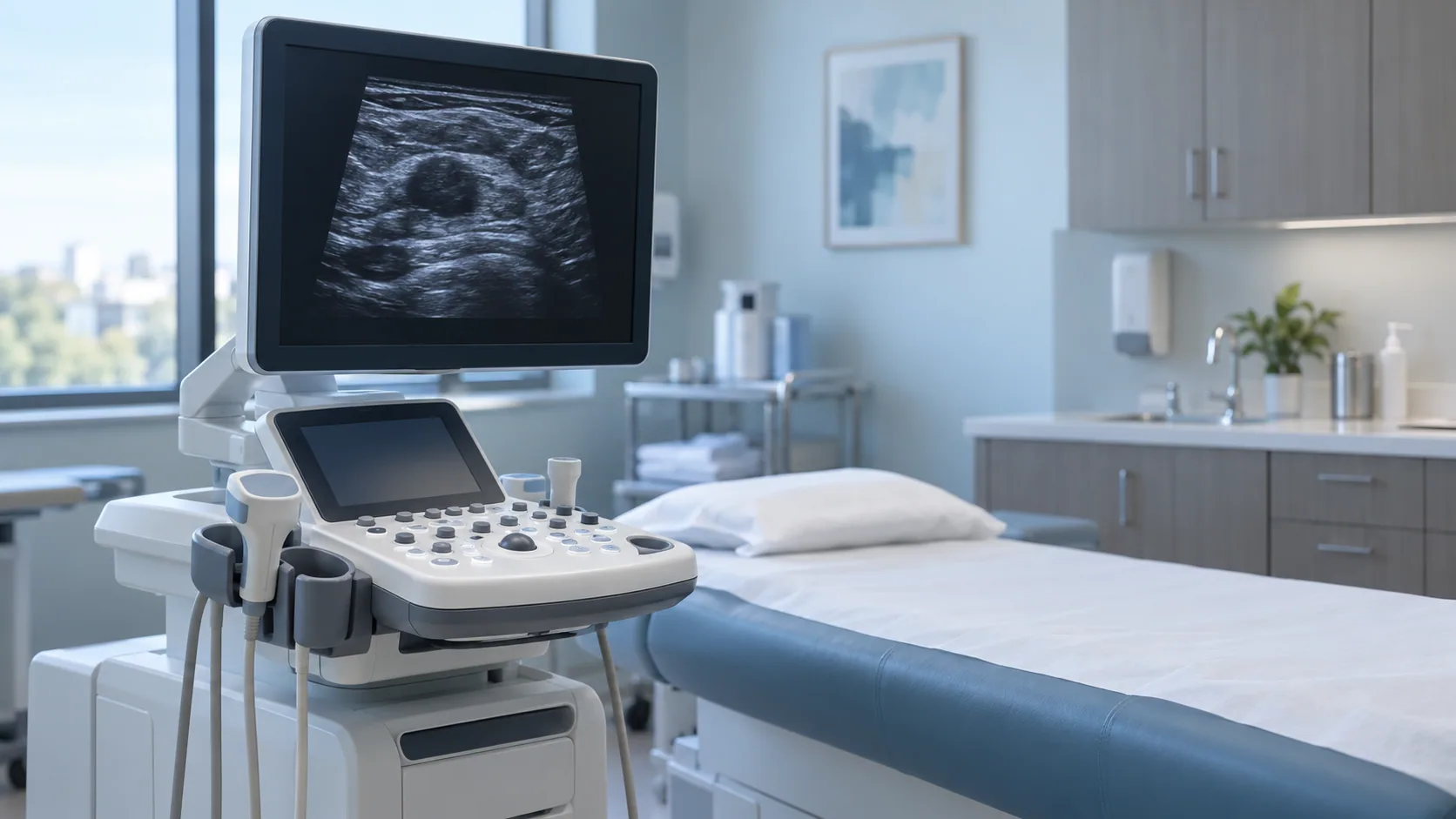
The joint guidance draws a clinical boundary between benign breast lesions that may be considered for vacuum-assisted removal and tumors requiring a different treatment pathway because malignancy is strongly suspected or confirmed. This makes diagnostic classification, rather than breast pain alone, central to deciding whether Mammotome is appropriate.
Diagnosis Determines the Treatment Path
The two societies state that Mammotome should not be performed when breast cancer is strongly suspected or when a biopsy has confirmed malignancy. For a lesion assessed as benign, vacuum-assisted removal may be considered without a surgical incision, using a needle under local anesthesia.
Rapportian notes that breast pain can arise from hormonal changes linked to the menstrual cycle or benign breast disease, so pain by itself does not determine whether a lesion is cancerous. A lump or microcalcification found during testing also requires evaluation before a removal method is selected.
Frequently asked questions
Can Mammotome be used for confirmed breast cancer?
No. The Korean Breast Cancer Society and the Korean Association of Breast and Thyroid Surgeons state that Mammotome should not be performed for a tumor confirmed as malignant by biopsy or strongly suspected to be cancer.
Does breast pain alone mean I have breast cancer?
No. Breast pain can have several causes, including menstrual-cycle hormonal changes and benign breast disease. The nature of a lesion must be assessed through appropriate testing rather than pain alone.
Questions to Ask Before Mammotome Removal
- Has the lesion been classified as benign, suspicious, or malignant?
- Is a biopsy needed before choosing a removal method?
- If malignancy is suspected, what treatment pathway should replace Mammotome removal?
MediIndex articles are for general information only and are not medical advice, diagnosis, or advertising. Outcomes vary by individual — consult a board-certified specialist for personal decisions.