
Developments in Breast Cancer Screening AI and Targeted Chemotherapy Regimens
This briefing outlines recent clinical reports on AI-assisted breast cancer screening and updated chemotherapy regimens for specific breast cancer subtypes, though it cannot determine individual treatment suitability.
This article was automatically drafted and passed editorial compliance checks. It synthesizes public source metadata and is not a substitute for individual care or clinical review.
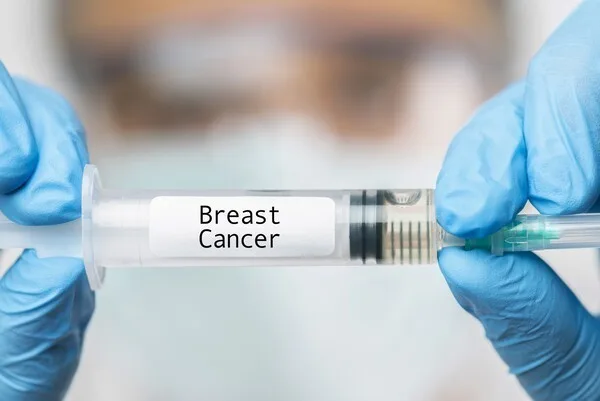
Recent developments in breast health and oncology highlight a dual focus on early detection technologies and highly tailored therapeutic regimens. Medical institutions globally are increasingly adopting artificial intelligence (AI) platforms to streamline breast cancer screening and diagnostic workflows. Concurrently, clinical trials are refining the standard of care for aggressive breast cancer subtypes, aiming to improve survival outcomes through optimized drug combinations.
These advancements underscore the shifting landscape of breast cancer management, where digital health tools and targeted pharmacology work in tandem. While AI solutions expand their reach in major healthcare networks across Europe and the United States, clinical researchers are reporting significant progress in treating triple-negative and HER2-positive breast cancers. Understanding these updates helps patients navigate their options during clinical consultations.
Advancements in AI Screening and Targeted Drug Regimens
In the field of diagnostics, medical AI companies are expanding their global footprint by supplying comprehensive breast cancer screening platforms to major healthcare providers in the United Kingdom and the United States. These digital solutions aim to support clinical workflows from imaging analysis to screening operations. On the therapeutic front, clinical trials have demonstrated that adding carboplatin to standard anthracycline and taxane-based neoadjuvant chemotherapy significantly improves event-free survival for patients with early triple-negative breast cancer (TNBC).
Additionally, the treatment paradigm for HER2-positive breast cancer is evolving with the introduction of newer agents. While the combination of pertuzumab, trastuzumab, and a taxane remains the preferred first-line standard, clinical guidelines are shifting for second-line therapies. Recent Phase 3 clinical trials show that trastuzumab deruxtecan (T-DXd) offers superior progression-free survival and response rates compared to the older standard, trastuzumab emtansine (T-DM1), establishing it as a preferred alternative.
Clinical Limitations and Patient Safety Considerations
While these clinical developments offer promising pathways, they are accompanied by inherent limitations and risks. Introducing new chemotherapeutic agents like carboplatin or transitioning to advanced targeted therapies can lead to distinct side effects that require careful monitoring. Furthermore, the success of these treatments depends heavily on individual variation, meaning that a regimen highly effective for one patient may not yield the same results for another.
Additionally, the integration of AI screening tools is designed to assist clinicians rather than replace expert medical judgment. Patients undergoing breast cancer screening or active treatment must undergo thorough evaluation to determine the most appropriate path. Factors such as overall health, tumor characteristics, and expected recovery times must be balanced before modifying any therapeutic approach.
Navigating Treatment Decisions Through Professional Consultation
Deciding on a breast cancer screening method or a specific chemotherapy regimen requires close collaboration with a qualified medical team. Patients should actively consult their oncologists to understand how these recent clinical findings apply to their specific diagnosis. Discussing the potential benefits of adding platinum-based agents or utilizing newer antibody-drug conjugates can help clarify the expected therapeutic trajectory.
Ultimately, personalized medicine remains the cornerstone of effective breast care. By discussing individual health profiles, potential side effects, and recovery expectations, patients can make informed decisions. A structured consultation ensures that any integration of new technologies or pharmaceutical agents aligns safely with the patient's long-term health goals.
Frequently asked questions
Does adding carboplatin to chemotherapy always improve survival for triple-negative breast cancer?
Clinical trial data shows that adding carboplatin to standard anthracycline and taxane-based neoadjuvant chemotherapy significantly improves event-free survival in early triple-negative breast cancer. However, individual response can vary, and it may introduce additional side effects. You must consult your oncologist to determine if this combination is suitable for your specific diagnosis.
What is the current standard second-line treatment for HER2-positive breast cancer?
While T-DM1 was long the standard second-line therapy, clinical guidelines are shifting toward T-DXd due to its superior progression-free survival and response rates in Phase 3 trials. The choice of drug depends on individual tumor characteristics and prior treatment history. A qualified clinician can help evaluate which option aligns with your recovery goals.
Questions to Ask Your Clinician About Breast Care and Treatment
- Is AI-assisted screening available or recommended for my routine breast exams?
- Would adding carboplatin to my chemotherapy regimen be beneficial for my specific stage of triple-negative breast cancer?
- What are the potential side effects and expected recovery timeline for the recommended targeted therapies?
- How do individual variations in tumor markers affect my eligibility for newer second-line drugs like T-DXd?
MediIndex articles are for general information only and are not medical advice, diagnosis, or advertising. Outcomes vary by individual — consult a board-certified specialist for personal decisions.