Korean Eye Doctors Call for Telemedicine Safety Standards
This briefing outlines recent discussions on establishing safety standards for ophthalmology telemedicine and highlights clinical achievements in eye care, though it cannot provide specific medical guidelines or treatment outcomes for individual patients.
This article was automatically drafted and passed editorial compliance checks. It synthesizes public source metadata and is not a substitute for individual care or clinical review.
The landscape of eye care is evolving with technological advancements and academic recognition. As South Korea prepares to implement legally grounded telemedicine services, medical professionals are emphasizing the need for specialized protocols to protect patient safety. Because eye diseases often require objective diagnostic tests that cannot be easily replicated through standard video calls, establishing rigorous standards is becoming a central focus for the ophthalmology community.
Alongside these regulatory discussions, the field continues to celebrate clinical dedication and research that directly impact patient care. Recognizing outstanding contributions in clinical practice helps drive the development of safer, more effective eye treatments. Patients navigating these changes must remain informed about how these developments affect their access to care and the importance of thorough clinical evaluations.
Summary of Recent Ophthalmology Developments
In August 2026, the Korean Ophthalmological Association raised concerns regarding the upcoming implementation of legally grounded telemedicine scheduled for December. Medical policy leaders emphasized that standard video calls are insufficient for diagnosing complex eye conditions. Without specialized video consultation standards, there is a risk that patients requiring urgent, professional examinations may not be identified in time, potentially leading to irreversible vision loss due to delayed face-to-face care.
Meanwhile, academic and clinical excellence continues to be recognized within the ophthalmic community. Professor Kim Tae-woo of Seoul National University Bundang Hospital was awarded the prestigious 5th Kim's Eye Hospital Myung-gok Clinical Medicine Award on August 9, 2026. This award, established to support medical scientists who contribute to the specialization and development of clinical ophthalmology, evaluates not only research publications but also practical clinical experience and contributions to patient care.
Limitations of Telemedicine and Clinical Context
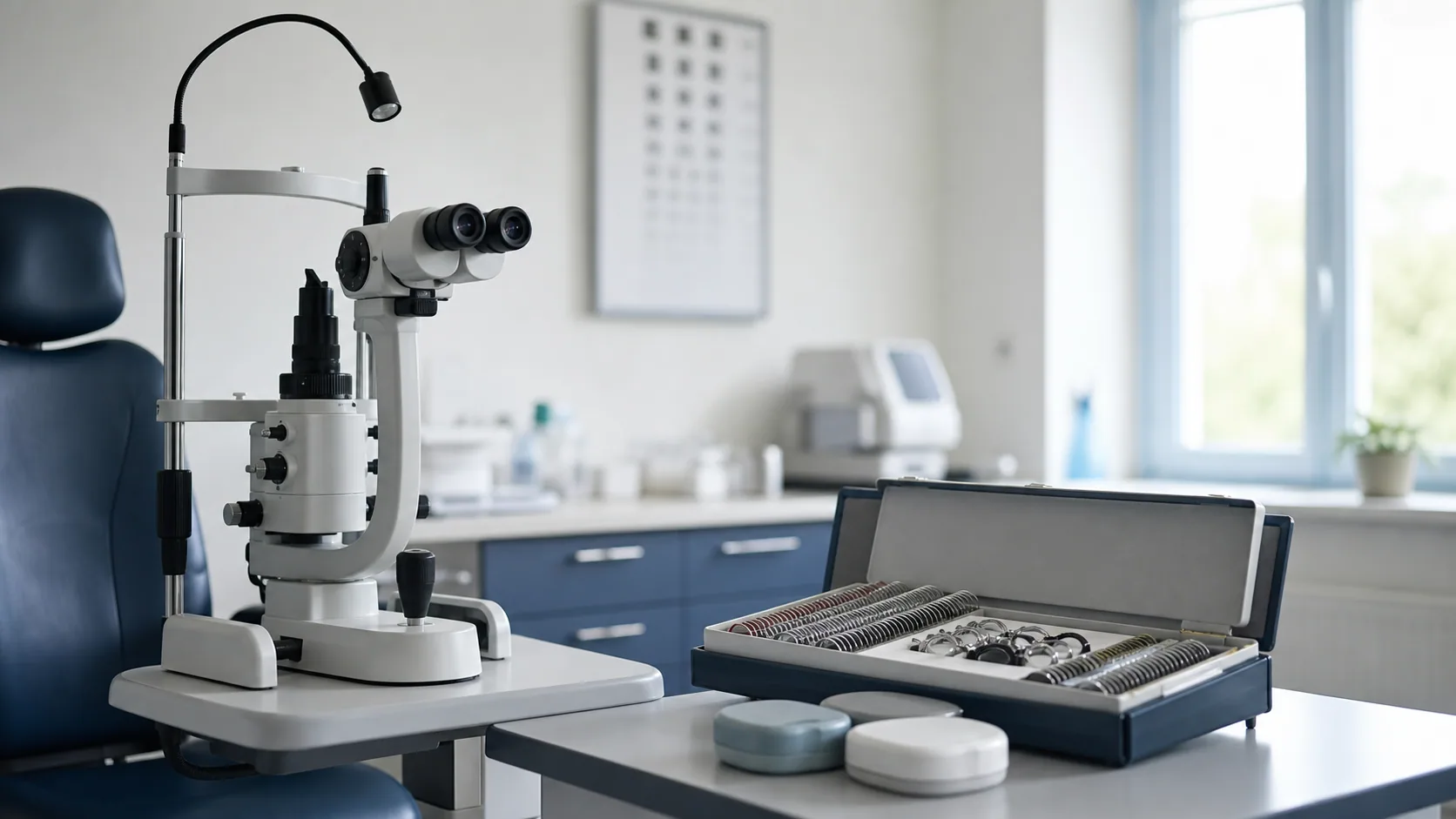
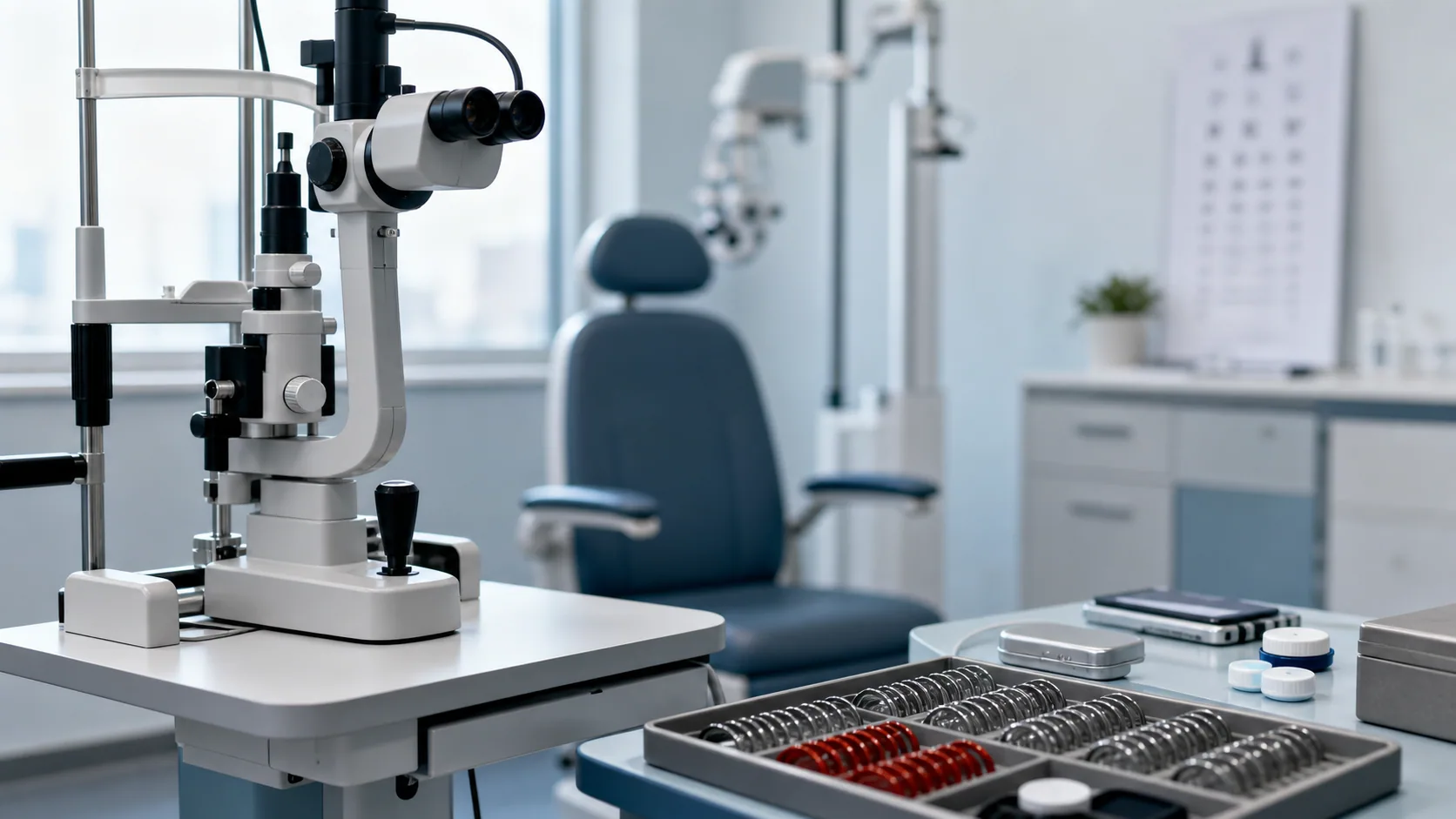
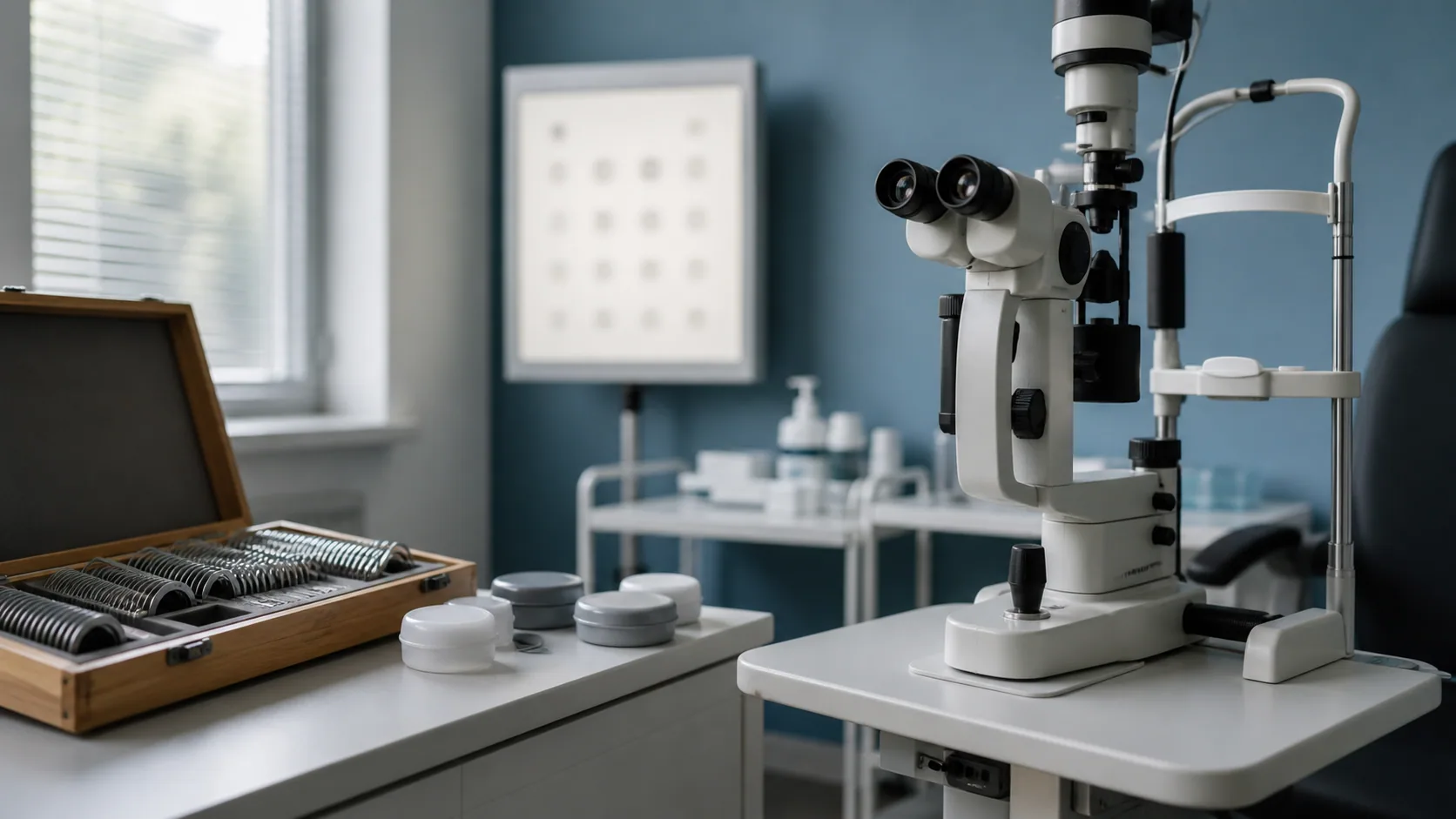
While digital health solutions offer convenience, the physical limitations of remote eye examinations present significant challenges. Eye diagnoses heavily rely on specialized equipment to measure intraocular pressure, examine the retina, and assess corneal structures. Because these objective tests cannot be performed through a standard smartphone camera, relying solely on remote consultations may mask underlying issues, making a detailed in-person consult essential for accurate diagnosis.
Furthermore, individual variation plays a critical role in how eye conditions progress and respond to treatment. Factors such as pre-existing ocular health, age, and lifestyle mean that a diagnostic approach suitable for one patient may not be appropriate for another. Patients must understand that any medical intervention, whether surgical or therapeutic, carries potential side effects and requires a personalized recovery plan developed under the direct supervision of a qualified specialist.
Navigating Eye Care Decisions and Consultations
When considering eye care options, patients should prioritize safety and thorough diagnostic evaluations over convenience. Discussing the limitations of remote consultations with a physician can help clarify when an in-person visit is necessary. Understanding the specific tests required for your symptoms ensures that potential vision-threatening conditions are identified early and managed effectively.
Before undergoing any ophthalmic procedure or starting a new treatment regimen, patients must engage in an open dialogue with their doctor. Asking detailed questions about the expected recovery timeline, potential risks, and alternative options helps set realistic expectations. A qualified clinician can provide the necessary guidance to minimize complications and support a smooth healing process tailored to your unique eyes.
Frequently asked questions
Why is there a risk of vision loss when using telemedicine for eye care?
Eye diseases are difficult to diagnose through simple video screens alone, as they heavily rely on objective test results. If patients requiring specialized exams are not properly screened, delayed in-person care can lead to irreversible vision loss. However, this is a general systemic concern, and individual risks must be evaluated through a direct consultation with a specialist.
What are the criteria for selecting the winner of the Myung-gok Clinical Medicine Award?
Unlike traditional medical awards that focus primarily on research publication records, the Myung-gok Clinical Medicine Award evaluates both research achievements and actual clinical experience and contributions in the field. The 5th grand prize in 2026 was awarded to Professor Kim Tae-woo of Seoul National University Bundang Hospital.
Ophthalmology Consultation Checklist
- What objective diagnostic tests are required to accurately evaluate my current eye symptoms?
- Are there specific risks or side effects associated with managing my condition through remote consultations?
- Under what circumstances should I immediately transition from a virtual consultation to an in-person clinical exam?
- What is the expected recovery timeline for my recommended treatment, and how will individual variation affect it?
MediIndex articles are for general information only and are not medical advice, diagnosis, or advertising. Outcomes vary by individual — consult a board-certified specialist for personal decisions.