Tae-Woo Kim Receives Glaucoma Research Award
This briefing outlines recent clinical awards in glaucoma research and the domestic launch of new cataract and vitreoretinal surgical systems, though it cannot establish individual treatment outcomes or comparative efficacy.
This article was automatically drafted and passed editorial compliance checks. It synthesizes public source metadata and is not a substitute for individual care or clinical review.
The landscape of ophthalmic care continues to evolve with advancements in both clinical research and surgical technology. Recent announcements highlight significant recognition for glaucoma precision medicine research alongside the introduction of next-generation surgical platforms designed for cataract and vitreoretinal procedures in South Korea.
As the population ages, the prevalence of age-related eye conditions such as cataracts and diabetic retinopathy has risen, driving the demand for more precise diagnostic and surgical tools. These developments reflect an industry-wide effort to improve clinical workflows and refine treatment protocols for complex ocular diseases.
Clinical Recognition and Technological Launches
In clinical research, Professor Tae-Woo Kim of Seoul National University Bundang Hospital was awarded the 5th Myung-gok Clinical Medicine Award by Kim's Eye Hospital. This award recognizes his contributions to glaucoma precision medicine, specifically his work in establishing diagnostic and prognostic indicators that can be utilized in actual clinical settings.
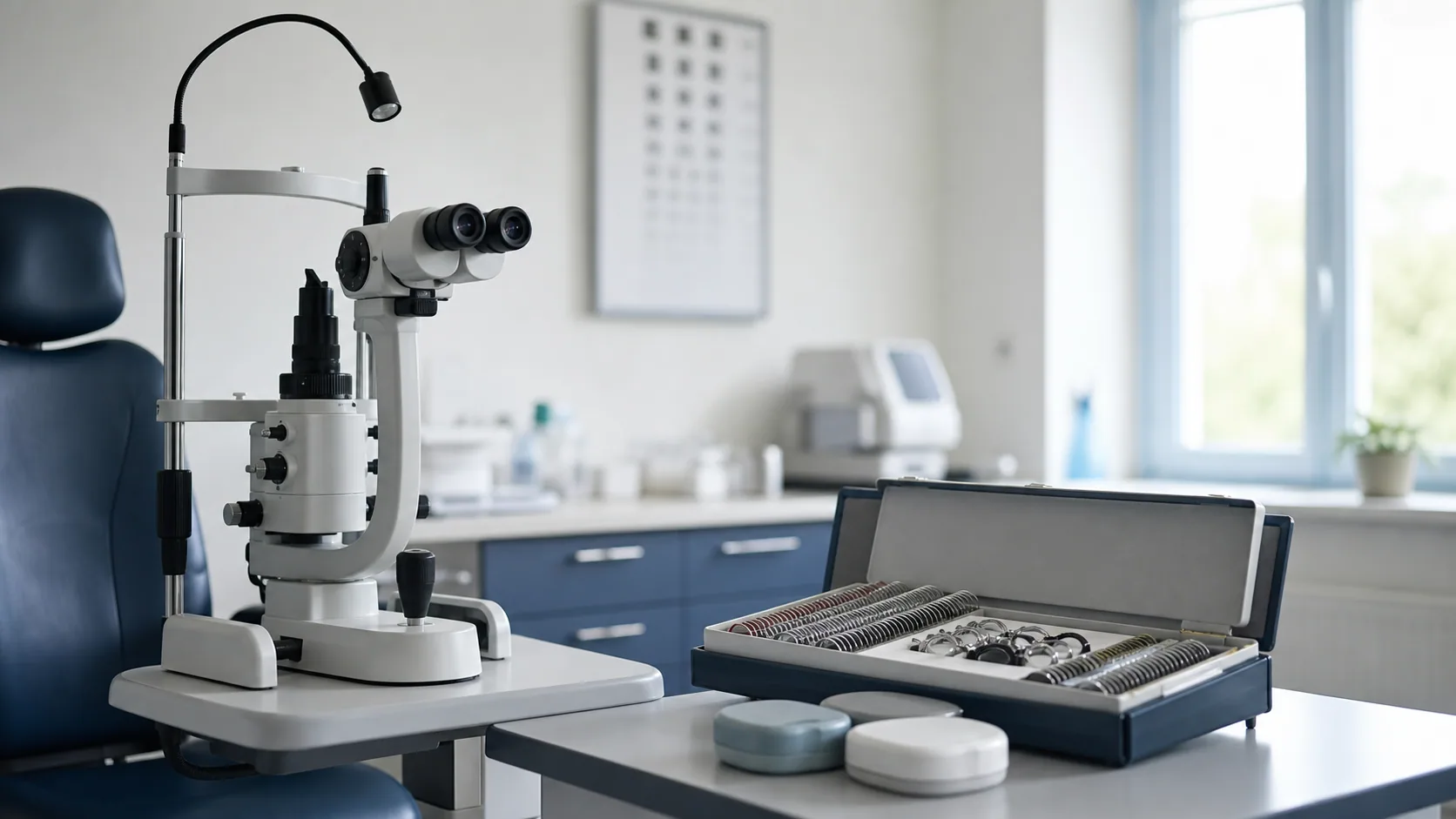
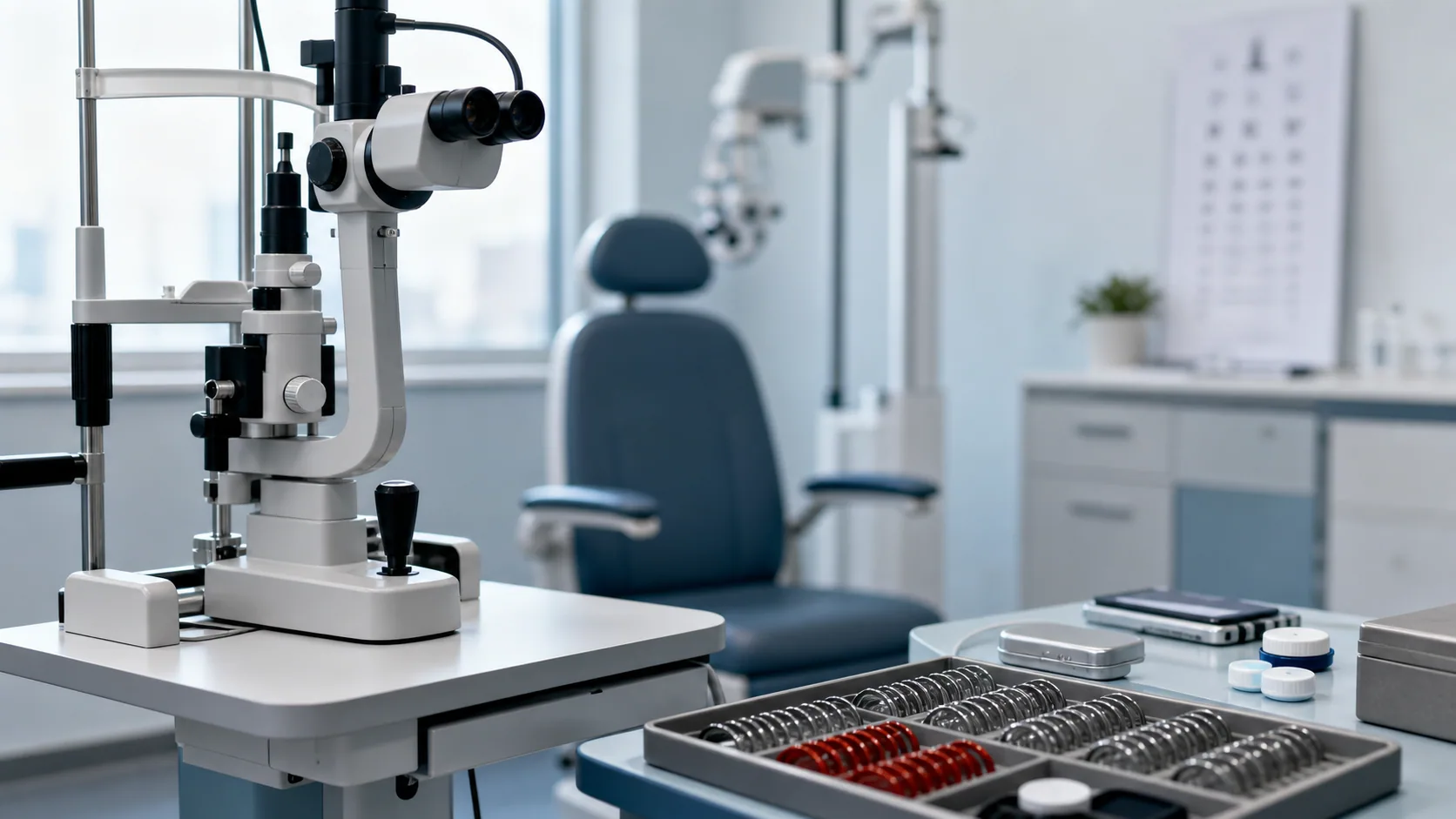
Concurrently, global eye care company Alcon announced the official South Korean launch of its "UNITY" surgical platforms. These include the UNITY Vitreoretinal Cataract System (VCS) and the UNITY Cataract System (CS), which integrate advanced technologies such as real-time pressure and flow monitoring to enhance surgical precision during cataract and retinal procedures.
Understanding Clinical Limits and Patient Variability
While these technological and academic milestones represent progress, they do not ensure uniform outcomes for every patient. Ophthalmic procedures carry inherent risks, and the success of any intervention depends heavily on individual variation in eye anatomy, pre-existing conditions, and overall health.
Patients considering surgical interventions for cataracts or retinal diseases must be aware of potential side effects and the specific recovery timeline required. It is essential to consult with a qualified ophthalmologist to evaluate whether these new technologies are appropriate for one's specific condition, as clinical indicators and equipment suitability vary.
Navigating Treatment Options and Consultations
When exploring treatment options for age-related eye diseases, understanding the specific tools and diagnostic methods used by a clinic can help patients make informed decisions. However, the presence of advanced machinery alone does not substitute for the clinical judgment and experience of the surgical team.
A thorough pre-operative evaluation is necessary to identify any underlying risk factors that might affect the surgical outcome. Patients should actively discuss their medical history, lifestyle needs, and realistic expectations regarding visual recovery with their healthcare provider before undergoing any procedure.
Frequently asked questions
What is the newly launched UNITY surgical platform in Korea?
It is a next-generation ophthalmic surgical platform launched by Alcon, consisting of the UNITY VCS for cataract and vitreoretinal surgeries and the UNITY CS for cataracts. It features technologies like real-time pressure and flow monitoring to improve surgical precision. However, its suitability depends on individual patient conditions.
Why did Professor Tae-Woo Kim receive the Myung-gok Clinical Medicine Award?
Professor Kim was awarded for his research in glaucoma precision medicine, specifically for establishing diagnostic and prognostic indicators that can be applied in clinical practice. The award evaluates both research achievements and actual clinical contribution. Individual diagnostic outcomes may still vary.
Questions to Ask Your Ophthalmologist Before Surgery
- What diagnostic indicators will be used to assess the progression of my glaucoma or cataract?
- Are the newly launched surgical platforms suitable for my specific eye structure and condition?
- What are the potential side effects and risks associated with this specific ophthalmic procedure?
- What is the expected recovery timeline, and what post-operative care is required?
MediIndex articles are for general information only and are not medical advice, diagnosis, or advertising. Outcomes vary by individual — consult a board-certified specialist for personal decisions.