Summer Eye Health Risks and Eyelid Ptosis Surgical Options
This briefing outlines recent reports on summer eye infections, UV-induced cataracts, and ptosis correction options, though it cannot establish individual treatment outcomes or long-term efficacy.
This article was automatically drafted and passed editorial compliance checks. It synthesizes public source metadata and is not a substitute for individual care or clinical review.

Recent medical reports highlight the dual importance of protecting eye health during summer activities and addressing functional eyelid issues. With the rise of outdoor leisure, experts warn against common habits like wearing contact lenses in water and neglecting UV protection, which can lead to severe corneal infections or early-onset cataracts.
Concurrently, clinical discussions continue to focus on corrective procedures for structural concerns such as severe ptosis. While modern surgical techniques offer options for those struggling to open their eyes, understanding the risks, recovery processes, and individual variations remains essential before undergoing any procedure.
Summer Environmental Risks and Eye Infections
During summer vacations, many individuals wear contact lenses while swimming in pools, water parks, or natural bodies of water. Medical reports indicate that this habit significantly increases the risk of infectious keratitis, as waterborne pathogens can easily adhere to the lenses, leading to symptoms like redness, foreign body sensation, pain, and blurry vision.
Additionally, prolonged exposure to strong summer ultraviolet (UV) radiation is linked to increased oxidative stress and protein denaturation within the crystalline lens. This environmental factor is reported to accelerate the onset of cataracts, with a growing number of cases observed even among individuals in their 30s who engage in frequent outdoor activities.
Structural Eyelid Issues and Ptosis Correction
Ptosis occurs when the muscles and supporting tissues responsible for lifting the upper eyelid weaken, preventing the eye from opening fully. This condition often causes a tired appearance, but it also presents functional challenges, such as a restricted field of vision and the involuntary habit of using forehead muscles to open the eyes, which can lead to deep wrinkles.
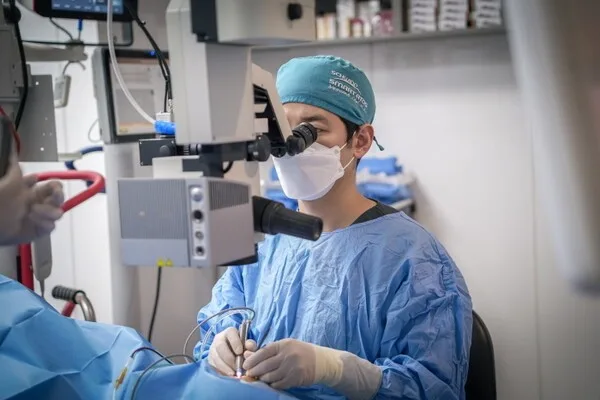
For individuals diagnosed with severe ptosis, surgical interventions like common fascial sheath surgery are discussed as potential options to improve eyelid function. However, because the degree of muscle weakness and facial anatomy vary, patients must consult a qualified specialist to evaluate potential side effects and understand that recovery times will differ based on individual variation.
Clinical Considerations and Patient Guidance
Addressing both environmental eye damage and structural eyelid conditions requires a careful, individualized approach. While public awareness of summer eye hazards is growing, early detection through regular eye examinations remains the most effective way to prevent long-term vision impairment from cataracts or untreated infections.
When considering corrective eyelid surgery, patients should not expect uniform outcomes. A thorough pre-operative evaluation is necessary to assess the exact cause of the ptosis and to plan a safe procedure. Discussing the realistic expectations of recovery and potential post-operative side effects with a surgeon is vital for a satisfactory and safe outcome.
Frequently asked questions
Can wearing contact lenses while swimming really cause permanent vision loss?
Yes, wearing lenses in pools or natural water can lead to infectious keratitis as pathogens adhere to the lens. If left untreated, severe corneal infections can cause pain, blurry vision, and potential vision loss. It is advised to avoid wearing lenses during water activities and seek immediate medical attention if symptoms occur.
Is cataract surgery necessary for 30-year-olds diagnosed with early cataracts?
Early-stage cataracts caused by UV exposure or other factors may not require immediate surgery if symptoms are mild. Regular eye examinations are crucial to monitor the progression of lens opacity and determine the appropriate timing for treatment. Any intervention should be decided after a detailed consultation with an ophthalmologist.
How do I know if my heavy eyelids are due to severe ptosis?
If you constantly look tired, have a restricted field of vision, or habitually use your forehead muscles to open your eyes, you may have ptosis. A professional clinical evaluation is required to measure your eyelid muscle strength and determine if corrective surgery, such as common fascial sheath surgery, is appropriate.
Eye Health and Ptosis Consultation Checklist
- What diagnostic tests are required to differentiate severe ptosis from temporary eyelid heaviness?
- Are there specific risks or side effects associated with common fascial sheath surgery for my eye structure?
- How long is the expected recovery period, and what post-operative care is needed to prevent complications?
- If I experience eye redness or blurry vision after swimming, what immediate steps should I take before seeking medical care?
MediIndex articles are for general information only and are not medical advice, diagnosis, or advertising. Outcomes vary by individual — consult a board-certified specialist for personal decisions.