
Nutritional Management for Aging Cats and Verifying Pet Food Ingredient Labels
This briefing outlines campaigns for feline aging nutrition and mandatory pet food ingredient labeling regulations, but it cannot establish specific dietary prescriptions or promised health outcomes for individual companion animals.
This article was automatically drafted and passed editorial compliance checks. It synthesizes public source metadata and is not a substitute for individual care or clinical review.
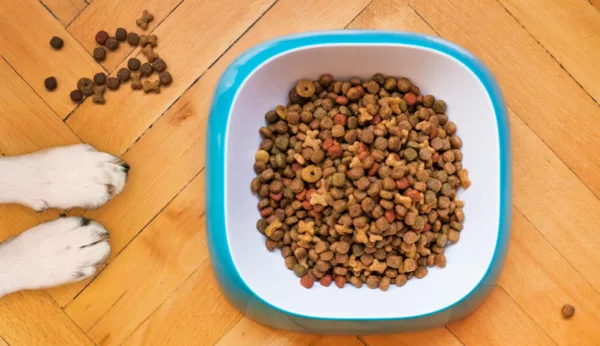
As the lifespan of companion animals extends, owners are increasingly focusing on life-stage-tailored nutritional management and pet food ingredients. Recent initiatives from industry campaigns and government regulations aim to highlight critical aging milestones in cats and mandate clearer labeling of raw ingredients and nutritional content to help consumers make informed choices.
Because cats naturally mask signs of illness, owners often recognize aging later than it actually begins, while the wide variety of pet foods on the market can cause confusion due to exaggerated claims or significant ingredient variations. Consequently, supporting a companion animal's healthy aging requires regular veterinary checkups alongside a habit of carefully examining food ingredient labels.
Feline Aging Campaigns and Mandatory Pet Food Labeling
According to recent media reports, a new campaign highlights the ages of 7, 11, and 15 as critical milestones for managing the healthy aging of companion cats through tailored nutrition. Since cats tend to hide physical changes or discomfort, owners often notice aging late, underscoring the importance of timely dietary transitions and age-appropriate nutrient intake.
In parallel, updated regulations by the Ministry of Agriculture, Food and Rural Affairs now mandate the disclosure of primary raw materials, nutrient levels such as crude protein and crude fat, and the country of origin on pet food packaging. Labeling standards have been tightened to make the presence of artificial additives, such as preservatives or colorants, easily identifiable to consumers.
Limitations and Considerations in Individual Nutritional Choices
Although enhanced ingredient labeling and life-stage guidelines provide valuable benchmarks, they cannot be applied uniformly to every pet due to significant individual variation. Nutritional requirements differ based on breed, activity level, and underlying health conditions, making it essential to consult a veterinarian before changing diets to prevent potential side effects such as digestive upset.
Furthermore, during the recovery phase following surgery or medical treatment for age-related illnesses, senior cats may require specialized therapeutic diets rather than standard aging formulas. While checking protein levels and verifying real meat sources over meat meal on labels serves as a basic guideline, assuming these ingredients can treat specific medical conditions is risky, as clinical responses exhibit substantial individual variation.
Veterinary Consultation Guide for Food Selection and Aging Care
Rather than relying solely on promotional claims, owners should directly verify the mandatory labels for crude protein, crude fat, and artificial additives when purchasing pet food. Because senior pets may need to restrict certain nutrients depending on their kidney or heart function, it is safest to discuss appropriate dietary profiles with a veterinarian based on regular diagnostic results.
Keeping a record of subtle behavioral or appetite changes as a cat transitions through aging milestones at 7, 11, or 15 years old can provide valuable context during veterinary visits. If any abnormal symptoms, such as changes in stool consistency or skin reactions, occur after a dietary transition, owners should stop feeding the new food immediately and seek professional advice.
Frequently asked questions
At what age should I start managing my cat's aging?
According to industry campaigns, the critical milestones for managing feline aging are identified at ages 7, 11, and 15. However, because the rate of aging and health status exhibit individual variation, it is recommended to establish a personalized nutritional plan through regular veterinary consultation.
What should I check first on a pet food ingredient label?
Under the updated regulations, you should verify the primary raw materials (such as real meat versus meat meal), crude protein and crude fat levels, and the presence of artificial additives like preservatives or colorants. Since excess or deficiency in specific nutrients can cause side effects, choices should align with your pet's health status.
Veterinary Consultation Checklist for Pet Food and Aging Care
- What are the most appropriate protein and fat levels for my cat's current age (such as 7, 11, or 15 years) and health status?
- Are there specific health reasons why I should choose a product containing real meat instead of meat meal as indicated on the ingredient list?
- What gradual transition methods or potential digestive side effects should I consider when switching to a pet food free of artificial preservatives or colorants?
- Does my pet require a specialized therapeutic diet rather than standard senior pet food during recovery from illness or due to age-related decline?
MediIndex articles are for general information only and are not medical advice, diagnosis, or advertising. Outcomes vary by individual — consult a board-certified specialist for personal decisions.