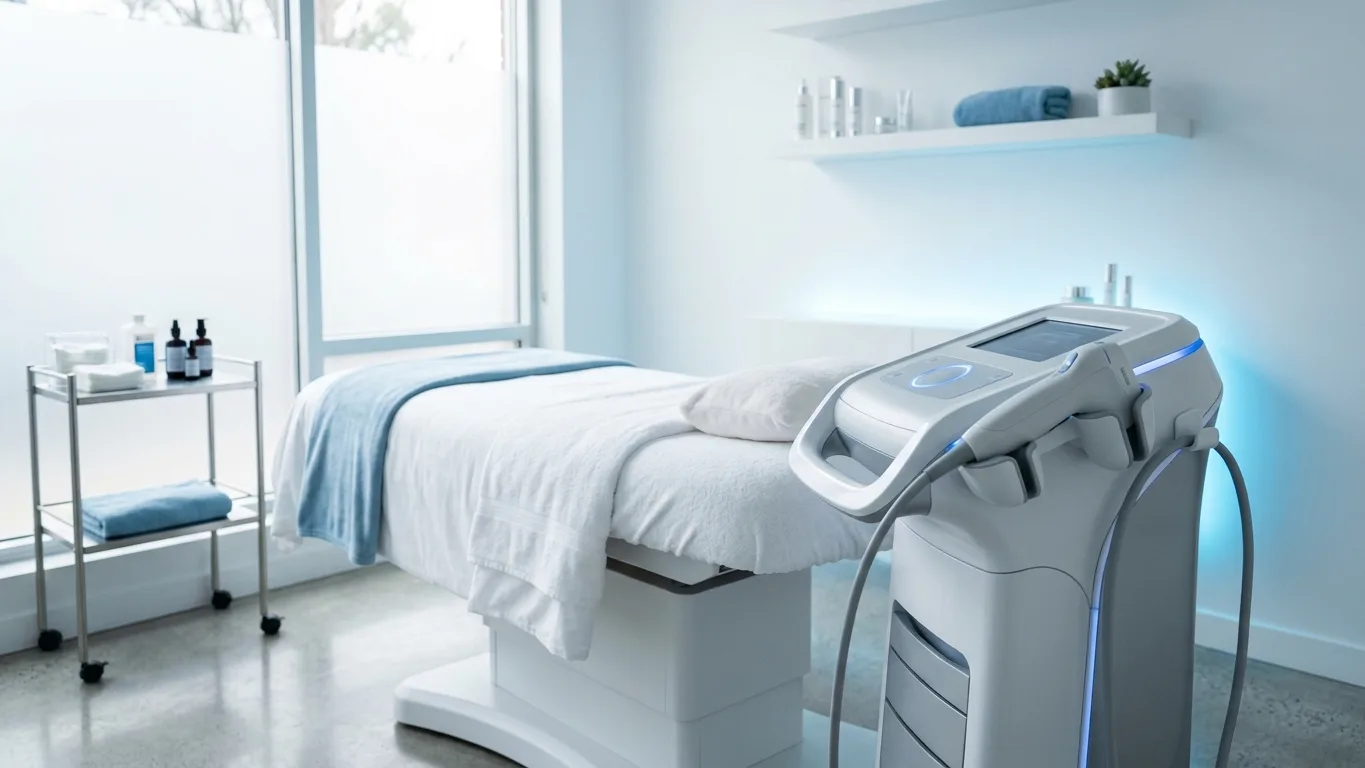
Laser, RF or Ultrasound? Matching a Skin Device to Your Concern
Different machines deliver energy to different depths for different problems, so choosing well starts with naming the concern first.
Clinics now offer an alphabet soup of skin-tightening and resurfacing machines — lasers, radiofrequency, focused ultrasound — and marketing tends to blur what each actually does. Choosing well starts with a simple idea: different devices deliver energy to different depths for different problems.
No single machine is right for every face, and the same device can help one person while doing little for another. Realistic expectations, an honest read of your main concern and individual variation in skin all shape the outcome.
What each class of device does
Lasers work with light. Ablative lasers remove the outer skin to resurface texture and scars, while non-ablative and fractional lasers heat deeper tissue more gently, targeting tone, pigment and fine lines with less downtime. The trade-off is broadly between how much they can change and how long recovery takes.
Radiofrequency and focused ultrasound skip the surface and heat deeper layers to prompt tightening. Radiofrequency warms the dermis to encourage collagen over time, while focused ultrasound reaches the deeper support layer to lift mild laxity. Because they largely spare the top of the skin, downtime is usually shorter, though results build gradually rather than appearing at once.
Matching the device to the concern
The starting question is what bothers you most. Rough texture, acne scars and sun spots point toward resurfacing lasers; early sagging and loss of firmness point toward radiofrequency or ultrasound. Redness and vascular marks call for yet other light-based settings, which is why a single all-purpose machine rarely exists.
Skin tone matters too. Some lasers carry a higher risk of pigment changes on deeper skin tones, so device choice and settings should account for it. Layered plans that combine methods over several sessions are common, and each added step brings its own recovery period and possibility of side effects to weigh.
What a good consultation covers
A useful consultation names the specific device and settings, not just a brand, and explains why that choice fits your skin. It also sets a timeline: how many sessions, how far apart and when visible change is expected. Vague promises of one-visit transformation are a reason to ask more questions.
Ultimately the device is only as good as the hands running it. A consultation with a board-certified dermatologist or plastic surgeon — including test patches where appropriate and a frank discussion of complications and aftercare — is the right setting to decide, and getting a second opinion is reasonable before committing to a course.
Before your device consultation
- Write down your single biggest skin concern — texture, pigment, sagging or redness.
- Ask the specific device name and settings, not just a marketing brand.
- Ask how many sessions and how much downtime each will need.
- If your skin tans easily, ask about pigment-change risk for your tone.
- Confirm who operates the device and how side effects are managed.
MediIndex articles are for general information only and are not medical advice, diagnosis, or advertising. Outcomes vary by individual — consult a board-certified specialist for personal decisions.