
Recent Developments in Skin Health: Distinguishing Pigmentation, Moles, and Pediatric Atopic Dermatitis
This briefing outlines recent medical publications and expert discussions on identifying skin cancer, systemic causes of skin darkening, and the developmental impacts of pediatric atopic dermatitis, though it cannot replace individual clinical diagnosis.
This article was automatically drafted and passed editorial compliance checks. It synthesizes public source metadata and is not a substitute for individual care or clinical review.
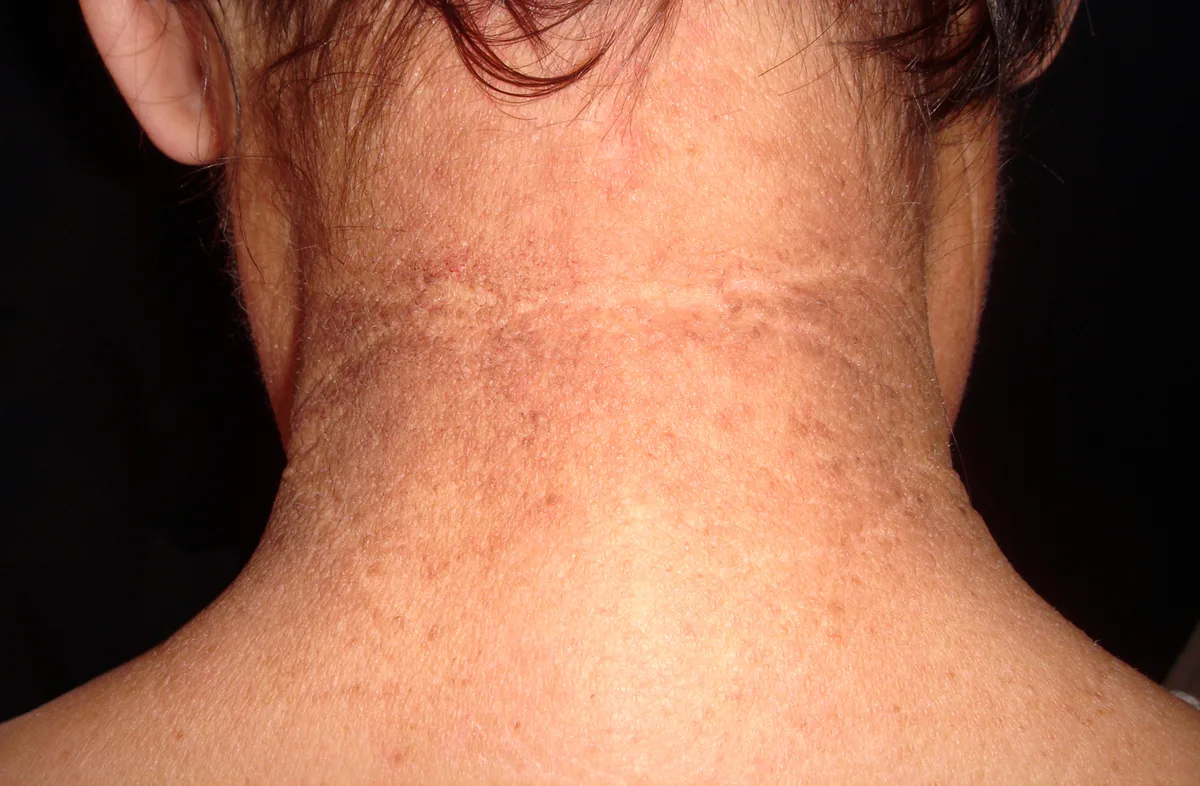
Recent medical discussions highlight the importance of distinguishing benign skin changes from serious systemic or malignant conditions. From unexpected skin darkening that may signal underlying health issues to the critical differentiation between common moles and skin cancer, experts emphasize vigilant observation. Additionally, chronic skin conditions in children, such as moderate-to-severe atopic dermatitis, are being recognized not just as localized skin irritation but as systemic challenges affecting overall growth and quality of life.
Understanding these diverse dermatological developments helps patients and guardians identify when to seek professional medical advice. While public educational resources and expert guides are increasingly available to reduce anxiety, clinical evaluation remains essential. Addressing skin concerns early can prevent complications and ensure appropriate management tailored to each patient's unique health profile.
Summary of Recent Dermatological Coverage
Recent reports cover several distinct areas of skin health, including the systemic implications of unexplained skin darkening and the publication of a new educational guide on distinguishing benign moles from skin cancer. Experts note that while natural tanning affects sun-exposed areas, systemic conditions can cause hyperpigmentation in areas typically shielded from the sun, often accompanied by systemic symptoms like fatigue, dizziness, vomiting, or weight loss. Meanwhile, newly published literature aims to help the public understand the characteristics of skin cancer, particularly focusing on how these presentations may differ in Korean patients compared to Western populations.
In pediatric dermatology, clinical experts have raised awareness about the broader impact of moderate-to-severe atopic dermatitis. Rather than being a simple skin rash, uncontrolled inflammatory skin conditions in children can lead to persistent itching, sleep disruption, and impaired daily functioning. These factors combined can negatively influence a child's overall growth trajectory and school life, making timely intervention and proper therapeutic management critical during key developmental stages.
Clinical Limits and Context
While educational books and news reports provide valuable general information, they cannot replace a formal medical diagnosis. Distinguishing between a benign mole and a malignant melanoma, or identifying the root cause of systemic hyperpigmentation, requires specialized diagnostic tools and professional expertise. Patients must consider that individual variation plays a significant role in how skin conditions present and how they respond to various management strategies.
Furthermore, managing chronic conditions like pediatric atopic dermatitis involves understanding potential side effects of long-term therapies and planning for a gradual recovery. Treatment plans must be carefully tailored to the child's age, severity of symptoms, and overall health status. Families should consult qualified clinicians to establish realistic expectations regarding treatment outcomes and to monitor the child's developmental progress alongside skin improvements.
Guidelines for Professional Consultation
When addressing skin concerns, preparing specific questions for your healthcare provider can ensure a more productive consultation. Patients observing unusual moles should note any changes in size, shape, or color over time to share during their visit. For those experiencing unexpected skin darkening, documenting accompanying systemic symptoms such as fatigue or digestive issues will help the physician determine if further systemic evaluations are necessary.
For parents of children with chronic skin conditions, discussions should focus on balancing symptom control with the child's developmental needs. Inquiring about the long-term safety of prescribed treatments, strategies to minimize sleep disruption, and ways to support healthy growth are essential components of a comprehensive care plan. A collaborative approach with a qualified specialist helps navigate the complexities of dermatological care safely and effectively.
Frequently asked questions
How can I tell if my skin darkening is from tanning or a medical condition?
Natural tanning typically occurs on sun-exposed areas like the face, arms, and shoulders. If skin darkens in areas not exposed to the sun, or is accompanied by fatigue, dizziness, vomiting, or weight loss, it may indicate an underlying systemic condition. A professional medical evaluation is required to determine the exact cause.
Can severe atopic dermatitis really affect a child's physical growth?
Yes, moderate-to-severe pediatric atopic dermatitis can impact growth due to persistent itching, sleep disturbance, and daily life disruptions caused by uncontrolled inflammation. Addressing these symptoms early through proper clinical treatment is important to support healthy development. However, individual growth outcomes vary depending on the child's overall health and treatment response.
Questions to Ask Your Dermatologist or Pediatrician
- What specific visual changes in a mole indicate the need for a professional biopsy?
- Could my skin darkening be related to an underlying systemic condition rather than sun exposure?
- How can we manage my child's severe atopic dermatitis to minimize its impact on sleep and growth?
- What are the potential side effects of the recommended long-term treatment plan for my skin condition?
MediIndex articles are for general information only and are not medical advice, diagnosis, or advertising. Outcomes vary by individual — consult a board-certified specialist for personal decisions.