Trends in Daily Skin Care Routines and Hydration Formulations
This briefing outlines recent media coverage on structuring basic skin care routines, combining products, and selecting ingredients like hyaluronic acid, though it cannot establish clinical efficacy for specific skin conditions.
This article was automatically drafted and passed editorial compliance checks. It synthesizes public source metadata and is not a substitute for individual care or clinical review.
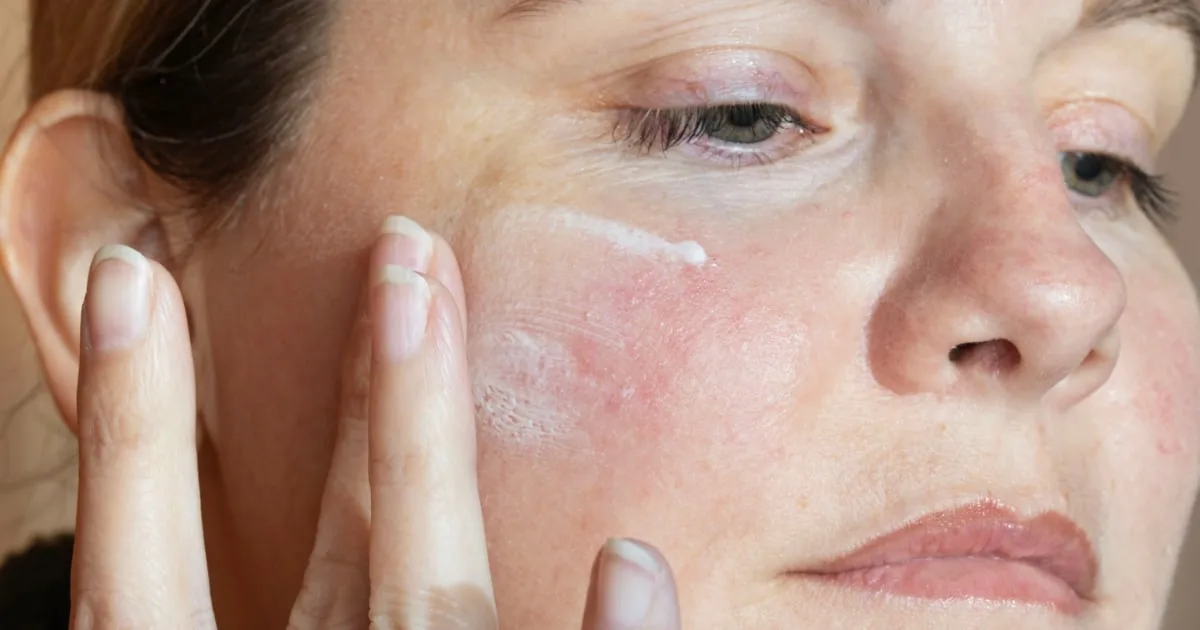
Recent lifestyle and beauty media coverage highlights a growing focus on simplifying daily skin care routines and selecting targeted ingredients. From foundational guides for beginners to specialized formulations for redness and dehydration, current discussions emphasize helping individuals establish consistent, manageable regimens.
Industry developments also point to new collaborative product offerings designed to streamline multi-step routines, alongside a widespread interest in hydrating agents such as hyaluronic acid. These reports reflect a broader consumer demand for accessible skin care education and practical product combinations.
Summary of Recent Skin Care Developments
Recent media reports focus on helping consumers build sustainable skin care routines from the ground up. Publications like Allure have introduced introductory guides to help beginners establish manageable daily habits, while Vogue highlights the widespread use of hyaluronic acid across various product types, including face washes, moisturizers, and serums, to address dehydrated skin.
Additionally, coverage from NBC News discusses dermatologist-recommended options for soothing redness and rosacea, referencing brands such as Aveeno, EltaMD, and CeraVe. Meanwhile, NewBeauty reports on collaborative product releases from brands like e.l.f. and Bubble that aim to simplify the process of mixing or "cocktailing" different skin care steps.
Limitations of General Recommendations
While media guides and product collaborations offer general advice, they do not account for individual variation in skin types and underlying health conditions. A routine that works for one person may cause adverse reactions in another, particularly for those with sensitive skin or diagnosed dermatological issues like rosacea.
Introducing new active ingredients or combining multiple products without professional guidance can lead to side effects such as irritation, dryness, or allergic contact dermatitis. It is important to monitor how your skin responds during any transition or recovery period after changing your routine, and to consult a qualified specialist if persistent irritation occurs.
Guidelines for Safe Routine Building
Before adopting a new skin care regimen or purchasing products highlighted in the media, individuals should assess their specific skin concerns and goals. Consulting a qualified dermatologist helps ensure that selected ingredients, such as hyaluronic acid or redness-relief agents, are appropriate for your skin barrier.
A professional evaluation can help identify potential sensitivities and prevent adverse interactions between combined products. Rather than relying solely on commercial trends, a tailored approach guided by medical expertise supports long-term skin health and minimizes the risk of unwanted complications.
Frequently asked questions
Can I mix different skin care products together before applying them?
While some brands offer products designed for simplified combination, mixing active ingredients without guidance can cause irritation. It is important to consider individual variation and consult a specialist to avoid adverse reactions.
Is hyaluronic acid safe for extremely dry or sensitive skin?
Hyaluronic acid is widely used for hydration in various formulations, but individual skin responses can vary. If your skin barrier is compromised, monitor your skin's recovery and seek professional advice if irritation occurs.
Questions to Ask Your Dermatologist
- Are ingredients like hyaluronic acid suitable for my specific skin type and hydration needs?
- What potential side effects should I watch for when introducing products designed for redness or rosacea?
- How should I safely combine or layer different skin care products to avoid irritation?
- What is the expected recovery time if my skin barrier becomes compromised by a new routine?
MediIndex articles are for general information only and are not medical advice, diagnosis, or advertising. Outcomes vary by individual — consult a board-certified specialist for personal decisions.