Recent Developments in Breast Cancer Treatment and Breast Implant Warranty Programs
Recent reports highlight a clinical trial on combination therapy for triple-negative breast cancer and the introduction of a lifetime warranty program for a domestic breast implant, though individual clinical outcomes and warranty eligibility may vary.
This article was automatically drafted and passed editorial compliance checks. It synthesizes public source metadata and is not a substitute for individual care or clinical review.
Recent developments in breast health and reconstruction highlight both clinical advancements in cancer treatment and updated patient care programs for aesthetic and reconstructive procedures. Researchers in South Korea have presented new clinical data regarding combination chemotherapy for triple-negative breast cancer, while a domestic medical device manufacturer has announced a lifetime warranty program for its breast implants.
These updates reflect a growing focus on improving long-term outcomes and patient safety across both therapeutic and reconstructive breast care. While clinical trials offer promising statistics for cancer recurrence risk reduction, and manufacturers offer structural support for implant integrity, patients must understand that individual variation, potential side effects, and recovery timelines remain critical factors in any medical decision.
Clinical and Industry Developments in Breast Care
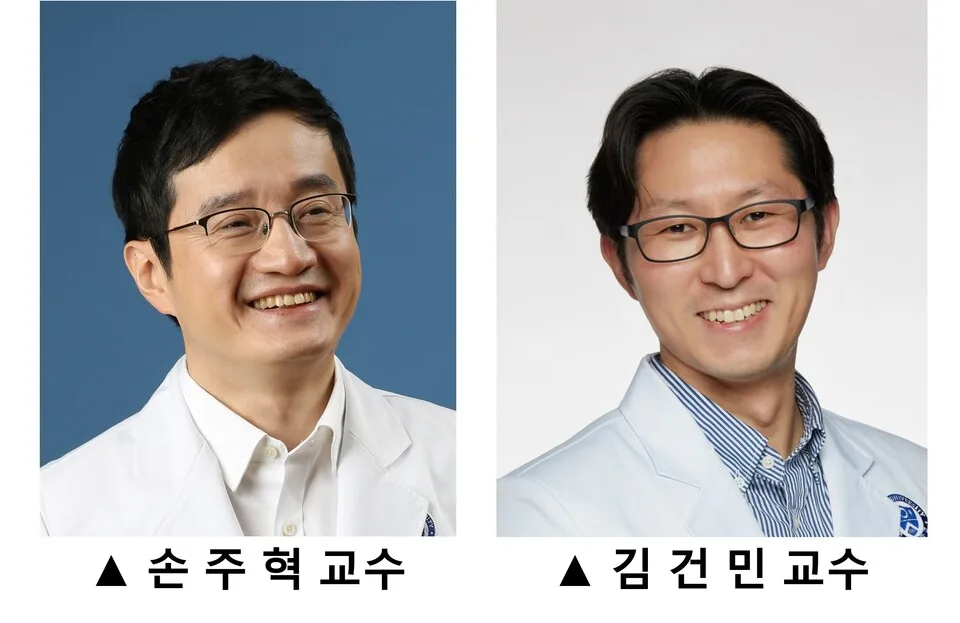
In the clinical sector, researchers from Yonsei Cancer Center conducted a multi-center phase 3 study involving 868 patients with stage 2 to 3 triple-negative breast cancer. The study evaluated the combination of conventional chemotherapy with the platinum-based agent carboplatin. The research team reported that the five-year event-free survival rate for the carboplatin combination group was 7.2 percentage points higher than that of the conventional treatment group, suggesting a potential reduction in recurrence, progression, or death risks.
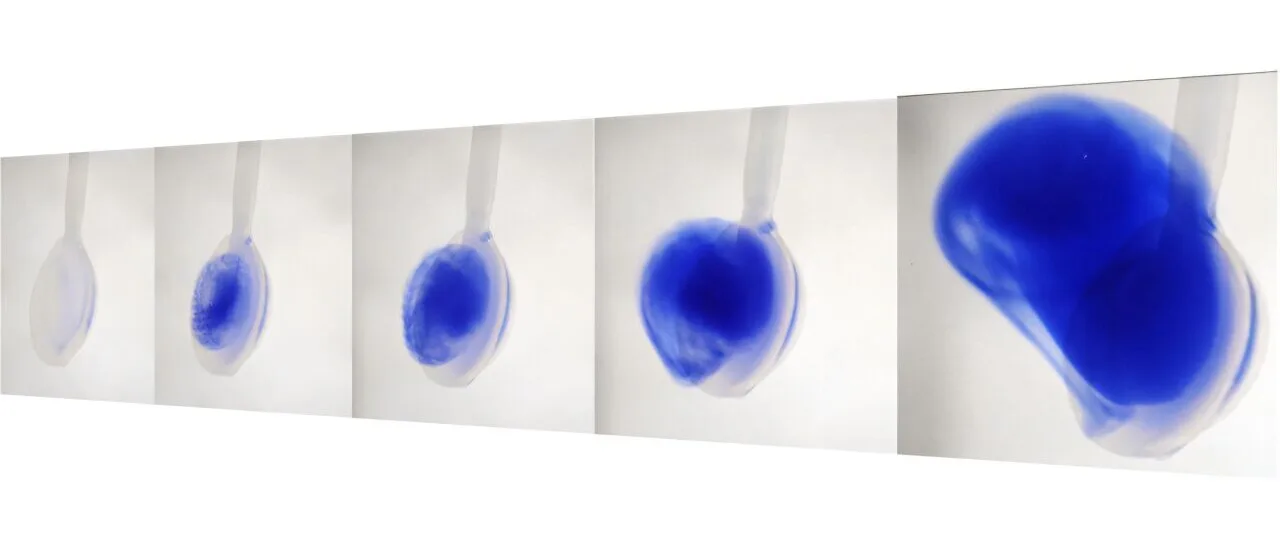
Concurrently, in the breast reconstruction and augmentation sector, Hans Biomed has introduced a lifetime warranty program for its domestic breast implant, 'BOUNS'. This program is designed to support patients by offering free replacements under specific conditions if issues arise after surgery. The coverage applies to implant rupture for both augmentation and reconstruction patients, as well as capsular contracture classified as Baker grade III or IV, aiming to enhance post-operative care.
Understanding Limitations and Patient Considerations
While these developments offer valuable options, they are accompanied by distinct limitations and clinical realities. The clinical trial focused specifically on stage 2 and 3 triple-negative breast cancer, meaning these statistical improvements may not directly apply to other breast cancer subtypes or stages. Furthermore, any aggressive chemotherapy regimen carries the risk of side effects, and the overall recovery process can vary significantly depending on the patient's general health status.
Similarly, the breast implant warranty program is subject to specific terms and conditions set by the manufacturer, rather than representing an absolute solution for all post-operative complications. Issues like capsular contracture and rupture are influenced by individual variation in tissue response, surgical techniques, and post-operative care. Therefore, patients must consult a qualified specialist to understand the precise eligibility criteria of the warranty and the potential risks associated with implant surgery.
Guidelines for Safe Medical Consultations
Making informed decisions about breast health, whether undergoing cancer therapy or reconstructive surgery, requires a comprehensive evaluation of one's medical history. Patients considering chemotherapy combinations should discuss their systemic health and potential tolerance to platinum-based drugs. A detailed discussion regarding the expected recovery timeline and management of treatment-related adverse events is essential before initiating any new protocol.
For those exploring breast implants, understanding the long-term maintenance and monitoring requirements is crucial. Patients should ask their surgeons about the specific signs of implant rupture or capsular contracture and how these conditions are diagnosed. Consulting a specialist helps clarify how individual variation affects surgical outcomes and ensures that patients have realistic expectations regarding both the aesthetic results and the scope of manufacturer warranty programs.
Frequently asked questions
Can all triple-negative breast cancer patients receive the carboplatin combination therapy?
The recent clinical trial evaluated patients with stage 2 to 3 triple-negative breast cancer. Whether this therapy is suitable for an individual depends on their specific health status and cancer stage, so patients must consult their oncologist.
Does the 'BOUNS' implant warranty cover all types of post-operative side effects?
No, the warranty program specifically covers implant rupture for both augmentation and reconstruction, as well as Baker grade III and IV capsular contracture under certain conditions. Other complications or side effects may not be covered, and individual variation in recovery should be discussed with a surgeon.
Questions to Ask Your Doctor During a Breast Consultation
- Am I a suitable candidate for the carboplatin combination therapy based on my specific breast cancer stage and subtype?
- What are the potential side effects of platinum-based chemotherapy, and how will they affect my recovery?
- What are the exact eligibility criteria and documentation required for the 'BOUNS' implant lifetime warranty program?
- How does individual variation in tissue healing affect my risk of developing capsular contracture or implant rupture?
MediIndex articles are for general information only and are not medical advice, diagnosis, or advertising. Outcomes vary by individual — consult a board-certified specialist for personal decisions.