Research Developments in Overcoming Breast Cancer Treatment Resistance
Recent studies highlight new targets, including tumor-supporting fat cells and mechanisms in metastatic disease, to address drug resistance in breast cancer, though clinical applications remain in early stages.
This article was automatically drafted and passed editorial compliance checks. It synthesizes public source metadata and is not a substitute for individual care or clinical review.
Breast cancer treatment often faces significant challenges when tumors develop resistance to standard therapies. Recent scientific publications in August 2026 highlight international efforts to identify the underlying mechanisms of this resistance, offering new pathways for therapeutic research. These developments focus on both metastatic breast cancer and the microenvironment surrounding tumors.
Researchers are looking beyond traditional cancer-cell-only approaches to explore how surrounding tissues and specific cellular targets contribute to treatment failure. While these laboratory and clinical findings represent academic progress, translating them into standard clinical procedures requires careful evaluation of safety, potential side effects, and individual patient factors.
Summarizing the New Research Developments
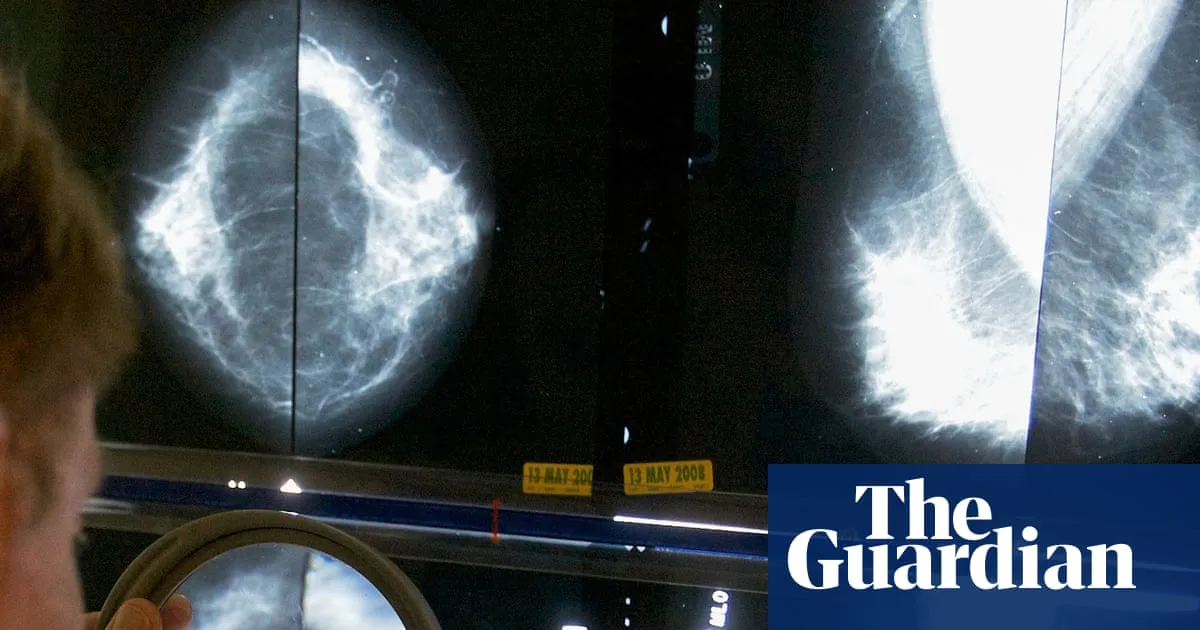
A study led by Houston Methodist, published in Clinical Cancer Research, has identified a promising new target associated with treatment resistance in advanced, metastatic breast cancer. This research aims to explain why some patients fail to respond to common early-stage therapies, which could help refine future intervention strategies.
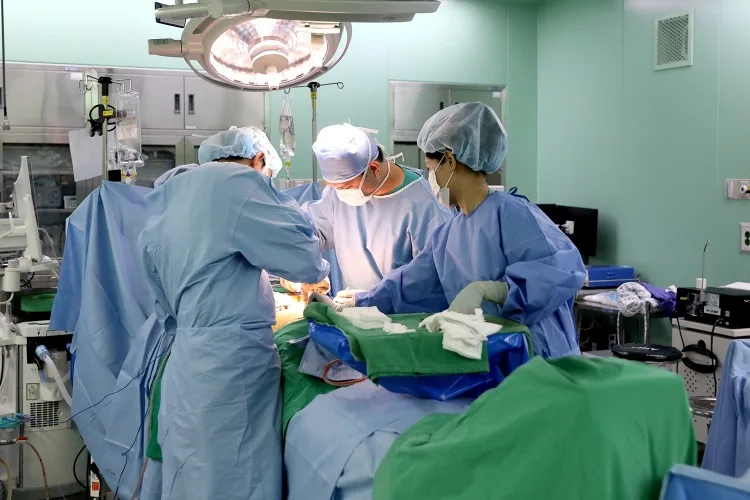
Concurrently, a joint Korean research team led by Professor Sun-Young Kong has proposed a different strategy to overcome drug resistance. Instead of focusing solely on cancer cells, their research targets the tumor-supporting fat cells that surround breast tumors, offering an alternative perspective on how the tumor microenvironment influences treatment outcomes.
Limitations, Context, and Clinical Realities
Although these laboratory findings point to innovative therapeutic targets, they do not yet represent immediately available treatments. Patients must understand that clinical translation involves rigorous testing to determine efficacy and potential side effects. The timeline for these experimental approaches to reach standard care remains uncertain, and individual variation in patient health plays a critical role in how any therapy is received.
Furthermore, managing advanced breast cancer requires a comprehensive approach that balances therapeutic benefits against the physical toll of treatment. Any new drug or target therapy must undergo clinical trials to ensure it does not compromise patient recovery or introduce unforeseen complications. Consulting with an oncology specialist is essential to navigate existing, proven treatment pathways.
Navigating Treatment Options and Consultations
For patients currently undergoing breast cancer therapies, understanding the potential for drug resistance can help in discussing alternative options with their healthcare team. While new research offers hope for the future, current clinical decisions must rely on established protocols that have been thoroughly vetted for safety and efficacy.
When discussing care plans, patients should ask about the specific mechanisms of their prescribed drugs and how their individual health profile might affect treatment response. A qualified clinician can provide personalized guidance on managing side effects, optimizing recovery, and determining if any ongoing clinical trials are appropriate for their specific diagnosis.
Frequently asked questions
Why do some breast cancer patients develop resistance to standard treatments?
According to recent research, resistance can occur due to specific cellular targets in advanced metastatic cancer or because of the influence of tumor-supporting fat cells in the surrounding microenvironment. However, the exact mechanisms can vary significantly between individuals.
How does targeting fat cells around tumors help in breast cancer treatment?
A joint Korean research team identified that targeting tumor-supporting fat cells, rather than cancer cells alone, could be a potential strategy to overcome drug resistance. This approach is still in the research phase and has not yet been established as a standard clinical procedure.
Questions to Discuss with Your Oncology Team
- What are the primary signs that a breast cancer treatment may be encountering resistance?
- How do surrounding fat cells or the tumor microenvironment affect my specific treatment plan?
- What are the expected side effects of my current therapy, and how will they impact my recovery?
- Are there established alternative therapies available if my initial treatment is not effective?
MediIndex articles are for general information only and are not medical advice, diagnosis, or advertising. Outcomes vary by individual — consult a board-certified specialist for personal decisions.