Recent Research on Breast Milk Proteins, Tumor Cell Mapping, and Dietary Breast Cancer Risk Factors
This briefing outlines recent scientific findings on breast milk proteins, breast tumor cell mapping, and dietary risk factors, though it cannot establish clinical protocols or treatment outcomes.
This article was automatically drafted and passed editorial compliance checks. It synthesizes public source metadata and is not a substitute for individual care or clinical review.
Recent scientific publications have highlighted diverse aspects of breast health, ranging from the immunological benefits of breast milk to advanced cellular mapping of breast tumors and dietary influences on cancer risk. These studies, published in late July and early August 2026, offer new insights into how biological components and lifestyle factors interact with breast tissue and overall health.
Understanding these developments helps patients and healthcare providers discuss preventive care and therapeutic options. While these laboratory and observational findings are promising, translating them into daily clinical practice requires careful evaluation of individual variation, potential side effects of interventions, and recovery timelines under professional guidance.
Key Findings in Breast Health and Tumor Research
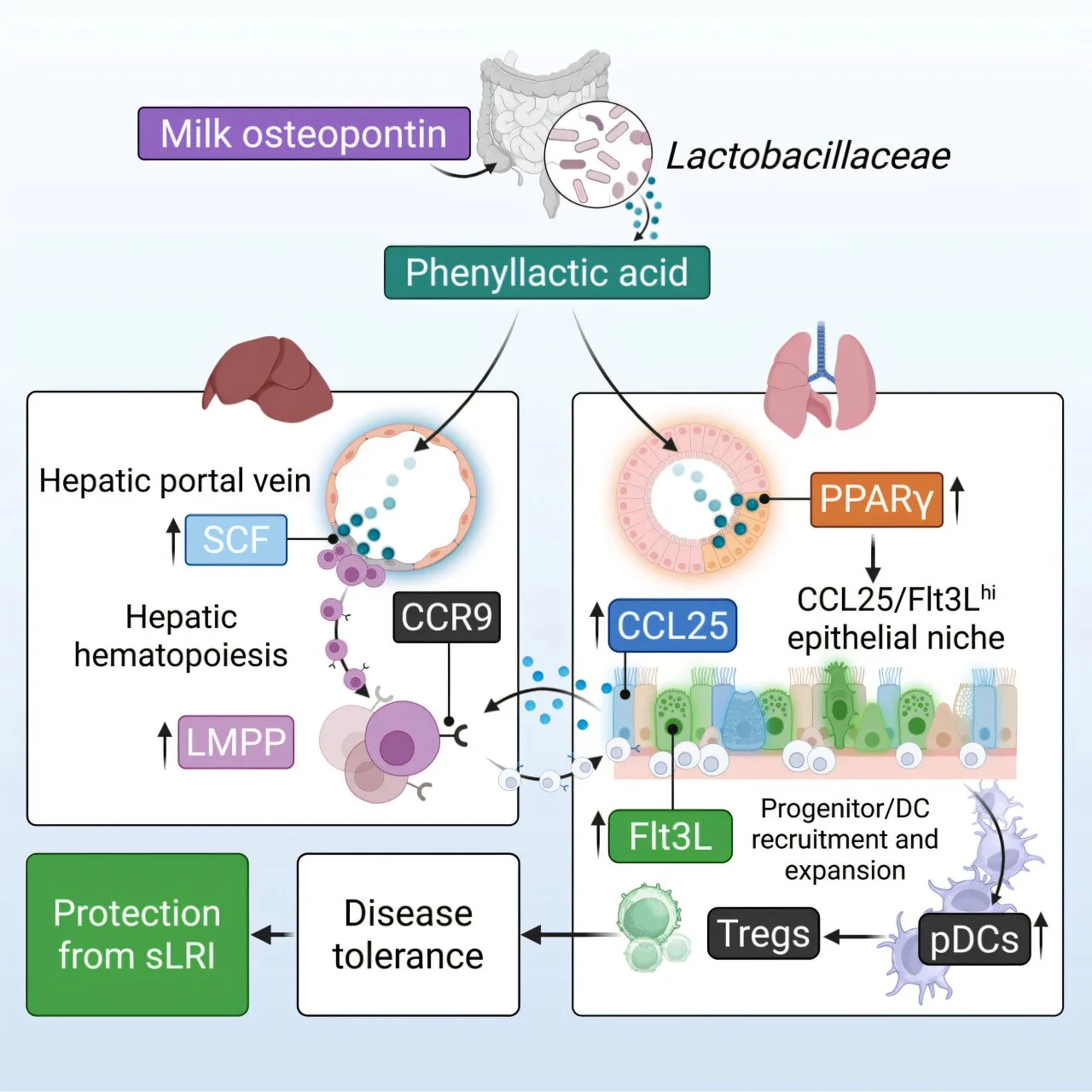
Researchers have identified how a specific breast milk protein called osteopontin supports infant immunity. According to a study published in the journal Cell, this protein triggers biological signals that aid immune cell development in an infant's liver and lungs, potentially shielding them from respiratory infections. The research also points toward methods for mimicking this protective mechanism in infant formula.
In oncology, scientists have successfully mapped the protective cell networks within breast tumors, distinguishing between neighborhoods of active, proliferating cells and dormant cancer cells. Additionally, separate research has explored how specific flavonoid-rich foods may play a role in reducing overall breast cancer risk, highlighting the connection between diet and breast health.
Limitations of Current Scientific Evidence
While these studies provide valuable cellular and dietary insights, they do not offer immediate clinical solutions or assured outcomes. For instance, the mapping of dormant breast tumor cells explains how they hide, but does not yet provide a direct method to eliminate them. Similarly, dietary studies on flavonoids suggest risk reduction but cannot replace standard preventive screenings or medical treatments.
Patients must recognize that laboratory models and observational data may not translate uniformly to every individual. Factors such as individual variation in metabolism, potential side effects of drastic dietary changes, and the overall recovery context of patients undergoing breast procedures must be evaluated. Anyone considering changes to their health regimen should consult a qualified physician.
Navigating Breast Health Decisions with Clinicians
When discussing breast health, patients should prepare specific questions regarding how new research applies to their personal medical history. Discussing dietary adjustments, such as incorporating flavonoid-rich foods, should be done in the context of overall nutrition and existing health conditions to avoid unwanted interactions or side effects.
For those undergoing or recovering from breast procedures, understanding the cellular environment and tissue health is crucial. Patients are encouraged to consult their specialists about how individual variation affects their recovery timeline and what preventive measures are most appropriate for their specific tissue profile.
Frequently asked questions
Can breast milk proteins like osteopontin be found in baby formula?
Current research published in Cell has identified how osteopontin supports infant immunity and suggests potential ways to mimic this effect in baby formula. However, commercial formulas may not yet widely replicate this specific protective mechanism, so parents should consult a pediatrician regarding infant nutrition.
Do flavonoid-rich foods assure protection against breast cancer?
While a recent study suggests that foods containing flavonoids may help reduce breast cancer risk, they do not assure prevention. Dietary adjustments should be viewed as supportive lifestyle factors rather than a substitute for regular medical screenings and professional advice.
Questions to Ask Your Clinician About Breast Health and Risk Factors
- How do dietary factors like flavonoids fit into my personalized breast cancer prevention plan?
- Are there any side effects or risks associated with making sudden changes to my diet or nutrition?
- How might individual variation in my tissue structure affect my recovery after a breast procedure?
- What standard screenings should I continue to prioritize alongside lifestyle and dietary adjustments?
MediIndex articles are for general information only and are not medical advice, diagnosis, or advertising. Outcomes vary by individual — consult a board-certified specialist for personal decisions.