Clinical Considerations in Presbyopia Correction and Lens Implantation
This briefing summarizes recent academic presentations on presbyopia correction and clinical considerations for lens implant surgery, though it cannot establish long-term efficacy or compare individual patient outcomes.
This article was automatically drafted and passed editorial compliance checks. It synthesizes public source metadata and is not a substitute for individual care or clinical review.

Recent medical reports highlight ongoing advancements in vision correction procedures, focusing on addressing complex refractive errors and age-related vision changes. Academic discussions and clinical reports emphasize the diversification of surgical methods, ranging from laser-assisted presbyopia correction for middle-aged patients to intraocular lens implantation for individuals with severe myopia or astigmatism.
These developments reflect a growing clinical interest in preserving corneal tissue and customizing procedures to fit the unique anatomical characteristics of each patient's eye. While these techniques offer alternative pathways for those unsuitable for traditional laser surgeries, medical experts stress the importance of thorough pre-operative evaluations to ensure safety and minimize potential complications.
Academic Presentations and Clinical Alternatives in Vision Correction
In July 2026, clinical outcomes regarding combined presbyopia correction for myopic presbyopia patients in their 40s and 50s were presented at the Singapore National Eye Centre (SNEC) 35th Anniversary International Meeting. The presentation focused on the clinical results of utilizing the PresbyMAX system to address age-related vision decline in middle-aged demographics, sharing surgical techniques with international ophthalmic experts.
Meanwhile, for patients with high myopia or high astigmatism who are not suitable candidates for standard LASIK or LASEK, implantable collamer lens (ICL) surgery is highlighted as a viable alternative. Because this procedure inserts a lens inside the eye rather than reshaping the cornea, it preserves corneal thickness and reduces the risk of refractive regression, making it applicable even for patients with thin or asymmetrical corneas.
Clinical Limitations and the Importance of Precise Measurement
Despite these technological advances, the success of intraocular procedures heavily relies on precise anatomical measurements. For lens insertion surgeries, accurate evaluation of the internal ocular space, corneal curvature, and corneal thickness is critical, as improper sizing or placement can lead to complications. Patients must understand that individual variation plays a significant role in how the eye heals and adapts post-surgery.
Furthermore, all surgical interventions carry inherent risks of side effects, such as dry eyes, glare, or infection, and no procedure can promise an ideal outcome. The recovery period and long-term stability of vision correction depend on multiple systemic and ocular factors, requiring patients to consult with a qualified specialist to undergo comprehensive diagnostic testing before deciding on a procedure.
Navigating Treatment Options Through Professional Consultation
Choosing the right vision correction method requires a detailed discussion regarding the patient's lifestyle, occupational needs, and underlying ocular health. For instance, middle-aged patients considering presbyopia correction must weigh the benefits of laser-assisted procedures against potential changes in near and distance vision. A thorough consultation helps align patient expectations with realistic clinical possibilities.
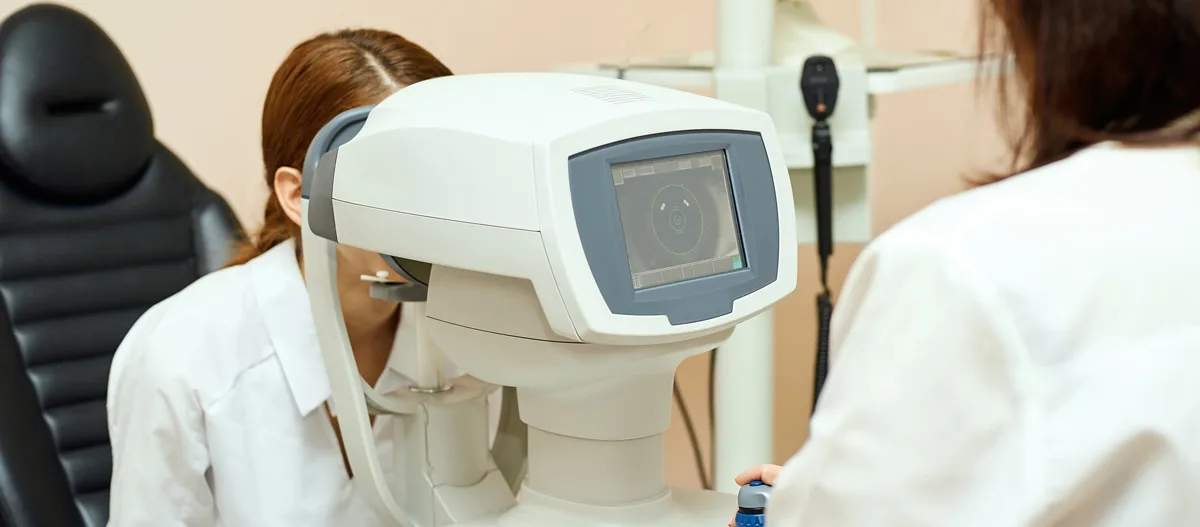
Ultimately, understanding the specific measurements of one's eye, such as corneal shape and internal dimensions, is the first step toward a safe procedure. Patients should actively ask about the diagnostic tools used to assess their suitability for either lens implantation or laser correction. This proactive approach ensures that the selected treatment plan minimizes risks and supports a stable recovery.
Frequently asked questions
Can patients with thin corneas undergo laser vision correction?
Patients with thin or asymmetrical corneas may not be suitable for traditional laser surgeries like LASIK or LASEK. In such cases, lens insertion surgery (ICL) may be considered as an alternative, provided that a precise measurement of the ocular space confirms suitability.
What is the main factor in determining the success of lens insertion surgery?
The success of lens insertion surgery depends heavily on the precise measurement of the internal ocular space, corneal curvature, and corneal thickness. Accurate pre-operative diagnostics are essential to ensure the lens fits properly and to minimize potential complications.
Questions to Ask Your Ophthalmologist
- What specific measurements of my ocular space and corneal thickness are required before undergoing lens insertion?
- Am I a suitable candidate for laser-based presbyopia correction, and what are the expected visual outcomes for my age group?
- What are the potential side effects, such as glare or regression, associated with my specific eye structure?
- How long is the typical recovery period for this procedure, and what post-operative care is necessary to maintain stability?
MediIndex articles are for general information only and are not medical advice, diagnosis, or advertising. Outcomes vary by individual — consult a board-certified specialist for personal decisions.