Essential Eye Examinations for Vision Correction and Silent Glaucoma Detection
This briefing outlines recent reports on the necessity of comprehensive pre-operative testing for vision correction and the silent progression of normal-tension glaucoma, though it cannot provide specific surgical outcomes or individual treatment plans.
This article was automatically drafted and passed editorial compliance checks. It synthesizes public source metadata and is not a substitute for individual care or clinical review.
Recent medical coverage highlights the critical role of comprehensive diagnostic testing in maintaining long-term eye health, both for elective vision correction and the early detection of chronic diseases. As interest in vision correction procedures rises, experts emphasize that selecting a treatment based solely on promotional costs or peer reviews can overlook essential physiological differences.
Concurrently, health reports warn against complacency regarding silent eye conditions like glaucoma, which can progress without noticeable changes in intraocular pressure or early visual symptoms. These developments underscore a broader clinical consensus: thorough, individualized diagnostic evaluations are indispensable before undergoing any ocular procedure or assuming one's eyes are entirely healthy.
Summary of Recent Eye Care Coverage
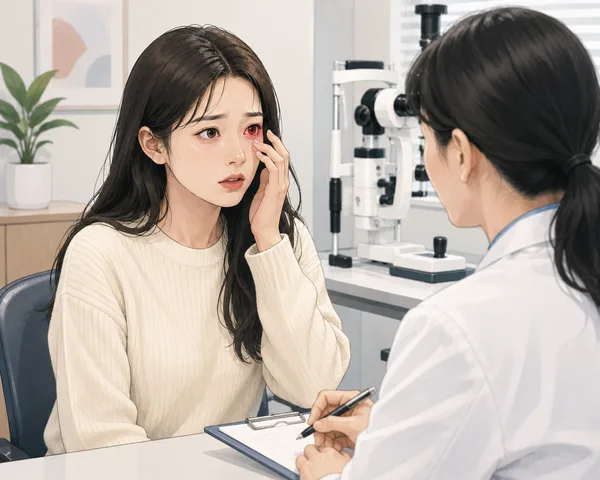
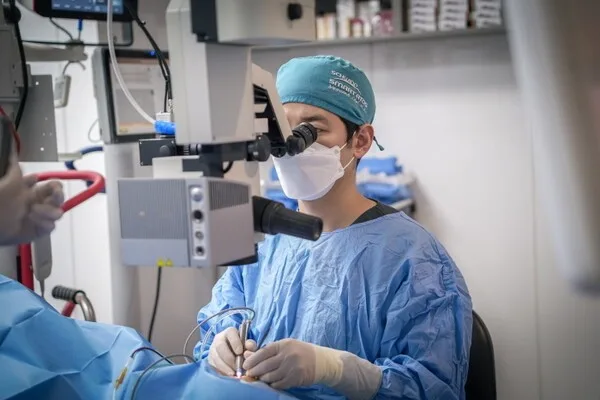
Recent reports focus on two major aspects of modern eye care: the preparation required for vision correction surgeries and the hidden risks of chronic blinding diseases. For individuals considering vision correction, clinical discussions emphasize that corneal thickness, refractive errors, and lifestyle habits vary significantly. Consequently, a detailed pre-operative examination is the foundational step to identify the most suitable corrective method for each patient.
In parallel, public health coverage addresses glaucoma, one of the top three diseases leading to blindness alongside macular degeneration and diabetic retinopathy. Reports reveal that approximately 70% of glaucoma patients in South Korea develop the condition despite having normal intraocular pressure. Because chronic glaucoma typically damages the optic nerve from the peripheral visual field inward, central vision remains intact for a long time, leaving many patients unaware of the damage until it has advanced.
Clinical Limits, Context, and Individual Variations
While diagnostic advancements help identify risks early, medical experts caution that no single procedure or test applies universally. Every patient exhibits distinct ocular structures, meaning that the potential for side effects or the specific timeline for recovery will depend heavily on individual variation. Therefore, patients must consult a qualified specialist to evaluate their unique physical parameters rather than relying on generalized online reviews or promotional events.
Furthermore, the high prevalence of normal-tension glaucoma in Korea demonstrates that standard intraocular pressure screenings alone are insufficient for a complete safety clearance. A comprehensive evaluation of the optic nerve is necessary to detect early damage. Patients must understand that maintaining clear central vision does not ensure the absence of underlying optic nerve deterioration, highlighting the need for regular, detailed eye examinations.
Guidance for Patient Consultations
When planning any vision correction or undergoing routine screenings, patients should prepare to discuss their daily visual environments and medical histories in detail. A thorough consultation allows the clinician to weigh the benefits of different surgical techniques against potential side effects. Understanding that recovery pathways and long-term stability are highly individualized helps patients set realistic expectations and adhere to essential post-operative care protocols.
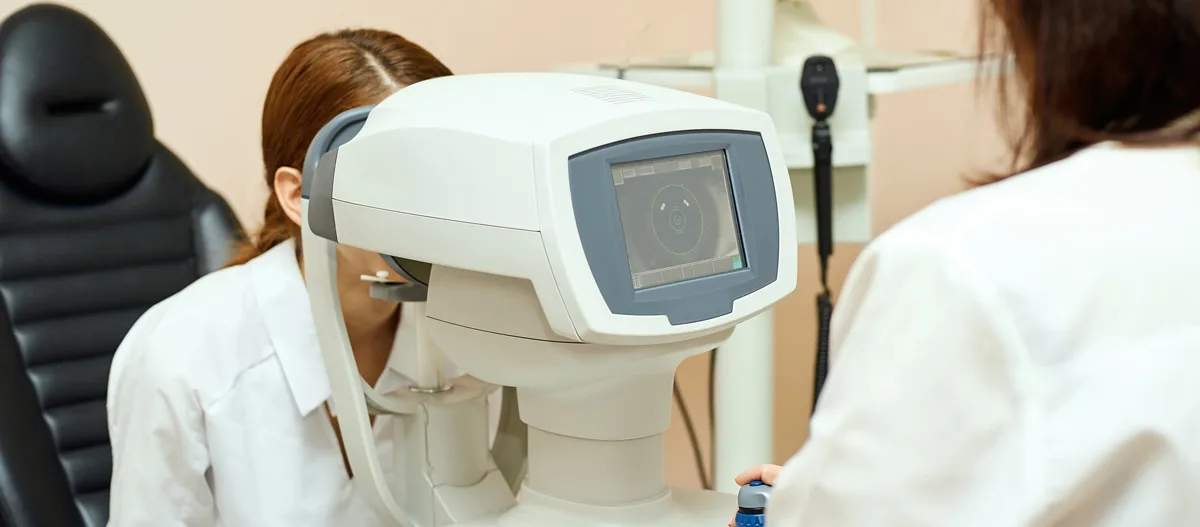
For chronic conditions like glaucoma, establishing a baseline of optic nerve health through detailed imaging is crucial. Since early-stage chronic glaucoma rarely presents obvious warning signs, proactive screening remains the primary defense against irreversible vision loss. Patients are encouraged to ask specific questions about their corneal thickness, optic nerve head structure, and the necessity of specialized testing during their clinical visits.
Frequently asked questions
Can I get glaucoma even if my intraocular pressure is normal?
Yes. According to reports, approximately 70% of glaucoma patients in South Korea develop the condition under normal intraocular pressure. Because chronic glaucoma often progresses without early symptoms, regular optic nerve examinations are necessary to detect potential damage.
How should I choose the right vision correction surgery?
You should not decide based solely on cost or reviews. A thorough pre-operative examination is required to assess your corneal thickness, refractive error, and lifestyle, followed by a detailed consultation with a specialist to address individual variations and potential side effects.
Questions to Ask During Your Eye Consultation
- What specific pre-operative tests are required to evaluate my corneal thickness and refractive error before vision correction?
- Given that normal-tension glaucoma is common, does my routine screening include a detailed examination of the optic nerve?
- What are the potential side effects and expected recovery timeline based on my individual eye structure?
- How do my daily lifestyle, visual environment, and work habits influence the choice of vision correction methods?
MediIndex articles are for general information only and are not medical advice, diagnosis, or advertising. Outcomes vary by individual — consult a board-certified specialist for personal decisions.