
Clinical Reports on Robotic Cataract Surgery and GLP-1 Receptor Agonists in Eye Care
This briefing outlines recent clinical reports on robotic cataract surgery and retrospective data linking GLP-1 receptor agonists to a lower risk of age-related macular degeneration, though long-term outcomes and direct causal relationships remain unestablished.
This article was automatically drafted and passed editorial compliance checks. It synthesizes public source metadata and is not a substitute for individual care or clinical review.
Modern ophthalmology is witnessing simultaneous advancements in both surgical technology and systemic pharmacological associations. Recent clinical updates highlight progress in robotic-assisted procedures designed to integrate into standard surgical workflows, alongside retrospective research exploring how common metabolic medications might influence the risk of chronic, vision-threatening eye conditions.
While these developments offer valuable insights into the future of eye care, patients must understand that clinical applications involve significant individual variation. Any medical intervention or medication adjustment requires a thorough evaluation of potential side effects, expected recovery timelines, and a detailed clinical consult to determine suitability.
Clinical Progress in Robotic Surgery and Medication Associations
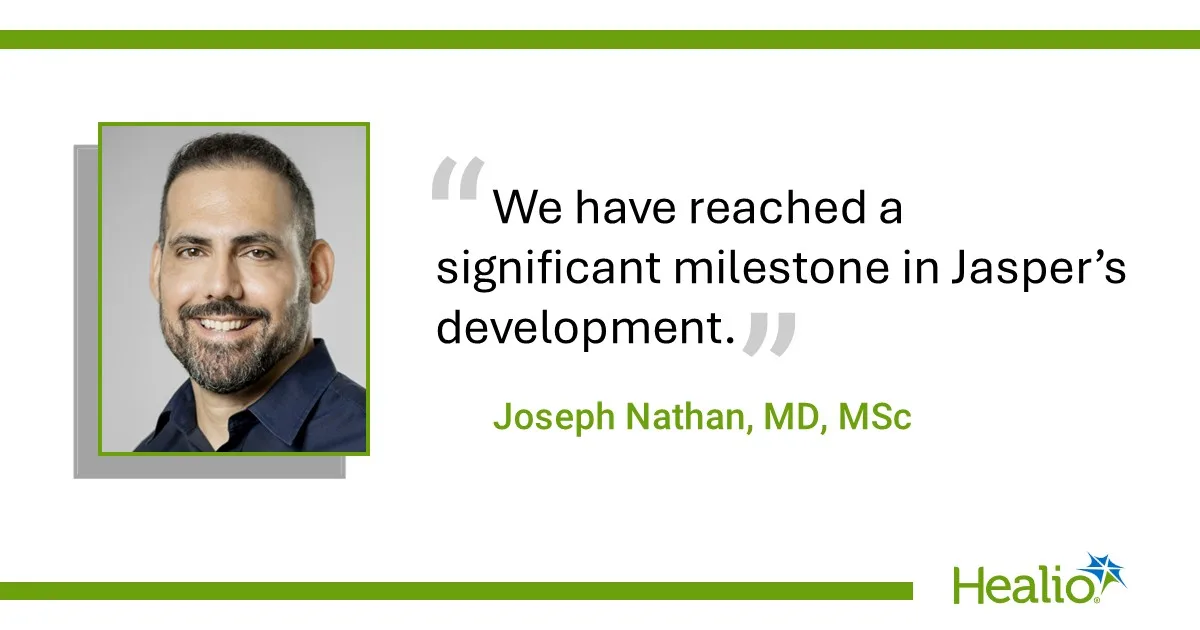
Recent clinical reports highlight the expanding use of the Jasper robotic surgical platform developed by ForSight Robotics, which has now been utilized in a total of 26 cataract procedures. The surgical team, led by investigator Robert Edward T. Ang, MD, and surgeon Alexey Rapoport, MD, completed 14 additional procedures, demonstrating that the platform allows surgeons to maintain their standard clinical workflow during delicate eye surgeries.
In a separate pharmacological development, a large retrospective study has linked the use of GLP-1 receptor agonists (GLP-1RAs) with a reduced likelihood of developing age-related macular degeneration (AMD). The study compared patients taking GLP-1RAs against those using other glucose-lowering or lipid-lowering medications, suggesting a potential protective association for patients managing metabolic conditions.
Limitations of Current Clinical Evidence
Although the initial 26 robotic cataract procedures mark a technical milestone, this sample size remains highly limited. The available data does not establish long-term safety profiles, comparative efficacy against traditional manual techniques, or specific recovery advantages, meaning that individual variation in healing and surgical outcomes must still be expected.
Similarly, the association between GLP-1 receptor agonists and reduced AMD risk is based on retrospective data, which cannot prove a direct cause-and-effect relationship. Patients should not alter their prescribed diabetes or weight management regimens solely based on these findings, as any medication change carries potential side effects that require careful medical supervision.
Navigating Treatment Decisions with Your Clinician
When considering advanced ophthalmic procedures or managing systemic health in relation to eye care, a comprehensive clinical consult is indispensable. Discussing your complete medical history, including metabolic health and current medications, helps your physician tailor a strategy that minimizes risks and addresses your specific physiological needs.
Every patient's eye structure and systemic health profile are unique, meaning that recovery paths and potential side effects will vary. Engaging in an open dialogue with a qualified specialist ensures that you receive realistic expectations regarding new technologies and pharmacological insights based on your individual health status.
Frequently asked questions
Can I choose robotic surgery for my cataract procedure to ensure a faster recovery?
While 26 procedures have been completed using the Jasper robotic platform, current data does not establish specific recovery advantages over traditional methods. Recovery timelines involve significant individual variation, so you must consult your surgeon to evaluate your suitability.
Should I switch to a GLP-1 medication to protect my eyes from macular degeneration?
A retrospective study showed a lower likelihood of AMD in patients taking GLP-1RAs, but this does not prove a direct causal relationship. You should not alter your medication without a detailed clinical consult, as changes can cause unexpected side effects.
Questions to Ask Your Ophthalmologist
- Is robotic-assisted surgery a suitable option for my specific cataract condition?
- What are the documented side effects and expected recovery timeline for my procedure?
- How might my current metabolic medications affect my long-term risk for macular degeneration?
- What individual variation factors should I consider before changing my current treatment plan?
MediIndex articles are for general information only and are not medical advice, diagnosis, or advertising. Outcomes vary by individual — consult a board-certified specialist for personal decisions.