Managing Common Pet Health Risks: Hip Joint Issues in Small Dogs and Summer Food Storage
This briefing outlines recent reports on pediatric hip joint disorders in small dogs and safe pet food storage practices during hot weather, though individual cases require professional veterinary assessment.
This article was automatically drafted and passed editorial compliance checks. It synthesizes public source metadata and is not a substitute for individual care or clinical review.
Pet health management requires close attention to both developmental conditions and daily environmental hazards. Recent veterinary news highlights two distinct areas of concern for pet owners: hip joint disorders affecting young, small-breed dogs, and the health risks associated with improper pet food storage during the hot summer months.
Understanding these issues helps owners identify early warning signs of physical discomfort and implement preventive measures at home. While developmental joint issues require clinical intervention, daily dietary safety can be managed through proper storage techniques to prevent gastrointestinal complications.
Key Developments in Pediatric Joint Health and Dietary Safety
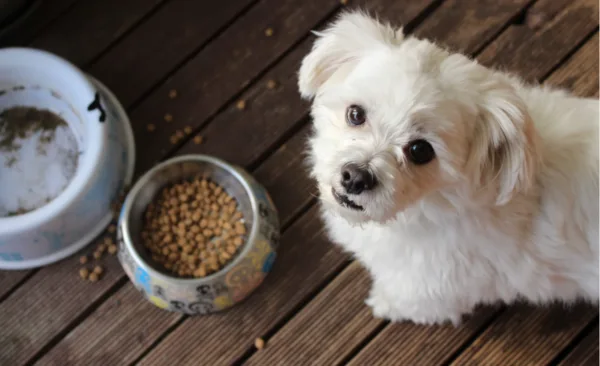
Reports indicate that young, small-breed dogs showing signs of limping or difficulty walking may be suffering from avascular necrosis of the femoral head (also known as ischemic necrosis of the femoral head). This hip joint condition affects the connection between the femur and the pelvis, making early detection and intervention highly important for the animal's mobility.
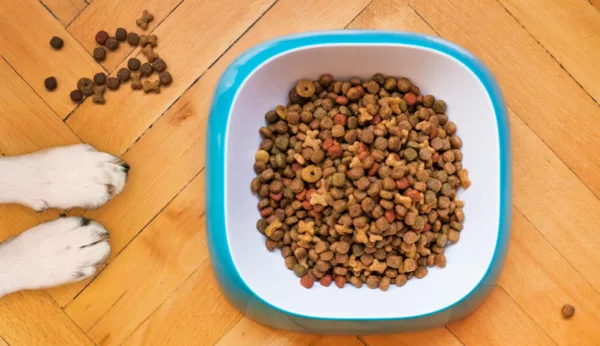
Separately, experts warn that high temperatures and humidity during summer can accelerate the rancidity of pet food. Leaving food exposed after opening increases the risk of mite and insect infestation, while consuming moldy food can lead to vomiting, diarrhea, and potential organ damage. Recommended storage practices include transferring food to airtight containers to minimize air contact and keeping it in a cool, shaded place.
Understanding Clinical Limitations and Individual Variations
While these reports highlight common risks, there is significant individual variation in how these conditions manifest in pets. For instance, limping in small dogs can stem from various causes other than avascular necrosis, such as patellar luxation or ligament issues, meaning a professional diagnosis is essential. The recovery process and potential side effects of any treatment plan will depend heavily on the specific dog's age, physical condition, and the severity of the disease.
Similarly, dietary sensitivity to slightly degraded food varies among individual pets. While some animals may show immediate gastrointestinal distress, others might experience gradual systemic issues from prolonged exposure to poorly stored food. Owners should consult a veterinarian rather than relying solely on general storage guidelines when dietary issues arise.
Navigating Veterinary Consultations for Joint and Dietary Issues
When visiting a clinic, owners should provide a detailed history of the pet's physical symptoms and daily environment. For joint concerns, noting when the limping started and whether it occurs after rest or activity helps the veterinarian determine the appropriate diagnostic imaging. Discussing the potential side effects of surgical or medical management is a crucial step in planning for a safe recovery.
For dietary and digestive concerns, sharing the pet's current food brand, storage method, and the duration since the bag was opened can assist in identifying potential food-borne illnesses. A qualified veterinarian can recommend specific dietary adjustments and diagnostic tests to rule out organ damage if spoiled food consumption is suspected.
Frequently asked questions
Why is my young small dog limping on its hind legs?
Limping in young, small-breed dogs can be caused by various hip joint conditions, including avascular necrosis of the femoral head. Because symptoms and causes vary individually, a professional veterinary examination is required to determine the exact cause and plan for recovery.
What happens if my pet eats moldy food during the summer?
Consuming moldy or spoiled pet food can lead to gastrointestinal issues such as vomiting and diarrhea, and may even cause serious organ damage. If you suspect your pet has eaten spoiled food, consult a veterinarian immediately to check for potential side effects.
Questions to Ask Your Veterinarian During a Consultation
- Could my young small-breed dog's limping be caused by avascular necrosis of the femoral head rather than a knee issue?
- What diagnostic tests are recommended to accurately identify the cause of my pet's hip joint pain?
- What are the potential side effects and expected recovery timeline for the recommended joint treatment?
- If my pet consumed potentially spoiled or moldy food, what specific symptoms or organ damage markers should we monitor?
MediIndex articles are for general information only and are not medical advice, diagnosis, or advertising. Outcomes vary by individual — consult a board-certified specialist for personal decisions.