Emerging Technologies in Skin Regeneration and Atopic Dermatitis Management
This briefing outlines recent developments in pulsed electromagnetic field applications and digital atopic dermatitis management tools, though clinical efficacy and individual outcomes remain unestablished by the source coverage.
This article was automatically drafted and passed editorial compliance checks. It synthesizes public source metadata and is not a substitute for individual care or clinical review.
Recent developments in dermatological care highlight a growing integration of advanced physical therapies and digital health solutions. Industry reports from August 2026 showcase efforts to expand the clinical applications of Pulsed Electromagnetic Fields (PEMF) into skin regeneration, alongside the introduction of artificial intelligence-driven platforms designed to assist in managing chronic skin conditions like atopic dermatitis.
These technological shifts reflect a broader trend toward non-invasive skin maintenance and structured patient monitoring. While these innovations offer new avenues for care, experts emphasize that individual patient responses can vary significantly, requiring careful clinical evaluation before adopting new treatment modalities.
Advancements in Electromagnetic Therapy and Digital Skin Management
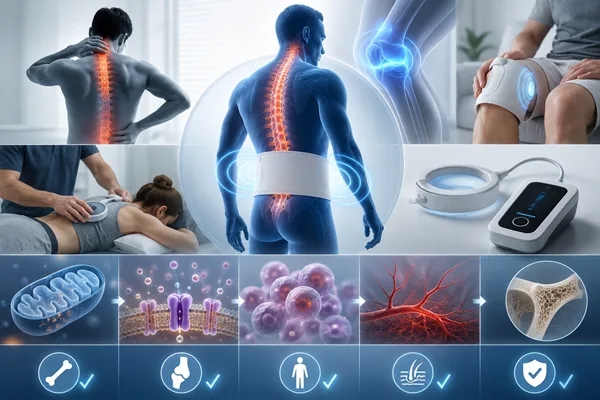
Recent industry coverage highlights the expanding role of Pulsed Electromagnetic Fields (PEMF), a technology previously FDA-approved as an auxiliary therapy for cervical fusion. Beyond its established uses in bone healing, muscle pain, and arthritis, PEMF is increasingly being explored for skin regeneration and well-aging applications. This expansion suggests a growing interest in utilizing electromagnetic stimulation to support tissue recovery and overall skin health.
Concurrently, digital health developers are introducing specialized software to assist patients with chronic skin conditions. The AI-driven service 'Derma Agent', developed under the national medical AI project 'Dr. Answer 3.0' in collaboration with multiple university hospitals, is designed to manage the prognosis of atopic dermatitis patients. This service is scheduled for public demonstration at the 13th International Hospital & HealthTech Fair (KHF 2026) in mid-August.
Understanding Clinical Limitations and Individual Variation
Although these technological developments represent promising steps in dermatological care, patients must recognize that clinical outcomes are not uniform. The effectiveness of PEMF in skin regeneration and the utility of digital prognosis tools like Derma Agent are subject to significant individual variation. Factors such as baseline skin health, age, and the severity of pre-existing conditions can influence how a patient responds to these interventions.
Furthermore, the introduction of new devices and digital monitoring systems does not eliminate the potential for side effects or the necessity of professional oversight. For instance, physical therapies must be carefully calibrated to avoid adverse skin reactions, and digital management tools should only serve as supportive measures rather than replacing direct medical diagnosis. Ensuring a safe recovery process requires continuous monitoring by qualified healthcare providers.
The Importance of Professional Medical Consultation
Before undergoing any new dermatological procedure or integrating digital monitoring tools into a treatment plan, a comprehensive consult with a qualified specialist is essential. A physician can evaluate whether a specific technology, such as PEMF, is appropriate for an individual's skin type and medical history. This personalized assessment helps mitigate risks and aligns patient expectations with realistic clinical possibilities.
Ultimately, maintaining skin health and managing chronic conditions like atopic dermatitis require a multi-faceted approach. Patients should discuss potential recovery timelines, alternative treatment options, and the scientific evidence supporting new technologies during their clinical visits. Relying on verified medical guidance ensures that technological advancements are utilized safely and effectively.
Frequently asked questions
Can pulsed electromagnetic fields (PEMF) be used for skin regeneration?
While PEMF is FDA-approved as an auxiliary therapy for cervical fusion and used for bone healing, its application is expanding to skin regeneration and well-aging. However, the exact clinical efficacy for skin tissue remains to be established on an individual basis.
What is the 'Derma Agent' service for atopic dermatitis?
It is an AI-driven atopic dermatitis prognosis management service developed under the national project 'Dr. Answer 3.0' by Acryl and several university hospitals. It is designed to help monitor patient prognosis, though it does not replace professional medical diagnosis.
Questions to Ask Your Clinician Regarding New Skin Technologies
- Is pulsed electromagnetic field (PEMF) therapy suitable for my specific skin type and condition?
- What are the potential side effects associated with electromagnetic skin treatments?
- How can digital tools like Derma Agent assist in managing my atopic dermatitis prognosis?
- What is the expected recovery timeline and follow-up care required after undergoing these procedures?
MediIndex articles are for general information only and are not medical advice, diagnosis, or advertising. Outcomes vary by individual — consult a board-certified specialist for personal decisions.