Distinguishing Skin Lesions and Joint Research on Radiation Dermatitis Treatments
This briefing outlines recent educational resources for identifying skin cancer and research initiatives for radiation-induced dermatitis, though it cannot establish clinical efficacy or individual treatment outcomes.
This article was automatically drafted and passed editorial compliance checks. It synthesizes public source metadata and is not a substitute for individual care or clinical review.
Recent developments in dermatology highlight both public education on skin lesions and clinical research into managing treatment-related skin conditions. A newly published guide aims to help individuals distinguish common benign moles from potential skin cancer, reducing unnecessary anxiety. Concurrently, research partnerships are forming to address severe skin side effects associated with cancer therapies, specifically targeting radiation-induced dermatitis.
While these advancements offer valuable information and promise for future therapies, managing skin health requires careful attention to individual variation. Patients experiencing skin changes or undergoing medical treatments that affect the skin should consult a qualified specialist to discuss recovery options and potential side effects.
Distinguishing Benign Moles from Skin Cancer
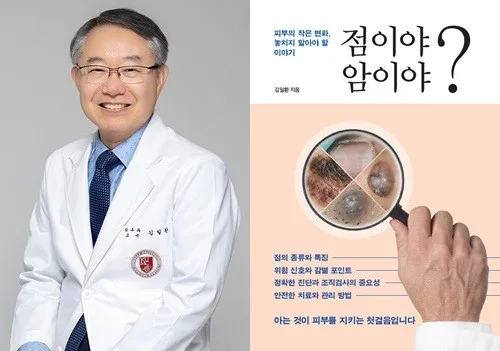
Most people have multiple moles on their body, the majority of which are benign lesions that do not pose health risks. However, distinguishing these harmless spots from skin cancer can be challenging for non-specialists, often leading to anxiety. To address this, a new educational book titled "Is it a Mole or Cancer?" has been published by Professor Kim Il-hwan of Korea University Ansan Hospital to guide the public on how to observe and evaluate their skin.
The publication serves as an accessible health guide, explaining how to monitor skin changes and when to seek professional medical evaluation. While the book provides foundational knowledge, self-assessment cannot replace a clinical diagnosis, and any suspicious or changing lesions require a formal consultation with a dermatologist.
Research on Radiation-Induced Dermatitis Treatments
Another significant development in skin care involves addressing the side effects of cancer treatments. Enzychem Lifesciences has signed a memorandum of understanding (MOU) with the Korea Institute of Radiological and Medical Sciences to co-develop a treatment for radiation-induced dermatitis. This condition is a common side effect, affecting a large majority of cancer patients undergoing radiation therapy.
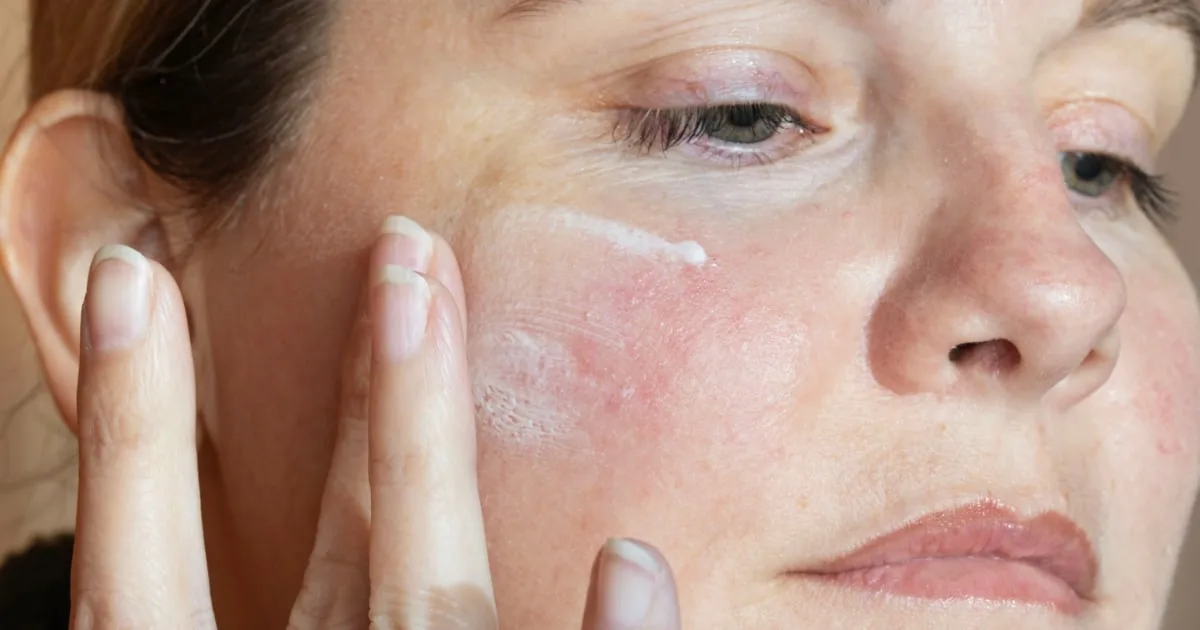
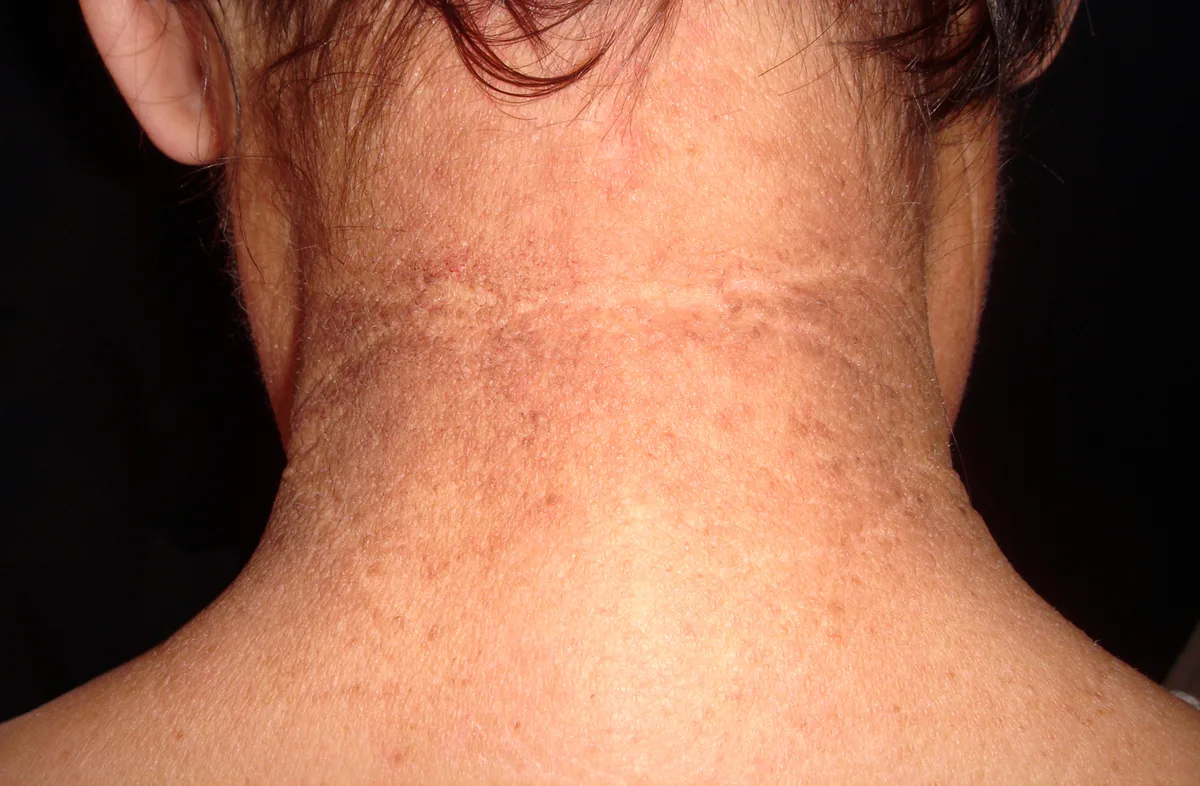
Radiation-induced dermatitis typically manifests as skin erythema, pain, and itching, which can severely impact a patient's quality of life. The joint research initiative aims to evaluate the feasibility of developing therapeutic agents, leveraging the research capabilities of both organizations to address this challenging clinical need.
Clinical Considerations and Patient Guidance
When managing skin conditions, whether evaluating a suspicious mole or dealing with treatment-induced dermatitis, individual variation plays a critical role. The severity of skin reactions to radiation and the healing process of various skin lesions can differ significantly from person to person, meaning there is no single universal outcome.
Patients are advised to monitor their skin closely and discuss any concerns with their healthcare provider. Understanding potential side effects and discussing recovery expectations during a professional consult ensures that care plans are tailored to the individual's specific health profile.
Frequently asked questions
How can I tell if a mole on my skin is actually skin cancer?
You can observe changes in your moles using educational guides like the book "Is it a Mole or Cancer?". However, because distinguishing benign lesions from cancer is difficult for non-specialists, a definitive diagnosis requires a professional consultation.
What are the symptoms of radiation-induced dermatitis, and is there a treatment?
Symptoms include skin redness (erythema), pain, and itching, which commonly affect cancer patients undergoing radiation therapy. While research is ongoing to co-develop new treatments, current management depends on individual symptoms and clinical guidance.
Questions to Ask Your Dermatologist
- What specific signs should I look for to distinguish a benign mole from potential skin cancer?
- If I am undergoing radiation therapy, what preventive measures can I take to minimize radiation-induced dermatitis?
- How does individual variation affect the recovery time for skin irritation or lesions?
- What are the potential side effects of the topical treatments recommended for my skin condition?
MediIndex articles are for general information only and are not medical advice, diagnosis, or advertising. Outcomes vary by individual — consult a board-certified specialist for personal decisions.