Recent Developments in Skin Care Materials and Clinical Skin Substitutes
This briefing outlines recent reports on cotton-based skincare products and legal charges involving skin substitute fraud, though it cannot verify the clinical efficacy of these materials or the outcome of the legal proceedings.
This article was automatically drafted and passed editorial compliance checks. It synthesizes public source metadata and is not a substitute for individual care or clinical review.

The landscape of skin care and wound management continues to evolve with new consumer products and clinical materials. Recent media coverage highlights diverse developments, ranging from the introduction of cotton-derived components in daily skincare routines to serious regulatory actions involving advanced medical skin substitutes used in wound care.
These reports underscore the importance of understanding both the consumer-facing innovations and the regulatory oversight governing clinical skin treatments. While new materials offer novel approaches to skin health, legal scrutiny reminds patients and providers of the critical need for ethical standards and medical necessity in clinical applications.
New Skincare Ingredients and Regulatory Actions in Wound Care
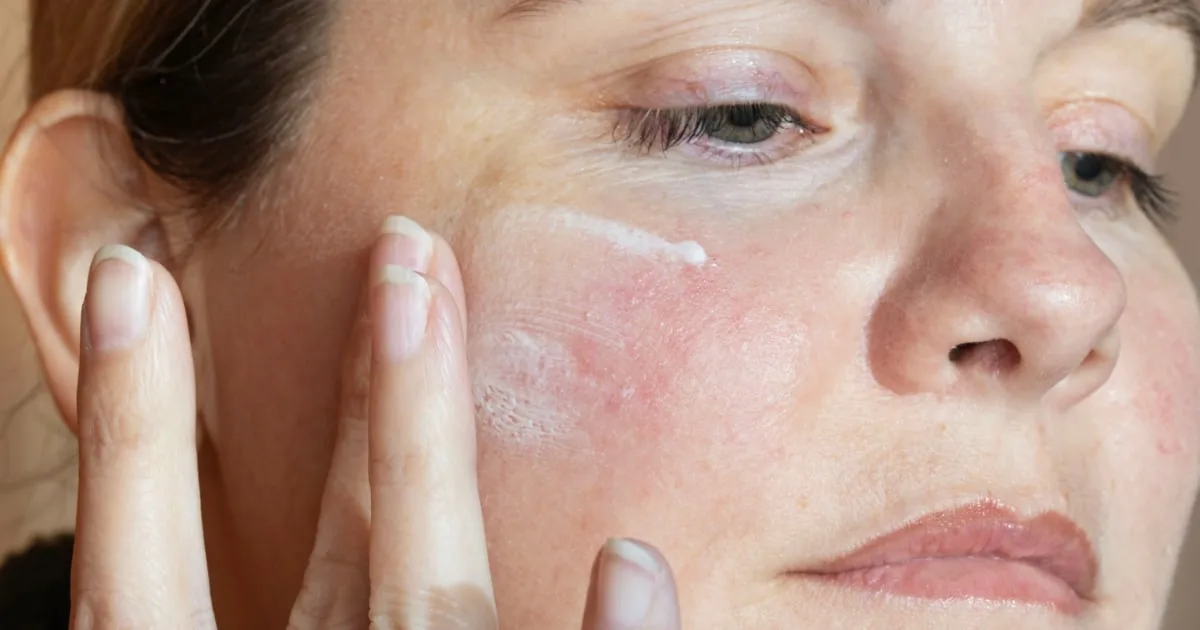
Recent reports highlight the entry of cotton into the consumer skincare conversation, specifically noting the release of new product kits utilizing this material. This development suggests an expanding interest in incorporating natural fibers and their derivatives into daily skin maintenance routines to address consumer demands for novel formulations.
Concurrently, clinical skin treatments have faced intense legal scrutiny, as the U.S. Justice Department recently charged a Nevada wound care physician in a $95 million fraud scheme. The physician is accused of applying unnecessary and highly expensive skin substitutes to elderly patients, allegedly using the illicit profits to purchase luxury assets such as yachts.
Understanding Clinical Limitations and Safety Considerations
While consumer reports introduce cotton-based skincare kits, the available source material does not provide clinical data regarding their long-term safety or dermatological benefits. Patients must recognize that individual variation plays a significant role in how the skin reacts to new topical materials, and potential side effects such as irritation or allergic responses cannot be entirely ruled out.
Similarly, the use of advanced skin substitutes in clinical wound care must be guided strictly by medical necessity rather than financial incentives. Proper application of these biological or synthetic coverings requires careful assessment of the patient's healing progress, as improper use can complicate the recovery process and fail to deliver the intended therapeutic outcomes.
The Importance of Professional Medical Consultation
Navigating both daily skincare trends and complex clinical wound treatments requires professional guidance to ensure patient safety. Before adopting new skincare regimens or agreeing to advanced tissue applications, individuals should consult a qualified dermatologist or wound care specialist to evaluate their specific skin condition and medical history.
A thorough medical consultation helps clarify whether a proposed treatment is clinically necessary and appropriate for the patient's unique physiological profile. Discussing potential risks, expected recovery timelines, and alternative therapeutic options ensures that patients make informed decisions based on sound medical evidence rather than marketing claims or unauthorized clinical practices.
Frequently asked questions
Are cotton-based skincare products safe for sensitive skin?
The current reports do not provide clinical data regarding the safety of cotton-based skincare kits. Because skin reactions involve significant individual variation, you should consult a dermatologist to evaluate potential side effects before use.
Why are skin substitutes used in clinical wound care?
Skin substitutes are advanced coverings applied to assist in wound healing. However, their use must be based strictly on medical necessity, as improper application can hinder your recovery and lead to unnecessary costs.
Questions to Ask Your Clinician About Skin Treatments
- Is the proposed skin substitute or wound covering medically necessary for my specific condition?
- What are the potential side effects or allergic reactions associated with new skincare materials like cotton?
- How will my individual skin type affect the recovery process after this treatment?
- Are there alternative, clinically proven treatments available for my wound or skin concern?
MediIndex articles are for general information only and are not medical advice, diagnosis, or advertising. Outcomes vary by individual — consult a board-certified specialist for personal decisions.