Managing Post-Summer Skin Elasticity Loss and Infantile Seborrheic Dermatitis
This briefing outlines recent media coverage on post-summer photoaging care, infantile scalp crust management, and integrated clinical services, but it cannot establish specific treatment outcomes or replace individualized medical diagnoses.
This article was automatically drafted and passed editorial compliance checks. It synthesizes public source metadata and is not a substitute for individual care or clinical review.
An increasing number of individuals are experiencing a loss of skin elasticity after exposure to strong summer UV rays and high temperatures, while interest in managing infantile seborrheic dermatitis and receiving customized skin treatments is also rising. According to recent medical news, various developments in skin health are being reported, ranging from addressing photoaging caused by outdoor vacation activities to managing pediatric skin conditions and establishing integrated cooperative care systems that link female procedures with dermatological treatments.
This trend highlights patients' growing demand for systematic care tailored to their specific skin conditions. There is a clear need for accurate information and professional diagnosis, not only for customized care to address collagen reduction and skin sagging caused by summer UV exposure, but also for common skin changes such as yellow crusts on an infant's scalp.
Post-Summer Photoaging, Infantile Seborrheic Dermatitis, and Integrated Care Trends
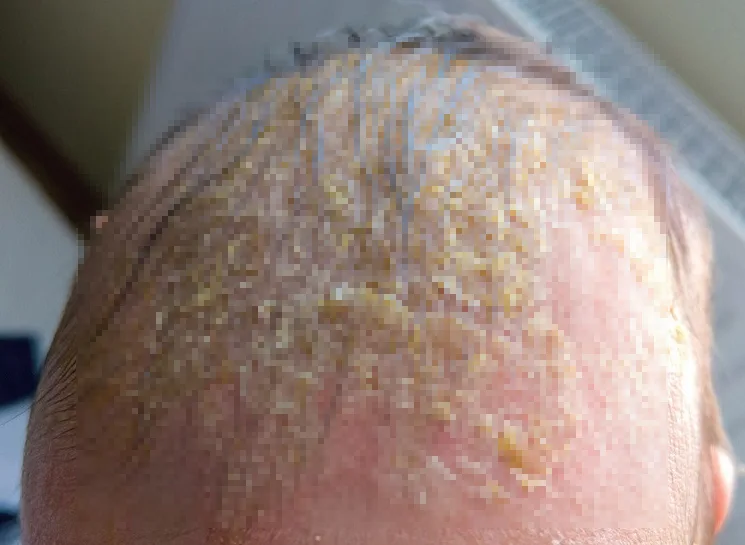
According to recent media reports, the loss of skin elasticity observed after summer vacations is primarily attributed to photoaging caused by intense UV radiation and high temperatures. Photoaging can lead to skin sagging, wrinkles, enlarged pores, and pigmentation by reducing collagen and elastin in the skin, necessitating customized care tailored to individual skin conditions. Meanwhile, "cradle cap" (infantile seborrheic dermatitis), characterized by yellow or brown greasy crusts on a newborn's scalp, is reported as a common benign condition in early infancy that typically resolves naturally.
Alongside these developments, news regarding the strengthening of cooperative medical systems to enhance patient convenience has emerged. One clinic announced the recruitment of a specialist in skin and aesthetic plastic surgery to reinforce its integrated care system linking female procedures and skin treatments. This move is analyzed as a response to the growing demand from patients, including engaged couples preparing for weddings, who seek comprehensive care in a single location rather than visiting multiple clinics.
Individual Variations and Precautions in Skin Care
When applying reported skin care and treatment trends, it is crucial to recognize that individual variation exists, as skin thickness, aging progression, and sensitivity differ for each patient. The required care method varies depending on the extent of UV damage, and inappropriate procedures or management can lead to unexpected side effects. Therefore, before deciding on any treatment, patients must undergo a detailed consult with an experienced medical professional to select a safe method tailored to their needs.
Although infantile seborrheic dermatitis generally resolves on its own, attempting to forcibly remove crusts at home or using unverified home remedies can cause secondary infections or skin damage. Furthermore, the recovery period required for the skin to return to normal after any procedure varies depending on individual regenerative capacity and post-care practices, making it essential to strictly follow the precautions and aftercare guidelines provided by medical professionals.
Medical Consultation Guide for Safe Skin Care
When visiting a medical institution for skin elasticity loss or pediatric skin conditions, patients should accurately describe their symptoms and receive a proper diagnosis. It is important to provide detailed information to the medical staff regarding specific symptoms that appeared after summer outdoor activities or the exact condition of an infant's scalp. Additionally, when utilizing integrated or cooperative care services, it is advisable to clarify how the coordination between different medical departments is managed.
During the consult with medical professionals, patients should ask about potential side effects, the expected recovery timeframe, and proper cleansing and moisturizing methods to practice at home. Establishing a customized plan tailored to each patient's unique skin characteristics is the first step toward achieving safe and satisfactory results.
Frequently asked questions
Why does my face feel less elastic and have more wrinkles after returning from a summer vacation?
Prolonged exposure to strong UV rays and high temperatures accelerates photoaging, which reduces collagen and elastin in the skin, leading to loss of elasticity and wrinkles. This requires customized care based on individual skin conditions.
My baby has yellow, greasy crusts on their head. How should I manage it?
Crusts caused by infantile seborrheic dermatitis (cradle cap) typically resolve naturally, so it is best not to remove them forcibly. Forcing them off can cause skin damage or secondary infections, so you should consult on proper cleansing methods.
Consultation Checklist for Skin Diagnosis and Treatment Decisions
- What customized care method is suitable for my skin condition to improve the loss of elasticity after summer UV exposure?
- Is the yellow crust on my baby's scalp indeed infantile seborrheic dermatitis, and what is the safe way to cleanse it at home?
- What is the expected recovery period and what are the potential side effects if I proceed with the proposed skin treatment?
- When receiving both female procedures and skin treatments, how is the cooperative care between the two departments coordinated?
MediIndex articles are for general information only and are not medical advice, diagnosis, or advertising. Outcomes vary by individual — consult a board-certified specialist for personal decisions.