New Options in Skin Lifting from Home Care Cosmetics to Minimally Invasive Devices
This briefing synthesizes recent product launches and device introductions in the skin lifting market, though it cannot establish their long-term comparative efficacy or safety profiles.
This article was automatically drafted and passed editorial compliance checks. It synthesizes public source metadata and is not a substitute for individual care or clinical review.
The skin lifting market continues to diversify, offering consumers and patients a wider spectrum of choices ranging from daily home care cosmetics to minimally invasive clinical procedures. Recent industry updates highlight the launch of high-functional skincare lines utilizing advanced anti-aging ingredients, alongside the clinical introduction of energy-based devices designed for targeted tissue contraction.
These developments reflect a growing consumer demand for tailored skin elasticity management. While cosmetic products focus on gradual skin longevity care through active ingredients, clinical devices aim for more direct structural remodeling, highlighting the importance of understanding the distinct mechanisms and recovery requirements of each approach.
Recent Trends in Home Care and Clinical Devices
Recent reports highlight new entries in both cosmetic and clinical lifting sectors. In the cosmetic field, Missha has expanded its high-functional skincare lineup by launching the "PDRN NAD+ Lifting Band & Gel Mask," completing a total skin longevity routine that includes peeling, serum, cream, and mask products designed to manage the face line.
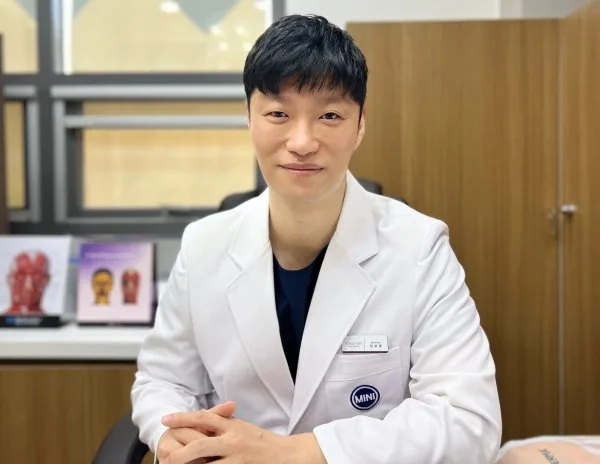
Meanwhile, in the clinical sector, Yonsei Mini Plastic Surgery in Sejong City has introduced "Renuvion," a lifting device that combines helium plasma and radiofrequency (RF) energy. This device acts directly on subcutaneous tissue and fibrous septae to induce immediate tissue contraction and remodeling, offering a targeted option for those seeking mini-facelifts.
Limitations and Clinical Considerations
While these advancements offer diverse options, patients must recognize that cosmetic products and medical devices operate on entirely different levels of tissue penetration. Skincare masks and serums support surface-level elasticity and skin condition, but they cannot replicate the structural tissue contraction achieved by clinical procedures. Conversely, energy-based device procedures involve physical micro-incisions of 3 to 4 mm, which require proper post-treatment care.
Furthermore, clinical outcomes and recovery times are subject to significant individual variation. Potential side effects such as swelling, bruising, or infection can occur with invasive procedures, making it essential to consult a qualified medical professional. Patients should carefully evaluate their skin condition and lifestyle before choosing between home care maintenance and clinical interventions.
Tailored Selection Through Medical Consultation
Choosing the right lifting method requires a thorough assessment of the patient's anatomical features and skin laxity. A qualified clinician can evaluate whether non-invasive home care is sufficient for preventive aging care or if a minimally invasive procedure like helium plasma and RF lifting is necessary to address deeper structural sagging.
During a clinical consultation, patients should discuss the specific details of the proposed procedure, including the depth of energy delivery, the necessity of micro-incisions, and the expected recovery timeline. Understanding these factors helps manage expectations and ensures a safer treatment pathway tailored to individual skin characteristics.
Frequently asked questions
Can PDRN and NAD+ cosmetics replace clinical lifting procedures?
No, cosmetic products like masks and serums are designed for surface-level skin condition and gradual longevity care. They cannot achieve the immediate, deep structural tissue contraction and remodeling provided by clinical devices like Renuvion. Patients should consult a professional to determine the most appropriate approach for their specific skin laxity.
What is the Renuvion lifting procedure and how is it performed?
Renuvion is a clinical device that combines helium plasma and radiofrequency (RF) energy to act directly on subcutaneous tissue and fibrous septae. The procedure is performed by making micro-incisions of 3 to 4 mm in the target area to induce immediate tissue contraction. Because it is a minimally invasive procedure, individual variation in recovery and potential side effects should be discussed with a doctor.
Questions to Ask Your Clinician Before a Lifting Procedure
- Is my skin laxity better suited for topical home care or a minimally invasive energy-based procedure?
- What are the potential side effects and expected recovery time associated with a 3-4mm micro-incision procedure?
- How does the combination of helium plasma and RF energy differ from other lifting modalities in terms of tissue contraction?
- What kind of individual variation should I expect regarding the onset and duration of the lifting effects?
MediIndex articles are for general information only and are not medical advice, diagnosis, or advertising. Outcomes vary by individual — consult a board-certified specialist for personal decisions.