Breast Cancer Resistance Research and Tissue-Preserving Breast Surgery Developments
This briefing outlines recent research on targeting surrounding fat cells to overcome breast cancer drug resistance and surgical approaches aimed at preserving breast tissue, though long-term clinical outcomes and individual suitability remain to be determined.
This article was automatically drafted and passed editorial compliance checks. It synthesizes public source metadata and is not a substitute for individual care or clinical review.

Recent developments in breast health and surgery highlight a shift toward understanding and preserving the surrounding tissue environment. In breast cancer treatment, researchers are exploring ways to overcome chemotherapy resistance by targeting the microenvironment, specifically the fat cells surrounding the tumor, rather than focusing solely on the cancer cells themselves.
Concurrently, in the field of aesthetic breast surgery, there is an increasing focus on techniques designed to minimize tissue damage. Methods such as tissue-preserving surgeries aim to protect blood vessels, nerves, and breast tissue to assist patients who require a manageable recovery period, though individual variation in healing must always be considered.
New Approaches in Breast Cancer Resistance and Tissue Preservation
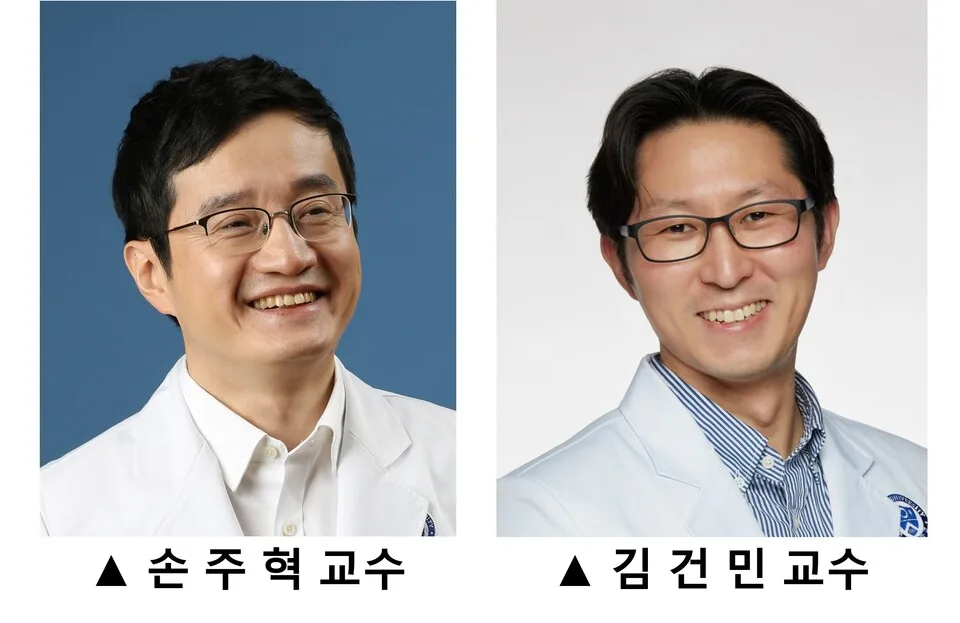
Academic researchers have identified a potential pathway to address breast cancer drug resistance by targeting the mitochondrial protein TRAP1 in surrounding adipocytes (fat cells). A joint study by the National Cancer Center and UNIST demonstrated that inhibiting this protein can reduce tumor growth and enhance the efficacy of existing chemotherapies, shifting the focus toward the tumor microenvironment.
In clinical aesthetics, the "Motiva Preserve" technique is being utilized to address the needs of patients seeking shorter recovery times, such as working professionals. This surgical method focuses on preserving essential breast structures, including blood vessels and nerves, during implant insertion to minimize overall tissue trauma and manage post-operative scars.
Clinical Limitations and Patient Considerations
While the research on TRAP1 inhibition presents a promising strategy for overcoming chemotherapy resistance, these findings are based on laboratory studies and require extensive clinical trials before becoming standard treatment. Patients must understand that laboratory success does not immediately translate to clinical outcomes, and standard oncology protocols should be followed under expert guidance.
Similarly, tissue-preserving breast surgeries like Motiva Preserve are subject to individual variation. Surgical outcomes, healing rates, and potential side effects depend heavily on a patient's unique anatomy, health status, and adherence to post-operative care, meaning that a thorough consult with a qualified surgeon is necessary to evaluate suitability.
Navigating Treatment and Surgical Options Safely
When exploring advanced breast cancer therapies or aesthetic procedures, patients should prioritize evidence-based information over marketing claims. Discussing the specific mechanisms of a proposed treatment, whether it involves targeting the tumor microenvironment or utilizing specialized surgical techniques, helps establish realistic expectations regarding recovery and potential risks.
Ultimately, safeguarding breast health requires personalized medical advice. Patients are encouraged to consult with certified specialists to discuss their medical history, understand the recovery timeline, and identify any potential side effects associated with their chosen path, ensuring a safe and informed healthcare journey.
Frequently asked questions
Why does breast cancer research target surrounding fat cells instead of just cancer cells?
According to research by the National Cancer Center and UNIST, inhibiting the mitochondrial protein 'TRAP1' in surrounding fat cells can suppress tumor growth and improve resistance to existing chemotherapy. However, these findings are currently in the research phase and require further clinical validation before being applied to patient care.
How does the Motiva Preserve breast surgery differ from conventional methods?
This technique focuses on preserving essential breast structures, such as tissue, blood vessels, and nerves, during implant insertion to minimize tissue damage and support a manageable recovery. However, individual variation exists in surgical outcomes and healing times, making a professional consultation essential.
Questions to Ask Your Doctor During a Breast Consultation
- What are the potential side effects and risks associated with this specific breast surgery technique?
- How does my individual anatomy affect the expected recovery timeline and surgical outcome?
- Are there any clinical trials or established therapies targeting the tumor microenvironment suitable for my breast cancer diagnosis?
- What post-operative care steps must I follow to minimize scarring and support proper healing?
MediIndex articles are for general information only and are not medical advice, diagnosis, or advertising. Outcomes vary by individual — consult a board-certified specialist for personal decisions.