
Breast Cancer Treatment Research, Dietary Habits, and Implant Selection Criteria
This briefing outlines recent clinical findings on triple-negative breast cancer therapies, dietary risks of fruit juice, and considerations for breast implants, though it cannot provide personalized medical diagnoses or treatment outcomes.
This article was automatically drafted and passed editorial compliance checks. It synthesizes public source metadata and is not a substitute for individual care or clinical review.
Recent medical developments in breast health highlight both therapeutic advancements and daily lifestyle factors. Clinical research has introduced new evidence for treating aggressive forms of breast cancer, while dietary studies emphasize how everyday choices, such as how we consume fruit, can influence cancer risks. Additionally, surgical techniques continue to evolve, with single-port robotic surgeries expanding their reach to breast procedures.
In the field of breast reconstruction and aesthetic surgery, the focus is shifting toward highly customized approaches. Rather than relying on a single popular implant type, clinicians emphasize selecting materials based on individual anatomical characteristics. Patients are encouraged to consult qualified professionals regarding physical traits, potential side effects, and recovery timelines.
Advancements in Triple-Negative Breast Cancer Therapy
A multi-center Phase 3 clinical trial in South Korea has provided new evidence for the treatment of non-metastatic stage 2 to 3 triple-negative breast cancer. The study, conducted across 22 domestic medical institutions and published in the Annals of Oncology, demonstrated that adding the platinum-based chemotherapy drug carboplatin to standard chemotherapy regimens significantly improves survival rates and reduces the risk of recurrence.
This finding helps resolve ongoing clinical debates regarding the efficacy of carboplatin combination therapy for triple-negative breast cancer. While these results offer a stronger standard of care, patients must consult with their oncologists to evaluate potential side effects and determine if this specific drug combination is suitable for their individual health status.
Dietary Habits and Surgical Innovation in Breast Care
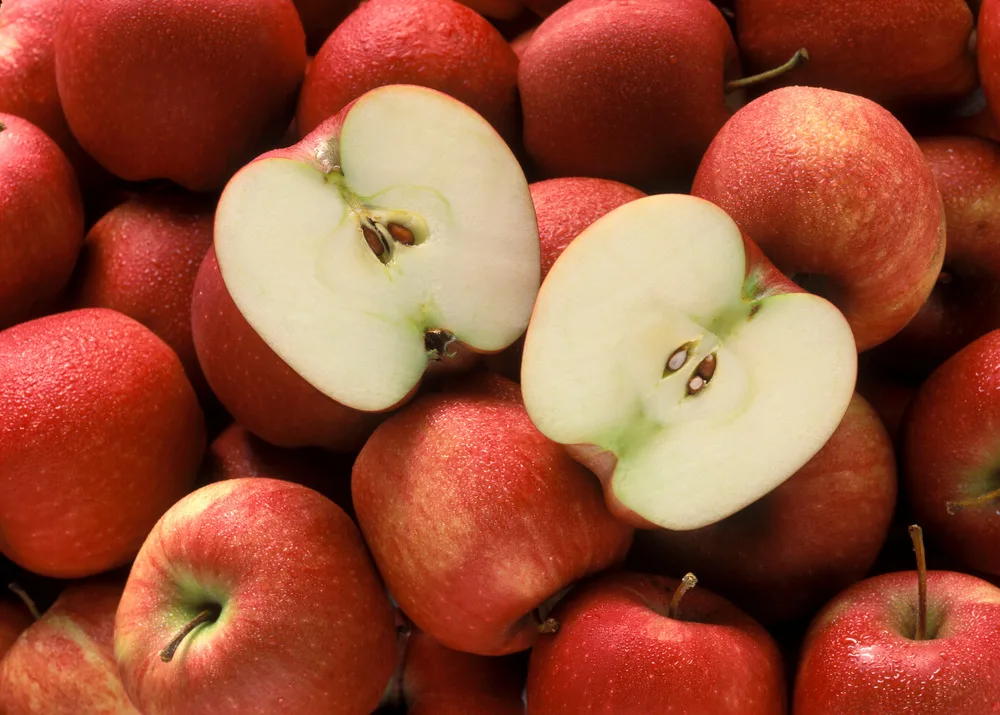
Beyond clinical treatments, daily dietary habits play a critical role in breast cancer prevention. While consuming flavonoid-rich foods like whole apples, oranges, and tea is associated with a lower risk of breast cancer, drinking processed fruit juices can have the opposite effect. Consuming fruit in liquid form eliminates the beneficial fiber and leads to rapid sugar absorption without chewing, which research suggests correlates with increased breast cancer risk.
Meanwhile, surgical innovations continue to minimize patient burden during necessary procedures. For instance, single-port robotic surgery, which utilizes a single incision, is increasingly applied to breast cancer surgeries alongside other complex procedures. This approach aims to reduce physical trauma, though individual variation in anatomy determines whether a patient is a suitable candidate for robotic intervention.
Selecting Breast Implants Based on Individual Anatomy
In aesthetic and reconstructive breast surgery, selecting the right implant is a highly individualized process. Popular options such as Motiva and Mentor each possess distinct physical characteristics, but clinical experts emphasize that there is no universally superior choice. Instead, the selection must be tailored to the patient's unique physical dimensions, including rib cage size, skin thickness, and the amount of existing breast tissue.
A successful surgical plan also accounts for the patient's lifestyle and desired aesthetic goals, such as natural movement and tactile feel. To ensure a safe recovery and minimize long-term side effects, patients should consult a qualified plastic surgeon. This discussion should cover the surgical design, potential complications, and the expected healing timeline.
Frequently asked questions
Does drinking fruit juice increase the risk of breast cancer?
Research suggests a correlation between sweet beverages like fruit juice and an increased risk of breast cancer. Unlike eating whole fruits, drinking juice leads to rapid sugar absorption without the benefits of fiber, though individual dietary patterns and overall health also play significant roles.
How do I choose between Motiva and Mentor breast implants?
There is no single best implant; the choice depends on your unique anatomy, including rib cage size, skin thickness, and existing breast tissue. A detailed consultation with a plastic surgeon is necessary to determine which implant fits your body type and lifestyle.
What is the benefit of adding carboplatin to triple-negative breast cancer treatment?
A large-scale Korean clinical trial showed that adding carboplatin to standard chemotherapy for stage 2 to 3 non-metastatic triple-negative breast cancer significantly reduces recurrence risk and improves survival rates. However, its suitability depends on individual health factors and must be discussed with an oncologist.
Questions to Ask Your Doctor During a Breast Consultation
- Is single-port robotic surgery a viable option for my specific breast condition?
- How do my rib cage size and skin thickness affect the choice between different breast implants?
- What are the potential side effects and expected recovery timeline for my proposed surgical plan?
- If undergoing chemotherapy for triple-negative breast cancer, is carboplatin combination therapy recommended for my stage?
MediIndex articles are for general information only and are not medical advice, diagnosis, or advertising. Outcomes vary by individual — consult a board-certified specialist for personal decisions.