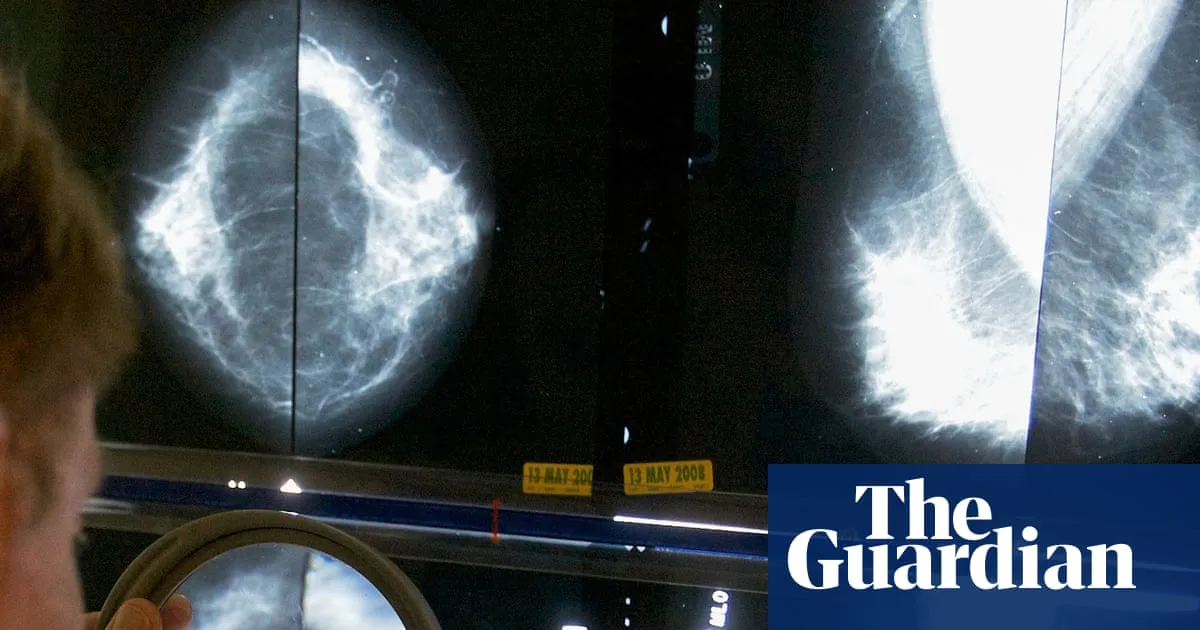
Breast Cancer Screening Shifts Toward Risk-Based Protocols
Recent reports highlight a shift toward risk-based breast screening protocols and identify a mitochondrial gene associated with triple-negative breast cancer metastasis, though clinical applications remain subject to further validation.
This article was automatically drafted and passed editorial compliance checks. It synthesizes public source metadata and is not a substitute for individual care or clinical review.
Global discussions around breast health are evolving with new insights into personalized screening strategies and the molecular mechanisms of aggressive cancer types. Recent updates from international sources highlight a transition from age-based screening to risk-tailored approaches, alongside laboratory findings regarding triple-negative breast cancer (TNBC) metastasis.
These developments emphasize the importance of understanding individual risk factors, such as breast density and family history, while exploring genetic drivers of treatment-resistant cancers. Patients navigating breast health decisions should discuss these emerging concepts with their healthcare providers to understand how new screening paradigms or research findings might relate to their personal care plans.
Shift to Risk-Based Screening and Genetic Research
Recent reports indicate a significant shift in how breast cancer screening is approached, particularly highlighted by updates from Australia. Rather than relying primarily on age-based guidelines, there is a growing movement toward tailoring screening protocols based on individual risk factors, including having dense breasts or a family history of breast cancer.
Concurrently, scientific research is focusing on the molecular drivers of aggressive breast cancers. Investigators have identified that the mitochondrial gene RTN4IP1 plays a role in driving metastasis in triple-negative breast cancer, a subtype that accounts for approximately 15% of all breast cancer cases and is known for its lack of estrogen, progesterone, and HER2 receptors.
Limitations and Clinical Context
While these findings offer valuable insights, they also highlight clear limitations in immediate clinical application. Transitioning to a risk-based screening model requires careful planning, as individual variation in breast density and genetic risk must be thoroughly assessed by qualified professionals. Patients must understand that screening changes do not ensure immediate prevention, and any diagnostic procedure carries potential side effects or limitations that require careful evaluation.
Furthermore, the discovery of the RTN4IP1 gene's role in triple-negative breast cancer metastasis is an early-stage laboratory finding. Because TNBC is insensitive to conventional endocrine and targeted therapies, finding new pathways is crucial, but this research does not yet translate into an immediate therapeutic solution or standard treatment. Patients undergoing breast procedures or cancer therapies must focus on established recovery protocols and consult their medical team before altering any treatment plans.
Navigating Breast Health Decisions
Navigating breast health, whether for routine screening or addressing specific diagnoses, requires a personalized approach. Because individual variation plays a major role in how breast tissue responds to different screening modalities, a one-size-fits-all approach is increasingly viewed as insufficient. Discussing family history and breast density with a doctor helps determine the most appropriate screening frequency and method.
For those undergoing breast procedures, understanding the recovery process and potential side effects is essential for long-term health. Patients should consult qualified clinicians to discuss how new research might influence future options, while relying on currently approved, evidence-based methods for their immediate care and monitoring.
Frequently asked questions
Why is triple-negative breast cancer difficult to treat with conventional therapies?
Triple-negative breast cancer lacks estrogen receptor, progesterone receptor, and HER2 expression. This specific receptor profile makes the cancer insensitive to conventional endocrine and targeted therapies.
How is breast cancer screening changing according to recent reviews?
Screening guidelines are shifting away from being based largely on age. Instead, there is a move toward tailoring screening protocols based on individual risk factors, such as breast density and family history.
Questions to Discuss with Your Clinician
- How does my breast density affect my recommended screening schedule?
- What screening methods are most appropriate given my family history of breast cancer?
- What are the potential side effects and limitations of the proposed diagnostic tests?
- How do the latest research findings on triple-negative breast cancer relate to current treatment options?
- What should I expect regarding recovery and monitoring after a breast procedure?
MediIndex articles are for general information only and are not medical advice, diagnosis, or advertising. Outcomes vary by individual — consult a board-certified specialist for personal decisions.