
Recent Research on Breast Cancer Therapies Involving Tamoxifen and Carboplatin
This briefing outlines recent clinical and laboratory findings regarding breast cancer treatments, though it cannot establish specific treatment outcomes or individual therapeutic success rates.
This article was automatically drafted and passed editorial compliance checks. It synthesizes public source metadata and is not a substitute for individual care or clinical review.
Recent medical research highlights new approaches to understanding and treating different types of breast cancer. Studies published in August 2026 focus on how specific cellular environments and chemotherapy combinations might influence long-term treatment outcomes for patients.
These developments span laboratory research on the tumor microenvironment and clinical trials evaluating chemotherapy additions. While these findings offer valuable insights into breast cancer management, patient care requires careful evaluation of individual health profiles and potential treatment risks.
New Insights into Breast Cancer Treatment Approaches
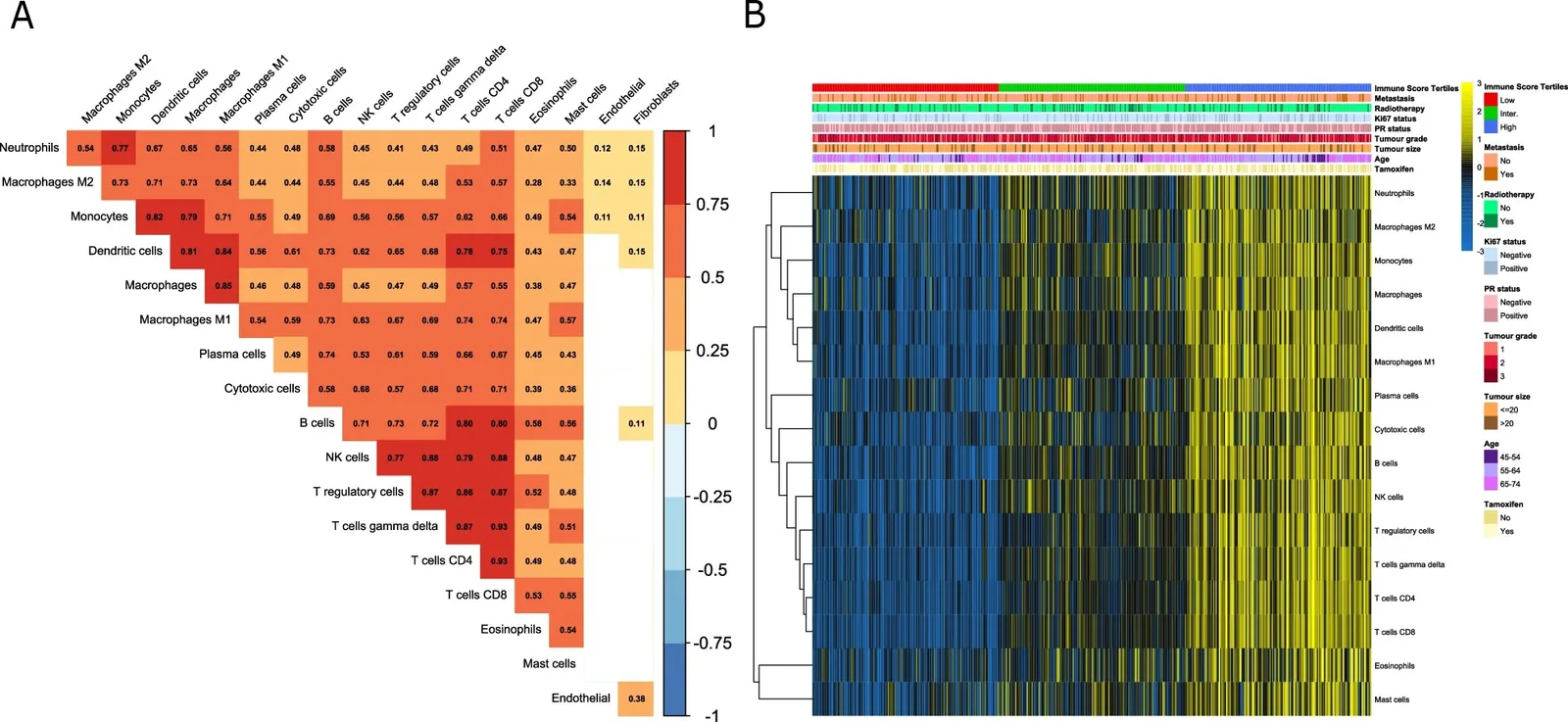
A study from the Karolinska Institutet, published in BMC Medicine in August 2026, suggests that the specific types of cells within a breast tumor's microenvironment may influence the long-term effectiveness of the hormone therapy tamoxifen. This research aims to clarify why certain patients experience greater benefits from this hormone treatment than others, pointing to the role of the surrounding cellular environment.
Concurrently, a Korean phase 3 clinical trial led by Professors Sohn Joo-hyuk and Kim Gun-min has provided clinical evidence regarding chemotherapy for nonmetastatic triple-negative breast cancer. The trial supports adding carboplatin to standard chemotherapy regimens, offering a potential pathway for optimizing treatment protocols for this specific breast cancer subtype.
Understanding the Limitations and Clinical Context
While these studies present promising directions, they do not promise specific clinical outcomes for all patients. The research on tamoxifen and the tumor microenvironment is focused on understanding mechanisms rather than providing an immediate clinical tool, and individual variation plays a significant role in how patients respond to hormone therapies.
Similarly, incorporating carboplatin into chemotherapy regimens involves careful consideration of potential side effects and the overall recovery process. Patients undergoing intensive chemotherapy must be monitored closely, as treatment tolerance and recovery times vary widely based on individual health factors.
Navigating Treatment Options with Medical Professionals
Decisions regarding breast cancer treatment, whether involving hormone therapy or chemotherapy, require patients to consult a qualified oncologist. Discussing the specific characteristics of a tumor, including its microenvironment or subtype, can help clarify which therapeutic pathways are most appropriate for an individual's diagnosis.
Patients are encouraged to ask detailed questions about the expected benefits, potential side effects, and recovery expectations of any proposed regimen. Understanding these factors helps patients make informed decisions alongside their medical team, ensuring that treatment plans are tailored to their unique health profiles.
Frequently asked questions
How does the tumor microenvironment affect tamoxifen treatment?
According to a study from the Karolinska Institutet published in BMC Medicine, the specific types of cells in a breast tumor's microenvironment may influence how well tamoxifen works over the long term. However, this research focuses on understanding these cellular mechanisms, and individual variation means outcomes can differ for each patient.
Is carboplatin recommended for early triple-negative breast cancer?
A Korean phase 3 clinical trial supports adding carboplatin to standard chemotherapy for nonmetastatic triple-negative breast cancer. Patients should consult their oncologist to evaluate if this combination is suitable, considering potential side effects and individual recovery profiles.
Questions to Discuss When You Consult Your Oncologist
- How does the microenvironment of my tumor affect my suitability for long-term tamoxifen therapy?
- Would the addition of carboplatin to my chemotherapy regimen be appropriate for my specific breast cancer subtype?
- What are the potential side effects and recovery challenges associated with these treatment options?
- How does individual variation affect the expected outcomes of hormone or chemotherapy treatments?
MediIndex articles are for general information only and are not medical advice, diagnosis, or advertising. Outcomes vary by individual — consult a board-certified specialist for personal decisions.