
How Interactions with Companion and Therapy Animals Support Human Health and Well-Being
Recent reports highlight the positive impact of therapy animals on stroke rehabilitation and the deep emotional bonds formed with companion animals, though individual experiences and therapeutic outcomes vary.
This article was automatically drafted and passed editorial compliance checks. It synthesizes public source metadata and is not a substitute for individual care or clinical review.
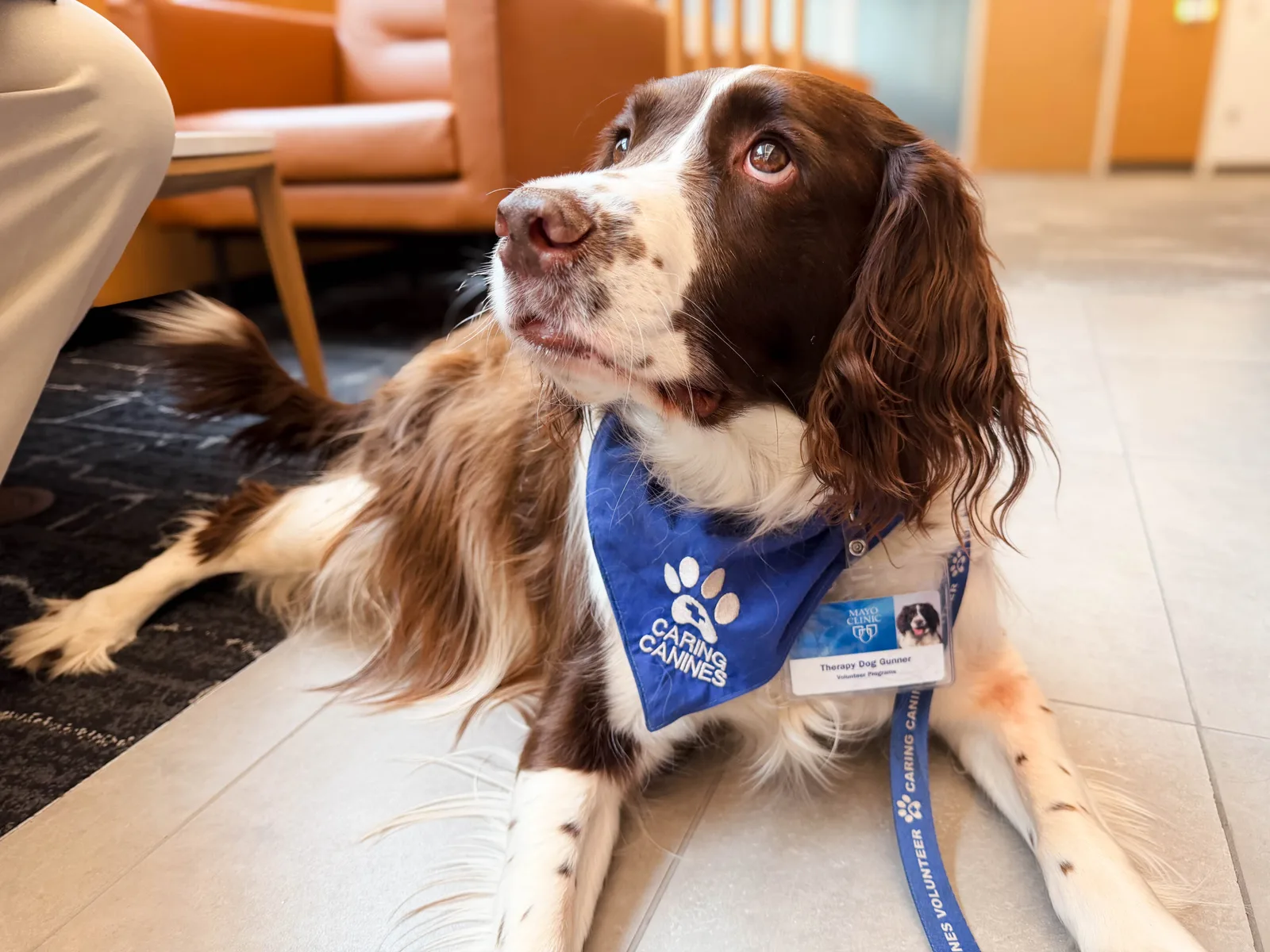
The relationship between humans and animals extends far beyond simple companionship, increasingly intersecting with clinical rehabilitation and emotional support. Recent publications highlight how structured interactions with therapy animals can encourage physical activity, while personal accounts continue to underscore the profound, lasting impact that companion animals have on their owners' lives and local communities.
While these developments emphasize the diverse benefits of the human-animal bond, integrating animals into therapeutic settings or daily routines requires careful planning. Understanding the limits of animal-assisted interventions and the responsibilities of pet ownership is essential for fostering safe and mutually beneficial outcomes for both humans and animals.
Clinical Rehabilitation and Personal Bonds with Animals
A study published in Mayo Clinic Proceedings examined the role of animal-assisted treatment in inpatient stroke rehabilitation. The researchers observed that patients who interacted with therapy animals demonstrated greater engagement in their prescribed treatments, alongside increased physical activity and improved mobility compared to those who did not participate in animal-assisted sessions.
Alongside clinical findings, personal narratives illustrate the enduring emotional connections people form with their pets. A retrospective account of a unique companion cat named Karl, who accompanied his owner through college life, highlights how deeply a pet's presence and distinct personality can influence an owner's emotional journey and leave a lasting legacy within a community even after their passing.
Understanding Limitations and Individual Variation
Although the reported benefits of animal-assisted therapy are promising, it is important to recognize that therapeutic outcomes are subject to significant individual variation. Not every patient undergoing stroke rehabilitation or physical therapy will experience the same level of engagement or mobility improvement, as personal comfort levels with animals and the severity of the medical condition play critical roles.
Furthermore, introducing animals into clinical or domestic environments carries potential risks, such as allergies, zoonotic infections, or unexpected behavioral reactions from the animal. Managing these factors is crucial to prevent adverse side effects and ensure that the recovery process remains safe and structured for vulnerable patients.
Professional Guidance for Animal-Assisted Interventions
Before incorporating therapy animals into a patient's rehabilitation plan, families should consult with qualified healthcare providers and veterinary professionals. This collaborative approach helps determine whether animal-assisted treatment is appropriate for the patient's specific recovery goals and ensures that the therapy animals are healthy, well-trained, and suitable for clinical environments.
Similarly, individuals considering adopting a companion animal for emotional support should evaluate their ability to provide long-term care, including addressing potential pet health issues like cancer or age-related decline. Consulting a veterinarian ensures that owners are prepared for the physical and financial responsibilities of pet ownership, fostering a safe and mutually supportive bond.
Frequently asked questions
Can interacting with therapy animals help stroke patients recover their mobility?
According to a study in Mayo Clinic Proceedings, stroke rehabilitation patients who interacted with therapy animals showed greater physical activity and mobility. However, individual results may vary depending on the patient's condition and comfort level with animals.
What should I consider before starting animal-assisted therapy for a patient?
It is essential to consult with healthcare professionals to assess potential side effects like allergies or infections. You should also evaluate the patient's personal comfort with animals and ensure the therapy animal is properly trained and healthy.
Questions to Ask Your Clinician or Veterinarian
- Is animal-assisted therapy a suitable option for my specific rehabilitation and recovery plan?
- What measures are in place to prevent potential side effects, such as allergies or infections, during therapy sessions?
- How do individual variations in patient comfort with animals affect the overall success of the treatment?
- What health and behavioral standards must a therapy animal meet before participating in clinical rehabilitation?
MediIndex articles are for general information only and are not medical advice, diagnosis, or advertising. Outcomes vary by individual — consult a board-certified specialist for personal decisions.